





























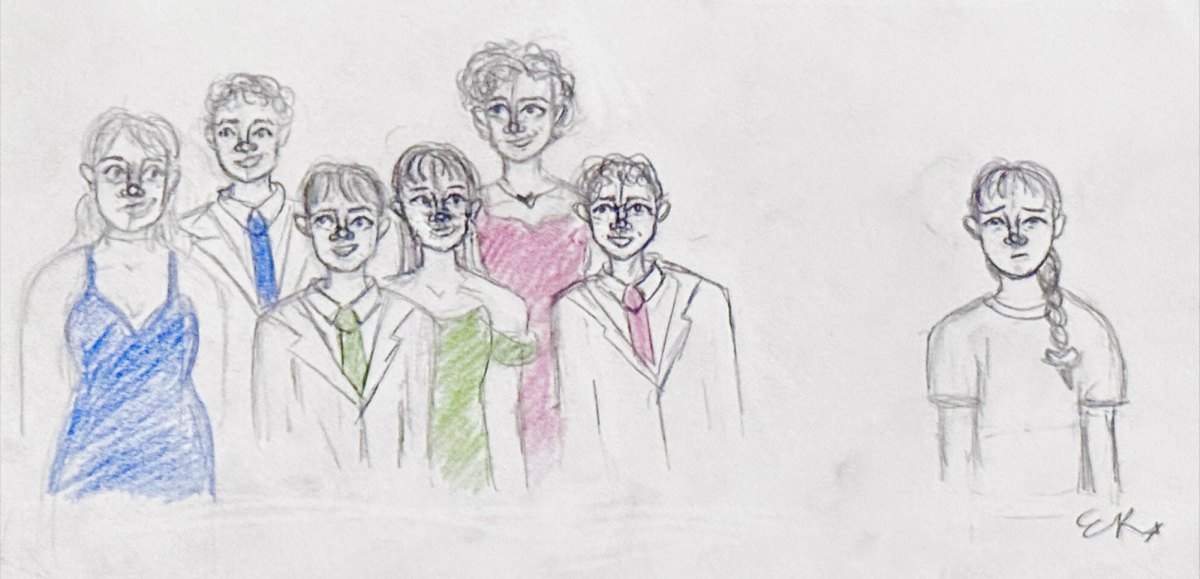
He and she grew up just minutes apart. They had their differences, but they shared so much more— fields, friends and countless memories of laughter, rivalry and pride. There was an unspoken bond between them, formed through shared experiences and mutual support. Yet every fall, for one night, that bond dwindles. Hockaday and St. Mark’s have spent more than a century growing together, performing on the same stages, cheering at each other’s games and celebrating traditions that have shaped both communities. By every practical measure, we’re partners. Yet when it comes to one of the biggest student traditions of the year, the St. Mark’s homecoming dance, that sense of partnership doesn’t extend.
Hockaday students can only attend the homecoming dance if they are invited by a St Mark’s student. Of course, homecoming is a St. Mark’s event, and as hosts, they have the right to decide how it’s run. However, the date requirement makes homecoming an event that excludes many students from both schools. Not only does the rule restrict access for dozens of Hockaday students, it also overlooks the diversity of both communities, from religion to sexuality to social networks. Both Hockaday and St. Mark’s teach respect and courtesy, but this policy sends the opposite message, limiting participation and failing to consider all students equitably.
Beyond exclusion, the rule creates social tension and power dynamics that complicate relationships. Students face pressure to secure a date to attend, worry about leaving friends behind or navigate difficult choices just to participate. Hockaday film students recently documented how some girls felt pressured into compromising situations just for the chance to attend homecoming. When a girl has to ask a boy for a ticket, the balance of power shifts in ways that can be exploited. Raising awareness about these challenging situations our classmates are experiencing perfectly exemplifies how our community supports and stands up for one another.
Tradition is not an excuse for exclusion. Yes, decades ago dances and balls revolved around dates, but times have changed, and homecoming should be about celebrating and moshing with friends, not waiting for an invitation. Other single-sex schools have already modernized. Jesuit and Ursuline, for example, hold a collaborative homecoming where any student can attend, with no date requirement. Their system works, and it fosters community without the toxicity of gatekeeping tickets.
Hockaday students have also taken initiative. This year, Hockaday seniors nominated classmates without dates for the homecoming court so they could attend. This workaround demonstrates how much students care, but it benefits only a handful of participants. A lasting solution that gives all students equitable access is needed.
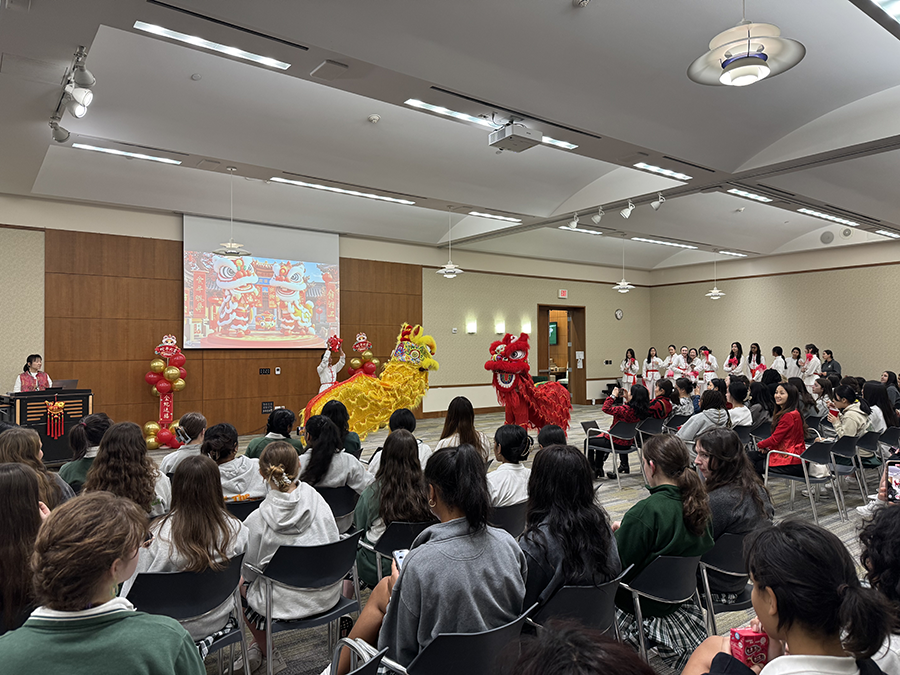
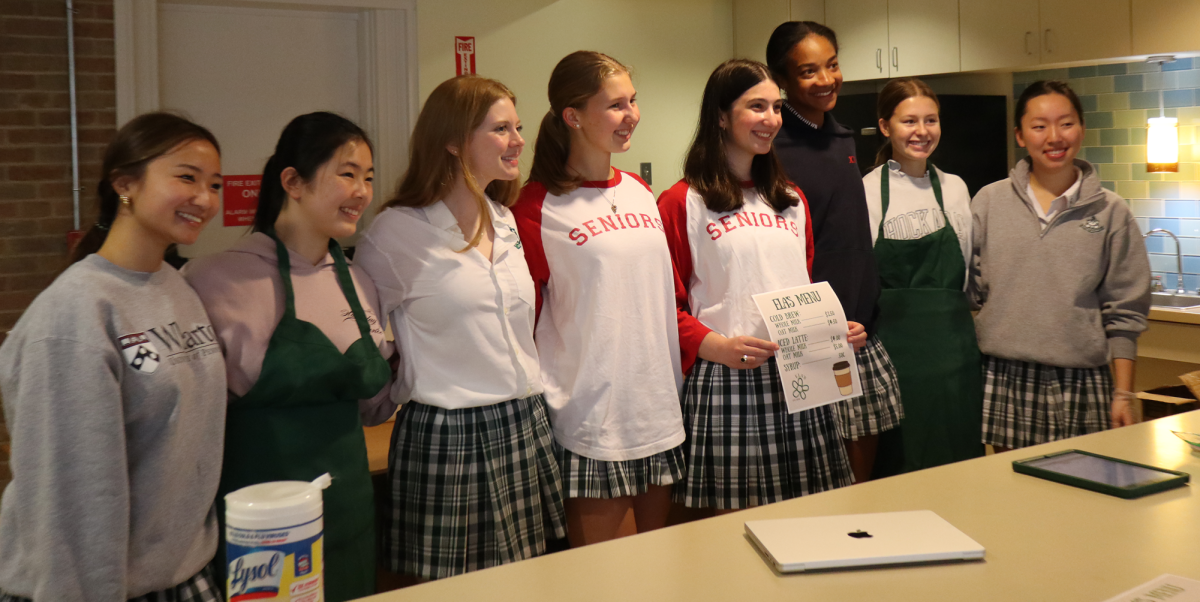
Even without the official brother-sister school label, the partnership between our schools is undeniable. From Lower School Fun Days to Upper School mixers and co-hosted coffeehouses, students from both schools participate and support one another. Hockaday students perform in St. Mark’s plays, attend football games throughout the season and make up the entire cheer team, dedicating early mornings and countless hours. Homecoming queens are drawn exclusively from Hockaday.
These contributions show that our schools’ communities are deeply intertwined. Like any strong partnership, consistency matters. True partners collaborate fully, not selectively. Homecoming should reflect that same principle.