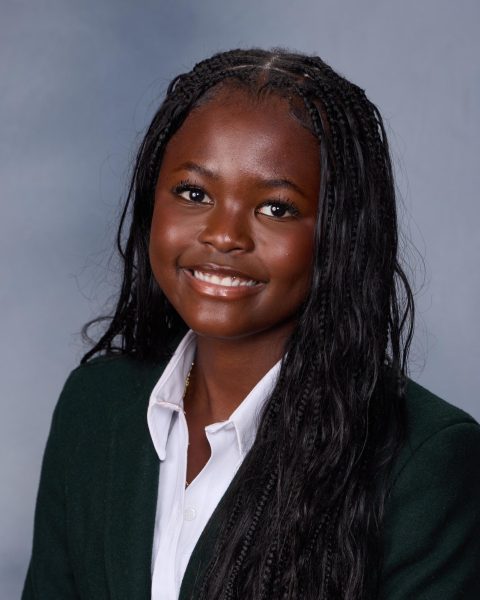









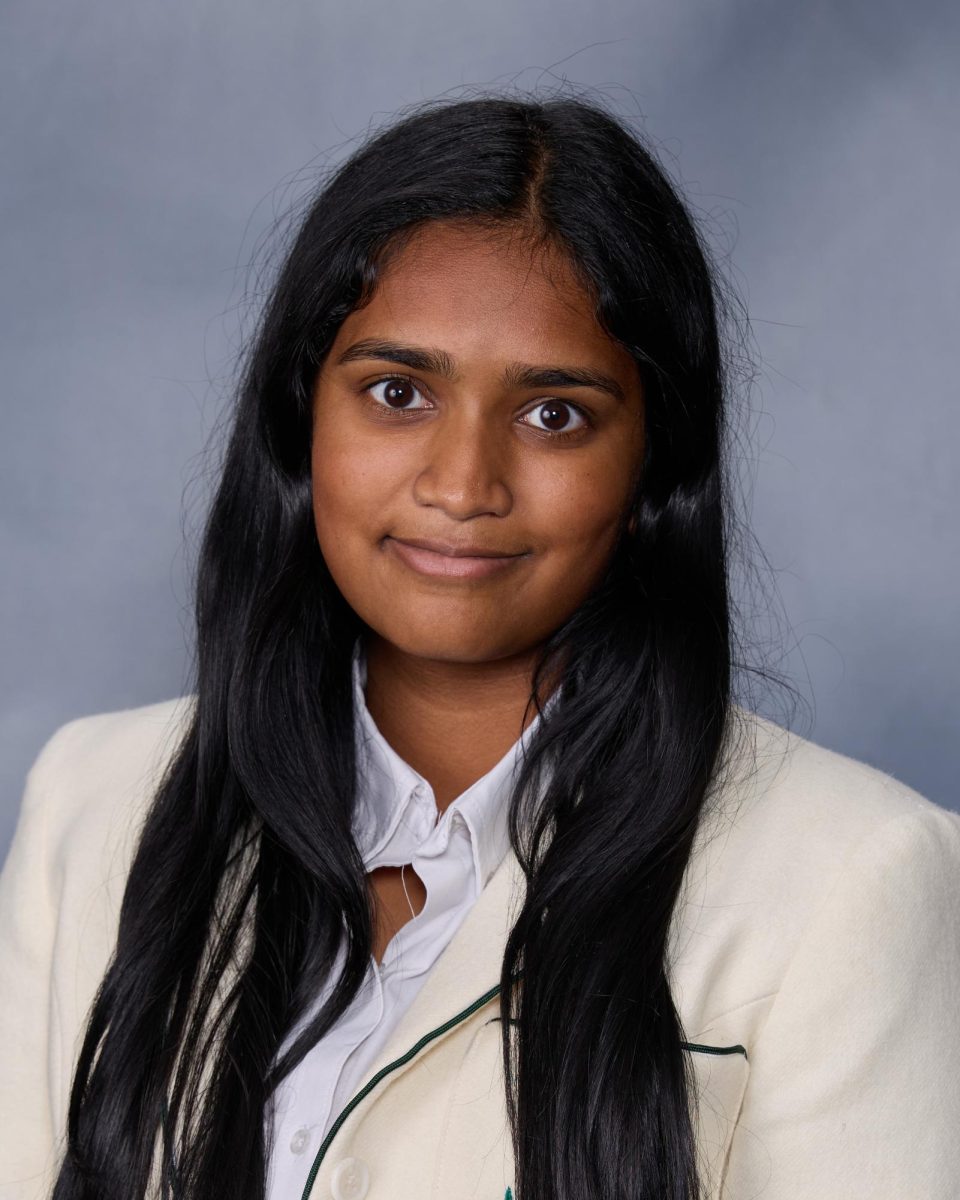
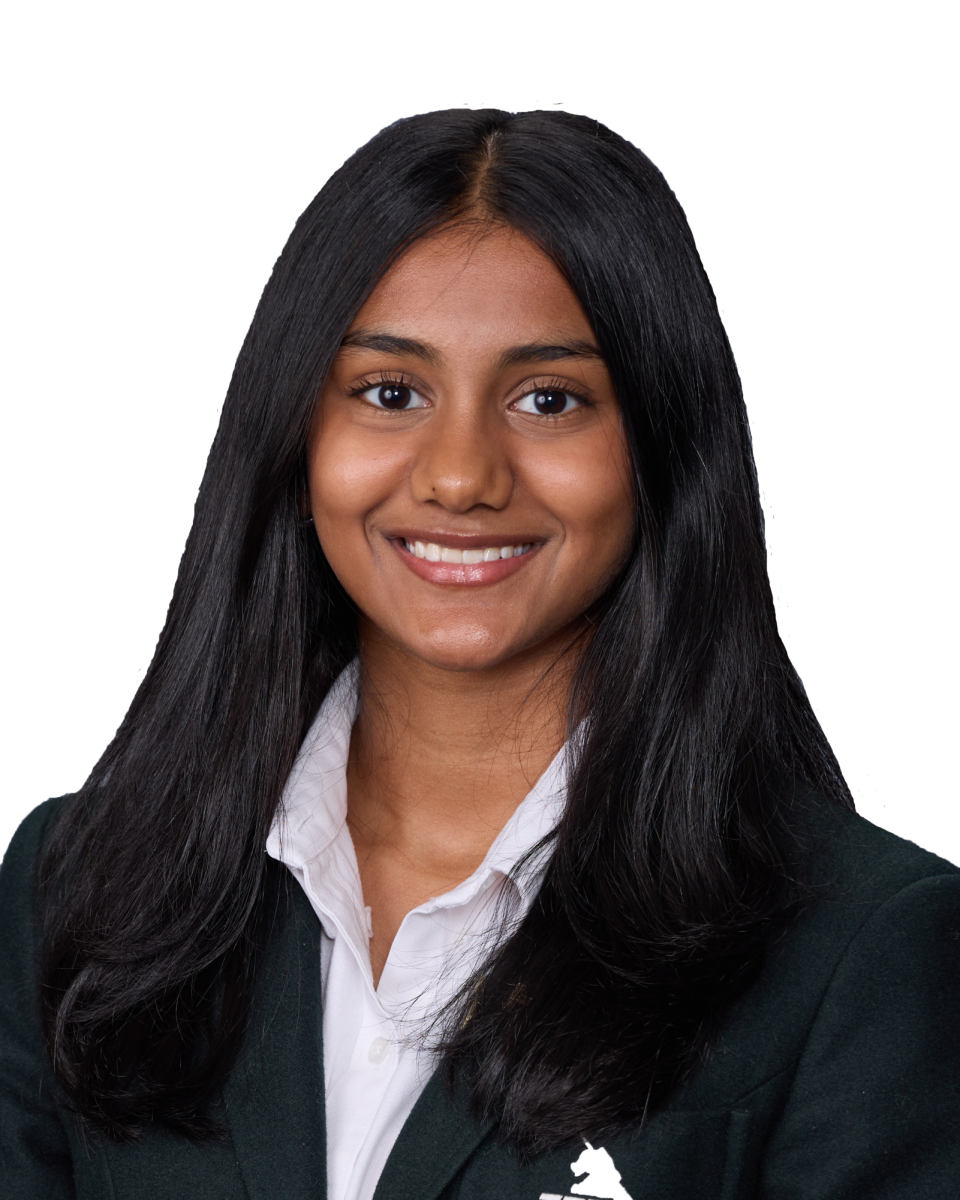



In middle school, junior Madrid Garrett searched for a way to use her passion for art to make a lasting impact on her community. As she entered high school, Garrett recognized the growing issue of homelessness in Dallas and tried to approach the problem from a creative perspective.
“I volunteered with charities in Dallas a lot, and I realized that if you’re giving people food and water, that’s very important, but I think proactively trying to better situations is what really makes a difference,” Garrett said.
After identifying this issue, Garrett found a way to make a meaningful impact on her community.
“I did some research, and Baylor had just started their street medicine team,” Garett said. “I did some cold emailing and calling and then started going out with them.”
The street medicine team works to address the healthcare crisis among members of the Dallas Community who are experiencing homelessness, as their living condition can often make it harder to access the medical assistance they need before their health worsens.
“What street medicine does is it goes into homeless encampments and where homeless people are, and it basically works as their primary care physician,” Garrett said.
From her time interning with the street medicine team, Garrett has seen how homelessness can be an isolating experience.
“When you’re experiencing homelessness, it can feel isolating,” Garrett said. “You feel like no one is there for you. There’s a community, but it’s really you out for yourself.”
Garrett emphasizes that many people hold preconceived notions about people experiencing homelessness and how they got there, but never really understand the full picture.
“I think people misunderstand the pathway to get out of homelessness and how difficult it truly is,” Garrett said. “In order to get housing, you have to have identification and a driver’s license and know your social security number. Oftentimes if you’re sleeping on the street, your stuff gets stolen constantly.”
Garrett clearly saw the issue: people experiencing homelessness are not truly seen by society. So, she started to find a way to make sure that they know that they are seen by her.
When she interns, she goes up to talk to individuals or families waiting for medical assistance.
“I’ll ask first thing: ‘do you need medical attention?’” Garett said. “If they say no, then I say ‘hey, what’s your name?’ ‘Where were you born?’ ‘What did you do before this.”
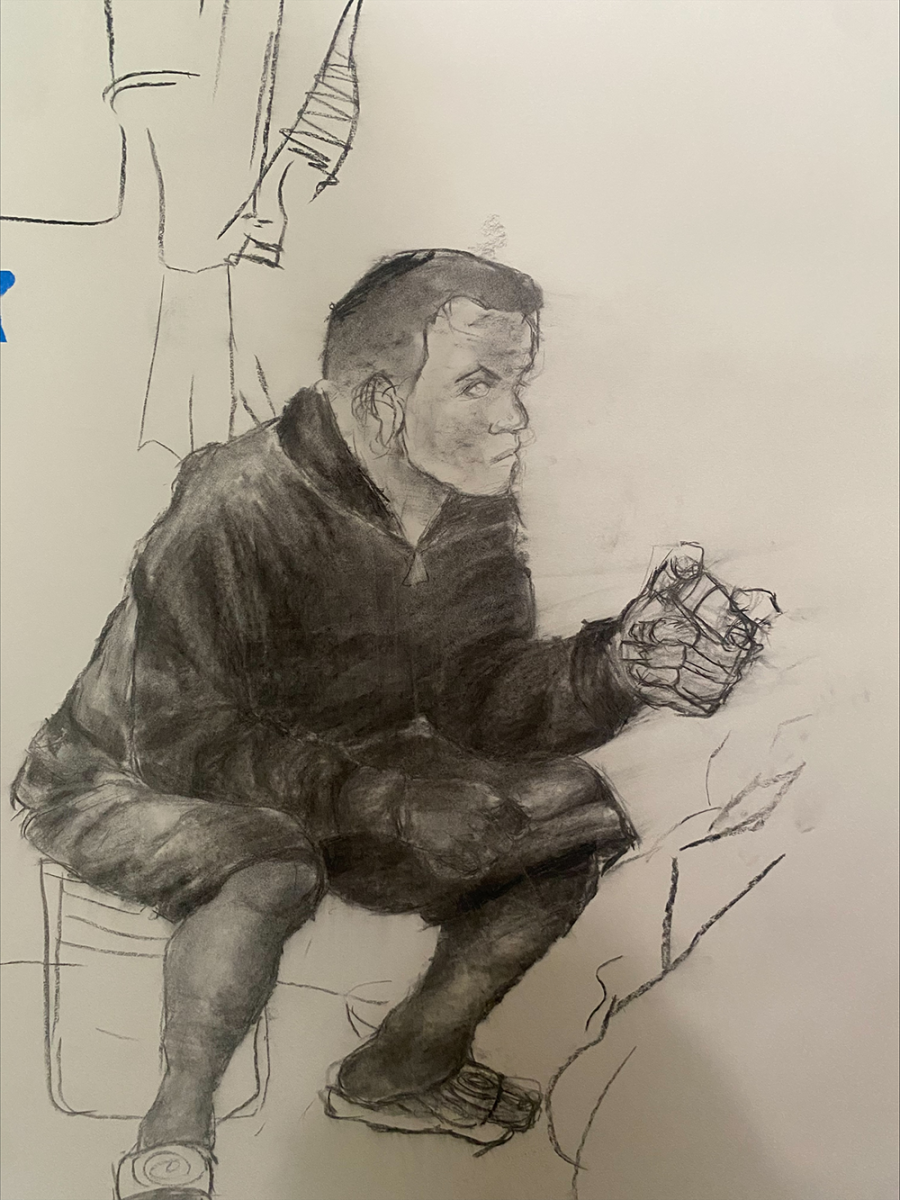
While she listens to them talk, Garrett simultaneously creates a piece of artwork that represents their story, using charcoal, oils and pastels to make it come alive.
“[These portraits show that people experiencing homelessness] have families and kids or were in the army,” Garrett said. “What really matters is that they’re feeling seen by society. Instead of being seen as something that needs to be fixed or a problem that needs to be taken care of, they’re seen as individuals.”
Although volunteering can be a little bit heavy emotionally, Garrett never forgets the moments in which she can see the lives of others changing.
“There was a lady whose nickname was Mama G,” Garrett said. “She previously had not been identified, but now she’s gotten into housing. It’s heartwarming to see the positive impact in the end.”
Garrett has seen that real change can come from actions that may seem simple. She urges others to see that one of the best things they can do is close their eyes to biases and open their hearts to humanity.
Garrett said, “Treating [people experiencing homelessness] like human beings is the biggest thing you can do.”