










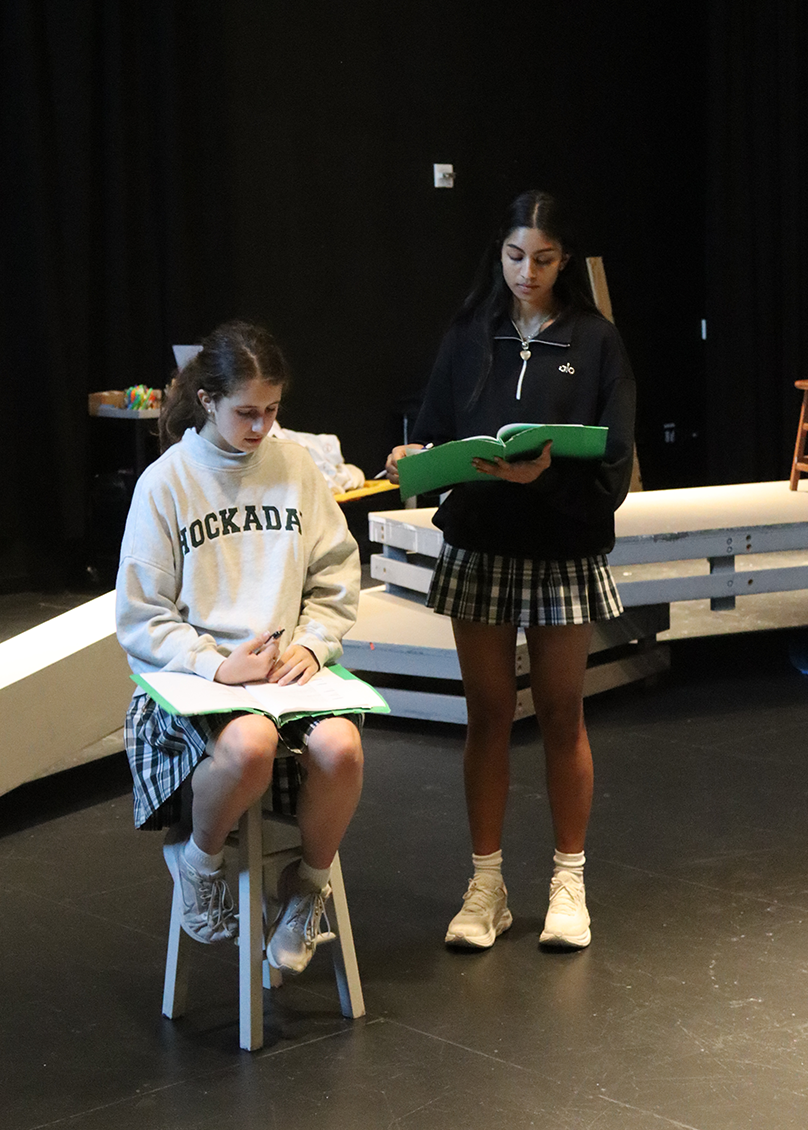





















The Class of 2029 is the first class to participate in the new freshman STAT program. In this program, students are encouraged to develop more effective study habits.
Upper School Dean of Students Dr. Emily Bemenderfer launched her plan to tackle the ongoing problem of the freshmen transition.
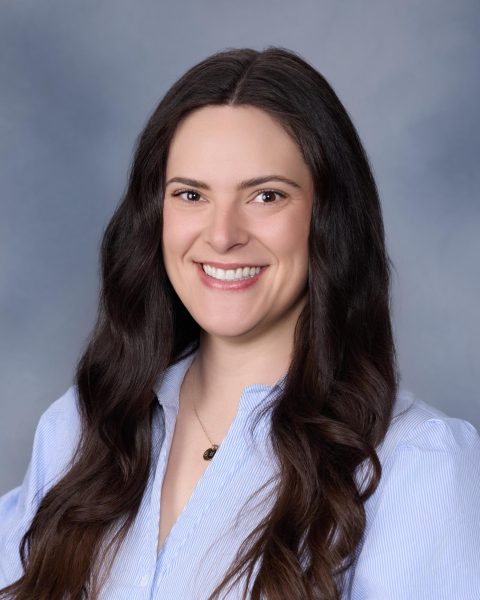
“There are a number of reasons that it’s not an easy transition, and so what I wanted to do was study what it was that was making it so challenging,” Bemenderfer said. “The biggest outcome that my data from my research represented that it was in large part the use of free time.”
She explains that the drastic change of free time often overwhelms freshmen and leads them to avoid seeking help. In the new STAT program, students are required to work in a teacher’s room and fill out STAT sheets documenting 30 minutes of work, the date, the school day, and the teacher’s signature. Bemenderfer planned the program around students’ schedules and needs.
“We went with 150 minutes because we didn’t want all of STAT to be reported,” Bemenderfer said. “We wanted students to be able to plan things accordingly but also wanted a minimum requirement to help get them started.”
Bemenderfer also said that if students fulfill their required time, future requirements are lowered by 30 minutes each reporting period. Bemenderfer emphasized that the program is centered around student needs
“Skills that we really want students to adapt are self-advocacy and communication skills,” she said. “[I want students to be able] to confidently access student resources on campus, so like the Learning Center, the Writing Center, and counseling. Then if there are students who are maybe going to struggle in certain areas more than others, being able to identify that early on so that we can provide the support and intervene early.”
Bemenderfer said she also wants freshmen to use STAT to reflect on how they study.
“I want them to see what patterns in their use of time– what study skills are most effective for them, what study environments work best for them, whether they need total quiet or a little bit of background noise,” she said. “Those were kind of the overall goals for the program.”
Bemenderfer has noticed a positive trend of outcomes for freshman this year compared to last year.
“Freshmen students are not clogging up the hallway upstairs or being as loud for the classrooms around,” she said. “There are fewer library noise complaints, and students seem more intentional about planning their STAT time and heading straight to workspaces.”
Bemenderfer said that the program is still being tweaked for improvement.
“We’ve expanded STAT to include free periods so student-athletes who leave early still have time to complete it,” Bemenderfer said. “We also opened times before and after school because that’s when many teachers meet with students.”
Other changes include more options for study locations and encouraging students to meet with their teachers more.
“There are things I would do differently in terms of clarity of delivering information,” Bemenderfer said. “Rolling out a new program is always a little rocky, but with future issues we will address them more intentionally from the start.”
