


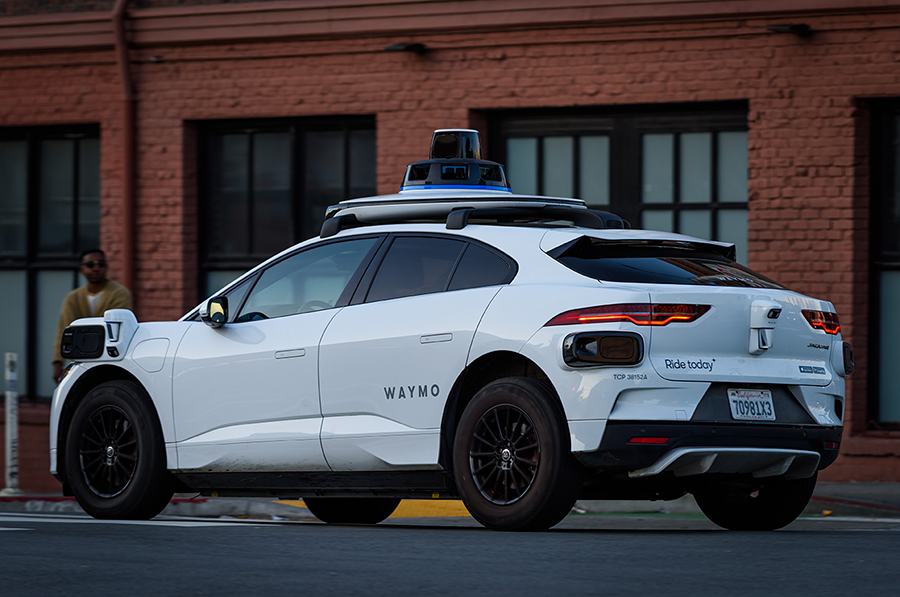















Like with any new rising technology, many people’s sentiment towards robotaxis—self-driving taxis without human operators—is distrustful. The emergence of driverless taxi services around the U.S., with companies such as Waymo, Tesla and Zoox cements its place as the hottest new technology. While most of these companies started their services in the Bay Area, the Dallas-Fort Worth (DFW) Metroplex serves as a prime location for these robotaxi services because of the area’s low walkability and reliance on cars to get around.
In December 2025, Uber launched its collaboration with AvRide. This allowed users to opt in and be matched with an AvRide robotaxi when they call for a ride. As part of the launch, Uber also deployed AvRide autonomous sidewalk delivery robots for Uber Eats.
In July 2025, Waymo, one of the U.S.’ leading companies in autonomous vehicles, announced that they plan to launch their driverless taxi service in early 2026 in Dallas to the public. Currently, Waymo in Dallas is only available through an invitation link or to employees but is available to the public in the San Francisco Bay Area, Phoenix, Los Angeles and Miami. Using the Uber app, Waymo is also available in Atlanta and Austin. Since 2020, Waymo vehicles have been in around 1,200 crashes but still maintain a lower crash rate than human drivers.
Another company planning to bring their robotaxis to Dallas is Tesla, planning to launch in the first half of 2026. Tesla is known for their autonomous vehicles for consumers and launched their taxi service using Model Y vehicles in Austin in June of 2025.
Currently, most of their robotaxis have human safety operators, with plans to remove them for all their robotaxis. Unfortunately, Tesla robotaxis have encountered 14 crashes in their first eight months of operation, all with human operators still in the vehicles.
Tesla Robotaxis and Waymos are known to be significantly cheaper in the Bay Area compared to other human-operated taxi services such as Uber and Lyft. Though, the same cannot be said for areas outside of the Bay Area, as most locations do not have as many autonomous vehicles as the San Francisco Bay Area.
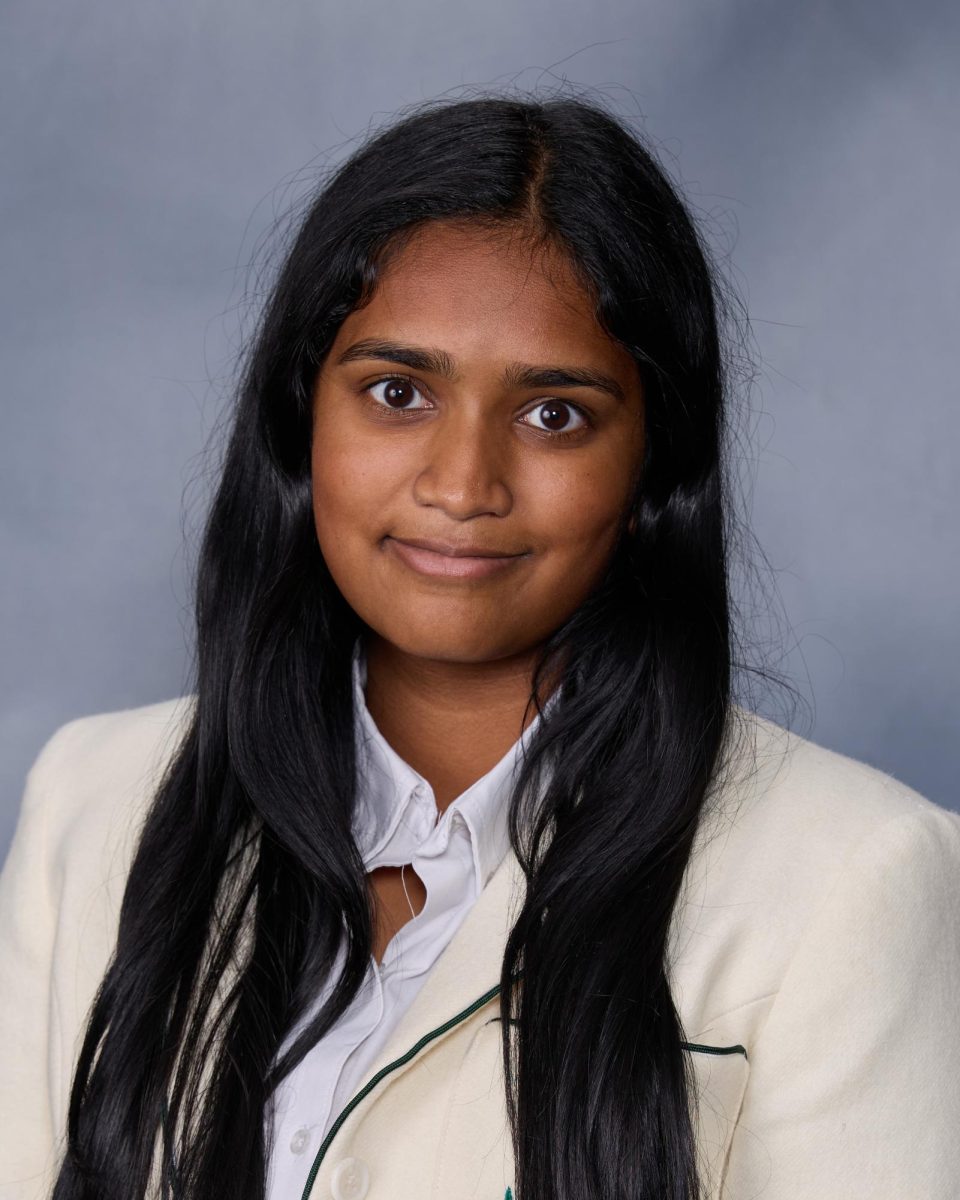
Senior Isabella Luo ’26, who researched information sharing between two autonomous vehicles at The University of North Texas (UNT) and ultimately published a paper, also shares the same view.

“Waymo’s emergency feature is to shut down,” Luo said. “No autonomous vehicle right now can ethically make correct decisions in an emergency, so that’s why they have to shut down.”
When encountering emergency situations, Waymo vehicles are programmed to pull over and stop. Through Luo’s research, she helped create a machine learning program that used Bird’s-Eye-View (BEV) sensors to track mapping, path planning and object orientation between two autonomous vehicles all while exchanging data at each step.
“Right now, we’re just testing how well and how efficient [the program] is,” Luo said.
Luo’s research helps make information sharing between autonomous vehicles simpler and more efficient. The research was also sponsored by Toyota.
“The program, once it’s done, whenever it has matured, it’ll probably be used for Toyota vehicles,” Luo said. “We were working with [Toyota’s] research and development team. It was more looking into potential viable options for the future.”
With big car companies such as Toyota, BMW, Ford and General Motors heavily investing into researching and developing autonomous vehicles, it’s no surprise that more and more people are being called to the industry.
Melody Hu ’23 has had two internships in college, both working on autonomous vehicle projects in tech companies in the Bay Area.
“I started doing competitive robotics in second grade and have kept that passion ever since,” Hu said. “Robotics and autonomous vehicles share a lot of the same technology, so I’ve worked closely with autonomous vehicle technologies for a while now.”
Hu believes that autonomous vehicles on public roads are a result of both numerous trials and approval from community governments.
“Companies go through a lot of engineering testing and precautions before putting passengers in autonomous vehicles,” Hu said. “Additionally, local governments have a strong say in what companies can put on their public roads, ensuring that safety is prioritized.”
Despite these successes in the Bay Area, Hu is unsure of Dallas’ capabilities as an autonomous vehicle market.
“The perception around autonomous vehicles and a lot of technology is different in the Bay Area compared to Dallas,” Hu said. “Autonomous driving services are normalized in the Bay Area, and the Bay is known to be a tech hub. In comparison, Dallas is a newer market, and I also think in general, standard ride hailing services seem to be more popular in Bay Area cities compared to Dallas.”

