



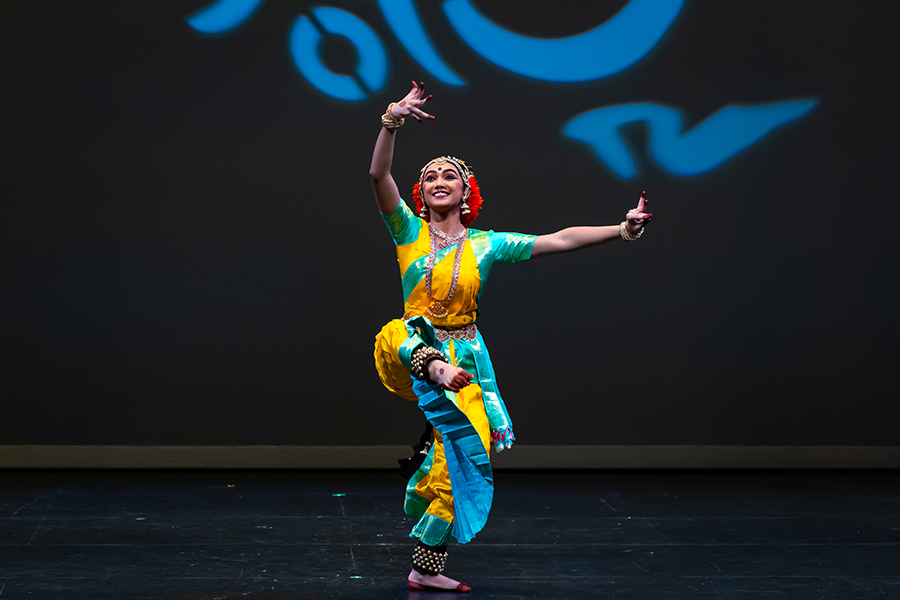
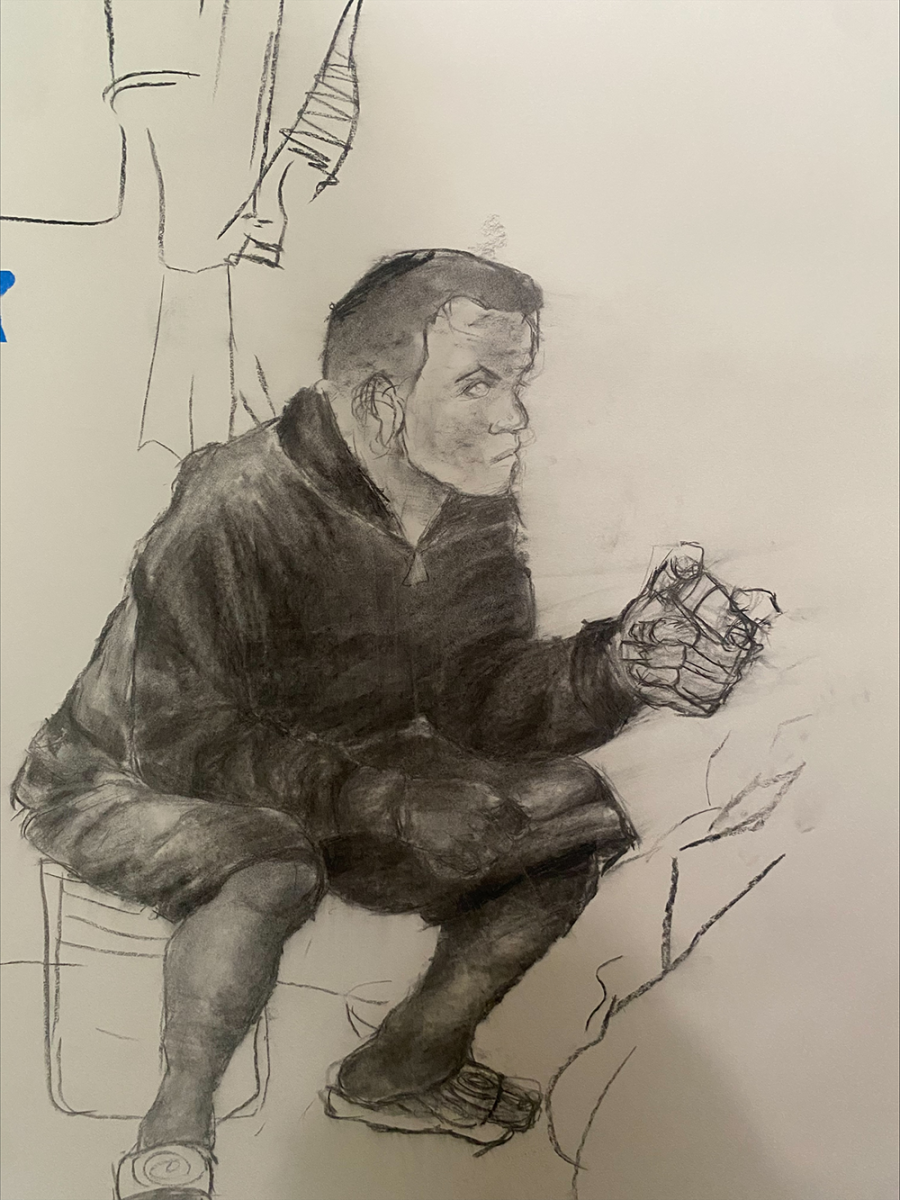
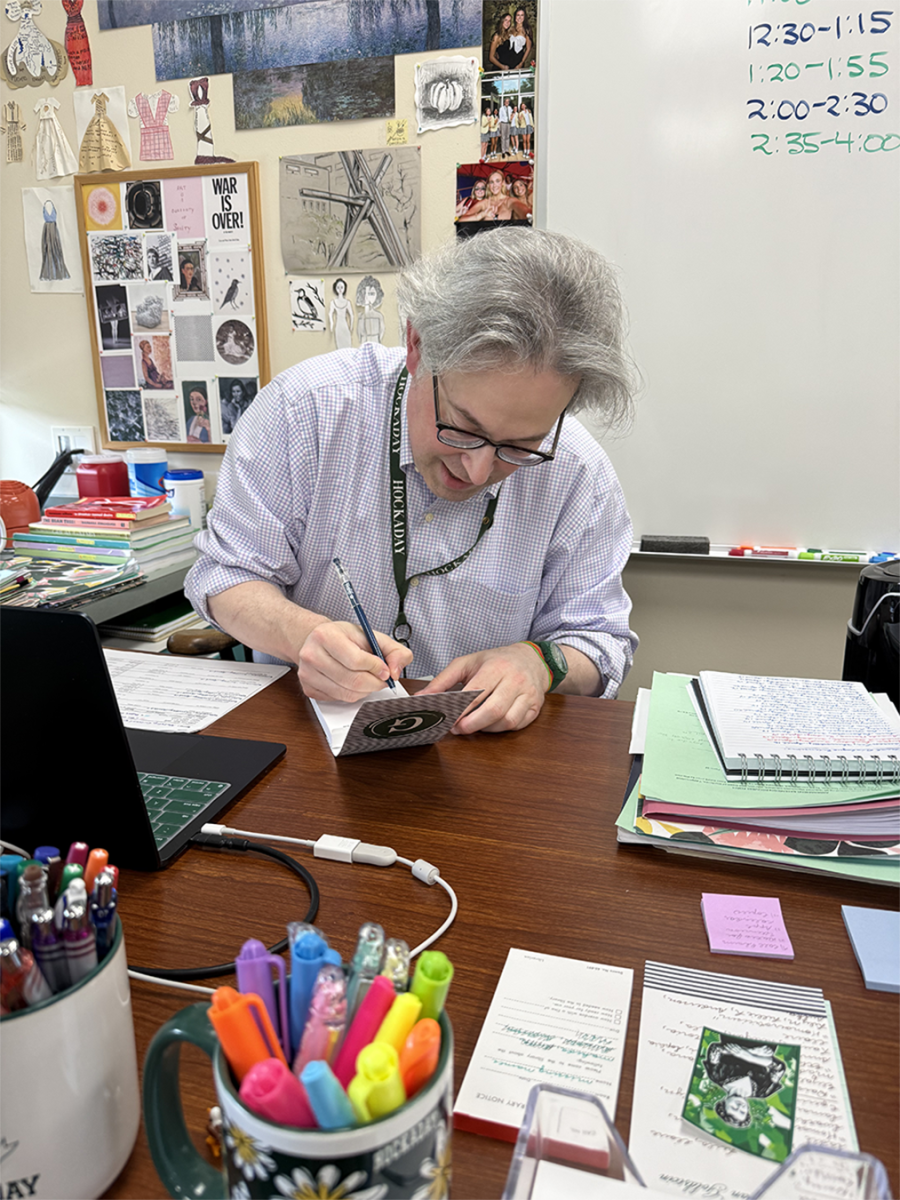



















From traditional Indian dance like Bharatanatyam to traditional Chinese dance like gudian wu, dance serves as a powerful form of expression that reflects the values, histories and identities of various cultures. According to the International Theatre Institute (ITI), International Dance Day was founded to celebrate the birthday of Jean-Georges Noverre, the creator of modern ballet. Every April 29, dance receives world-wide attention, preserving traditions and creating connections. In fact, Hockaday students participate in a variety of dance styles ranging from Kuchipudi to Step, exemplifying the diverse community of Hockaday.
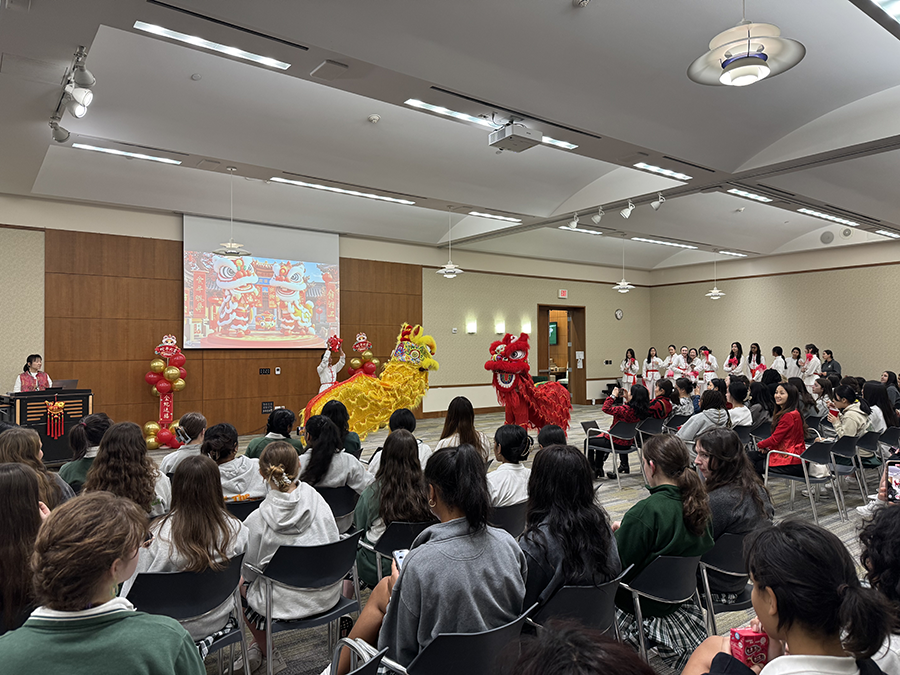
Junior Betty Liu does gudian wu, which is a type of traditional Chinese dance that emphasizes fluidity and grace, and combines elements and dance forms from various Chinese eras.
“It is like the ballet of traditional Chinese dance, and it is the base for all different forms of Chinese dance,” Liu said.
Liu finds that dance has helped her connect better with her culture.
“I feel like after moving to America, I did not have a connection with my identity at home, and the Chinese identity that I have,” Liu said. “So, I started doing Chinese dance, and I think it is a way that I can connect back with my heritage and also dance with other people who are Chinese American.”
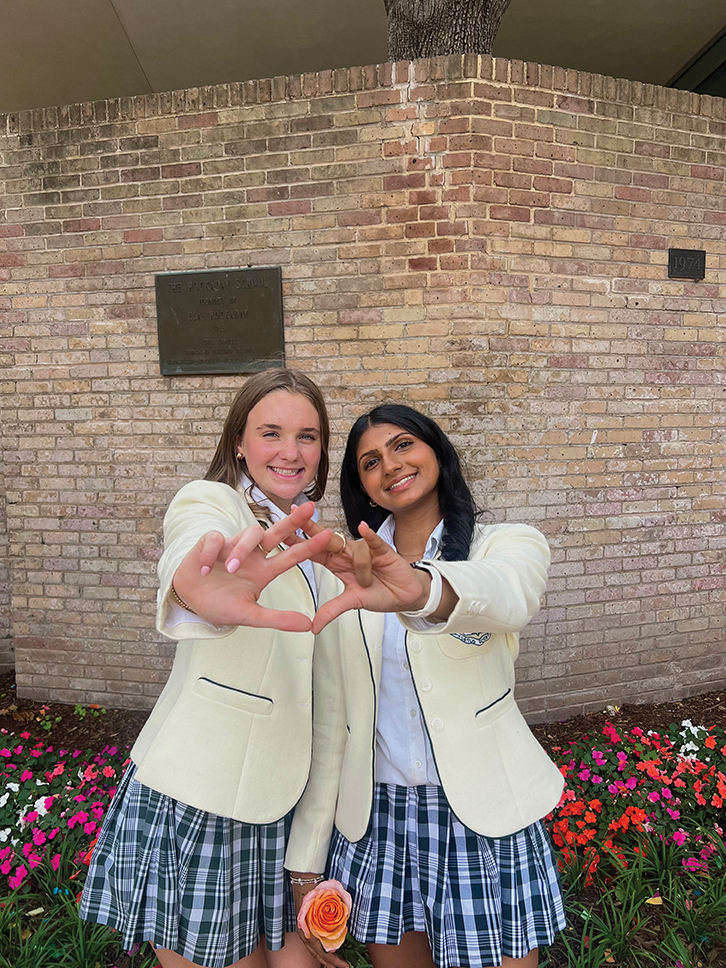
Sophomore Bailey Horne shares this desire to honor one’s culture and views Stepping, a form of percussive dance, as an art form carrying various themes.
“Stepping originated from fraternities and sororities, and it had themes of unity along with friendship, perseverance and leadership,” Horne said. “You’ll see a lot of step performances during showcases along with people pledging towards those fraternities and sororities.”
This theme of connection is what keeps the dance form standing tall in the present.
“Stepping has a lot of cultural importance towards the African American community, and also it has lasted for a long time before us,” Horne said. “So, you do not want to disrespect the lineage. It is a way to celebrate how far we have come to continue the tradition.”
Senior Nadia Guevara, president of the Latin and Hispanic Student Union (LHSU) said dance provides a connection among the many cultures of Latin America.
“Latin American culture in general has a lot of different races and ethnicities,” Guevara said. “So, I think that it is a good representation of each individual country, and I think that it is important to pass that on.”
Beyond its cultural significance, Guevara said the true power of dance comes from the joy it brings.
“Dancing brings a smile to my face when I am able to dance with people, such as family or friends,” Guevara said. “I think that it promotes unity, which is another reason why dance is so important.”
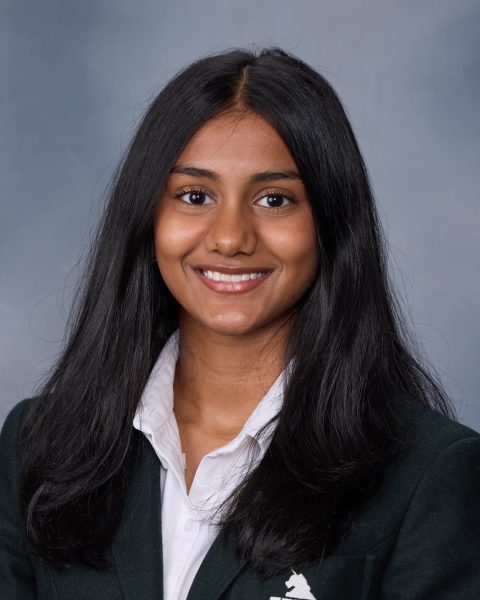
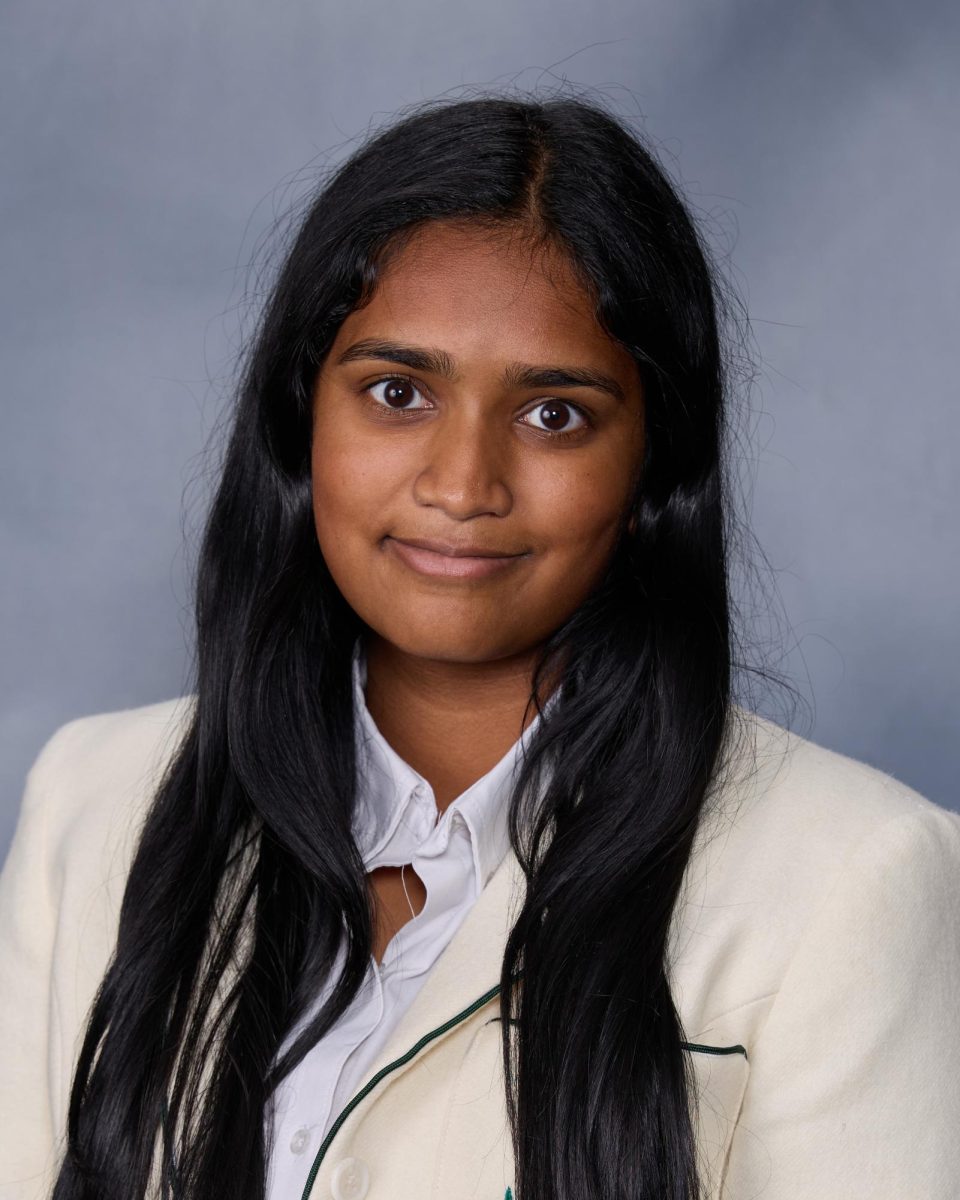
This emphasis on community is also important to sophomore Ameya Indaram, who does Kuchipudi, a type of Indian classical dance which can be performed as a solo or group.
“It helps you build a connection with who you are dancing with, but it also teaches you a lot about discipline and having passion for others,” Indaram said. “So, it is the kind of thing that helps you develop skills to build relationships with others.”
Indaram notes that this sense of connection is rooted both in the meaning conveyed through it and the history of Kuchipudi.
“It comes from the same type of family as Bharatanatyam, which is also from South India, except Kuchipudi is a traveling dance form,” Indaram said. “From the 1300s, there were dance troupes who do Kuchipudi who go traveling from town to town, village to village, and they just perform.”
This shared art form across various cultures demonstrates how movement expresses what speech cannot.
“Dance is a common language,” Indaram said. “You can convey things using your body that you might not be able to connect with words. It’s another form of storytelling which helps us better articulate themes like connection and unity.”