




























Once considered niche, cultural foods like ugali, kimchi and chicken tikka masala have become popularized on social media “for you pages” and placed in mainstream culture worldwide. Their rich flavors are capturing the attention and hearts of people globally.
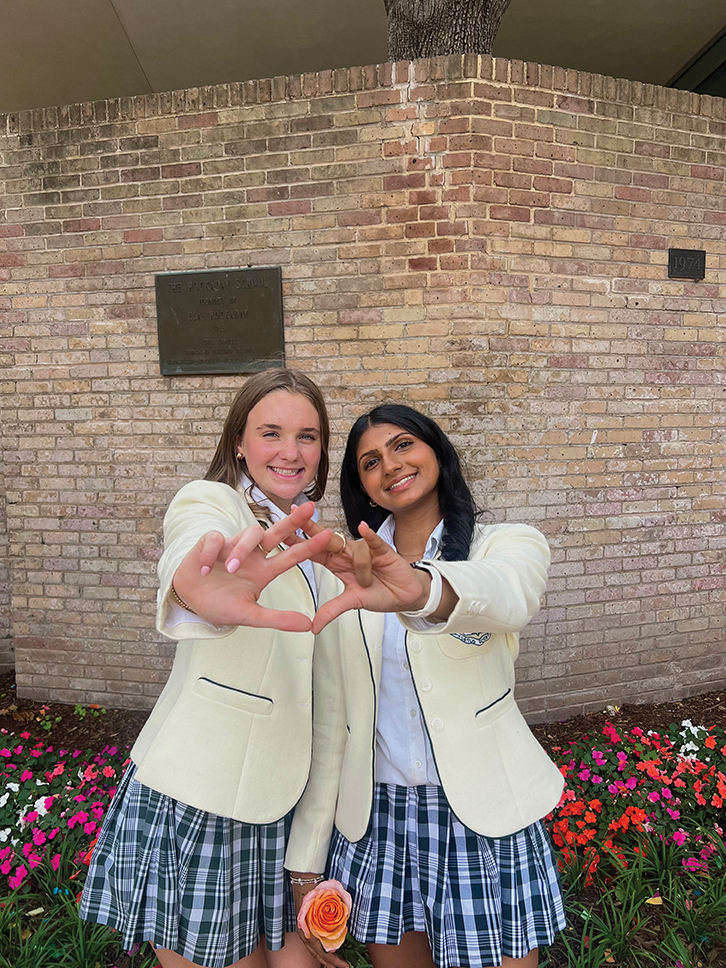
Senior Savannah Chun, leader of Asian Student Association (ASA), enjoys the traditional Korean dish sundubu-jjigae.
“It’s like a tofu stew and there are a lot of different flavors and spice levels that you can choose to go along with it,” Chun said. “The flavors are super warming and comforting and it tastes delicious, especially with rice and egg.”
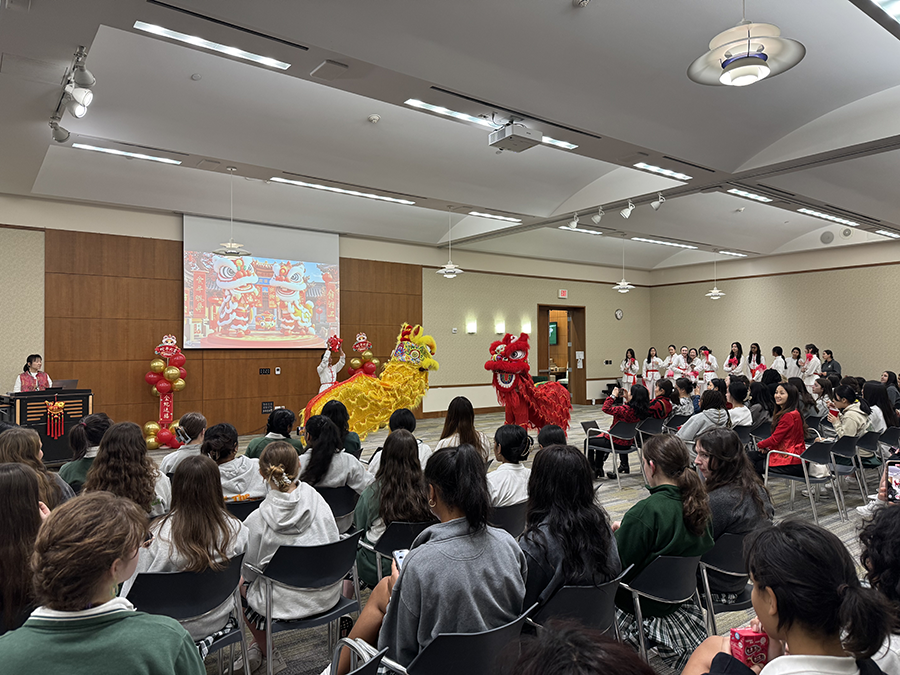
As ASA leader, Chun helps organize the Lunar New Year event, which features booths of various Asian countries offering traditional food.
“I think one year, we made tteokguk which is a type of Korean soup that you eat when it’s someone’s birthday or the New Year,” Chun said. “All the booths were serving different types of food and that’s kind of how the cultural, traditional foods of Asia spread at Hockaday.”
As cultural foods spread, many people often experiment by combining flavors and cuisines in different ways.
“I saw someone make a butter chicken sandwich and I thought it was really interesting how they try to make new types of food,” Chun said. “I thought it was interesting how they tried to combine American cuisine and Indian cuisine.”
Experimenting with different foods also helps people connect with dishes from other cultures. Senior Jada Muhia, leader of the African Student Union (AFSU), observed how people discover different dishes.
“I think it has to do a lot with people’s familiarity with the actual food itself and the similarities between foods from different cultures,” Muhia said. “Like how Western European culture is more popularized in America.”
Influencers on social media platforms like TikTok and Instagram boost the popularity of cultural dishes through short reels and videos. This attention is reaching Muhia’s own cultural dishes, such as ugali and mandazi, which are gaining traction in restaurants and social media.
“If there’s already a version of that food in Western media, then the likelihood that a lesser-known food will become popular becomes greater,” Muhia said. “And I feel that people just need to sort of step out of their comfort zones a little more and eat more lesser-known dishes.”
However, social media exposure to traditional foods is not always positive.
“Sometimes I watch videos where the influencer will go out of their way to sort of make it seem as if the culture surrounding the dish is lesser than that of Western culture,” Muhia said.

For senior Sara Gupta, she finds that the journey of these foods is tied to the people who carry them from one place to another.
“Many people who open traditional restaurants, for example, serving Chinese or Vietnamese food, carry the cultures and traditions of their home,” Gupta said. “Other times, it’s through word of mouth, and you see it online.”
However, Gupta believes that social media both positively and negatively affects the culture behind the food.
“It’s like playing Chinese whisperers, as sometimes when they spread the food, influencers add misinformation to it just because they might not know as much about it,” Gupta said. “But on the other hand, I think it’s great that it spreads to other countries and more people get to enjoy it, because that’s another way to appreciate other cultures.”

Sophomore Ellie Tran explained that trends become popular if the internet receives it well.
“If a food gets noticed by followers and influencers, it can really blow up from there,” Tran said. “Once it starts trending, more people see it, try it and share it, and that’s how a dish can go from being niche to popular super quickly.”
Sometimes, a cuisine’s popularity rises alongside trends in pop culture, as people become interested in the media and entertainment associated with that culture.
“Like Korea, for example, has become a very popular country, and people are really interested in its culture through music and film, especially with K-pop and K-dramas,” Tran said. “I think with that interest in the Korean entertainment industry comes an interest in its food.”
As cultural foods rise in popularity, it becomes even more important to honor them.
“I think it’s extremely important to respect the culture behind the food you’re making, because there’s often so much history in a dish and it means a lot to many people,” Tran said. “If that is disregarded, all of that significance is lost, and it shouldn’t be.”