
















Having difficulty navigating an inaccessible world, feeling guilty for using accommodations and being shamed for being disabled: These are just a few examples of negative backlash that disabled people may experience.
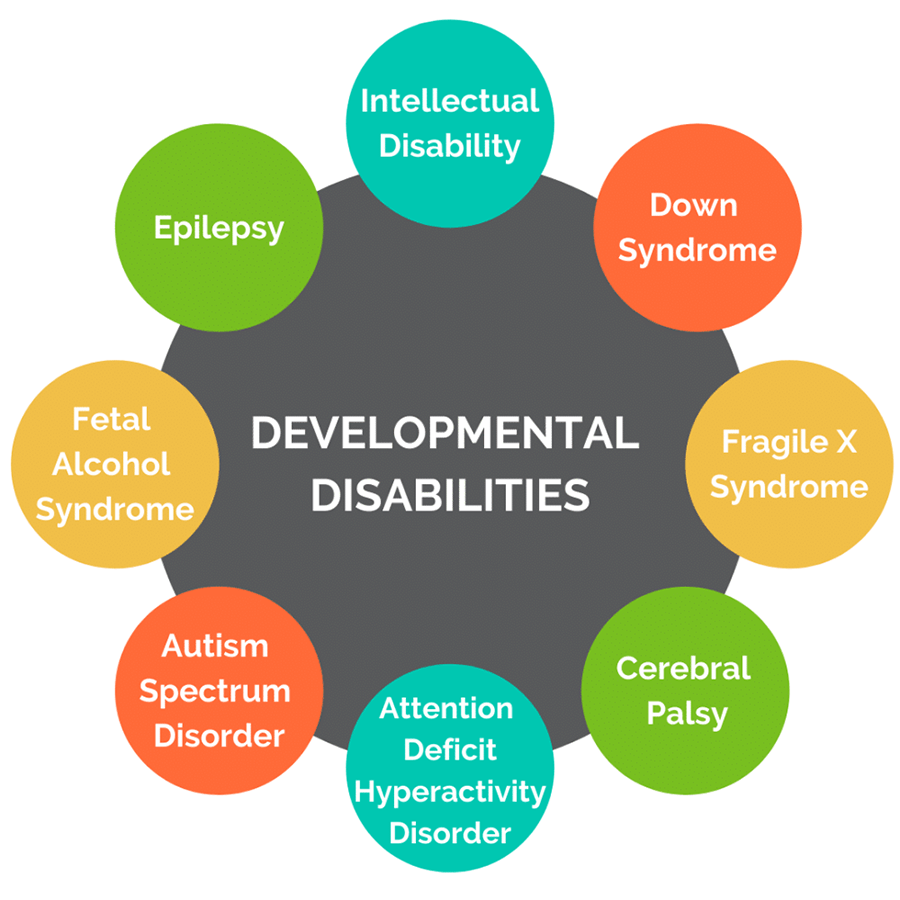
March is Developmental Disabilities Awareness Month, which presents a fitting time to shine light and recognize the experiences, challenges and strengths of disabled people. Developmental disabilities refer to a wide array of conditions that begin in childhood and affect physical, learning, language or behavioral development.
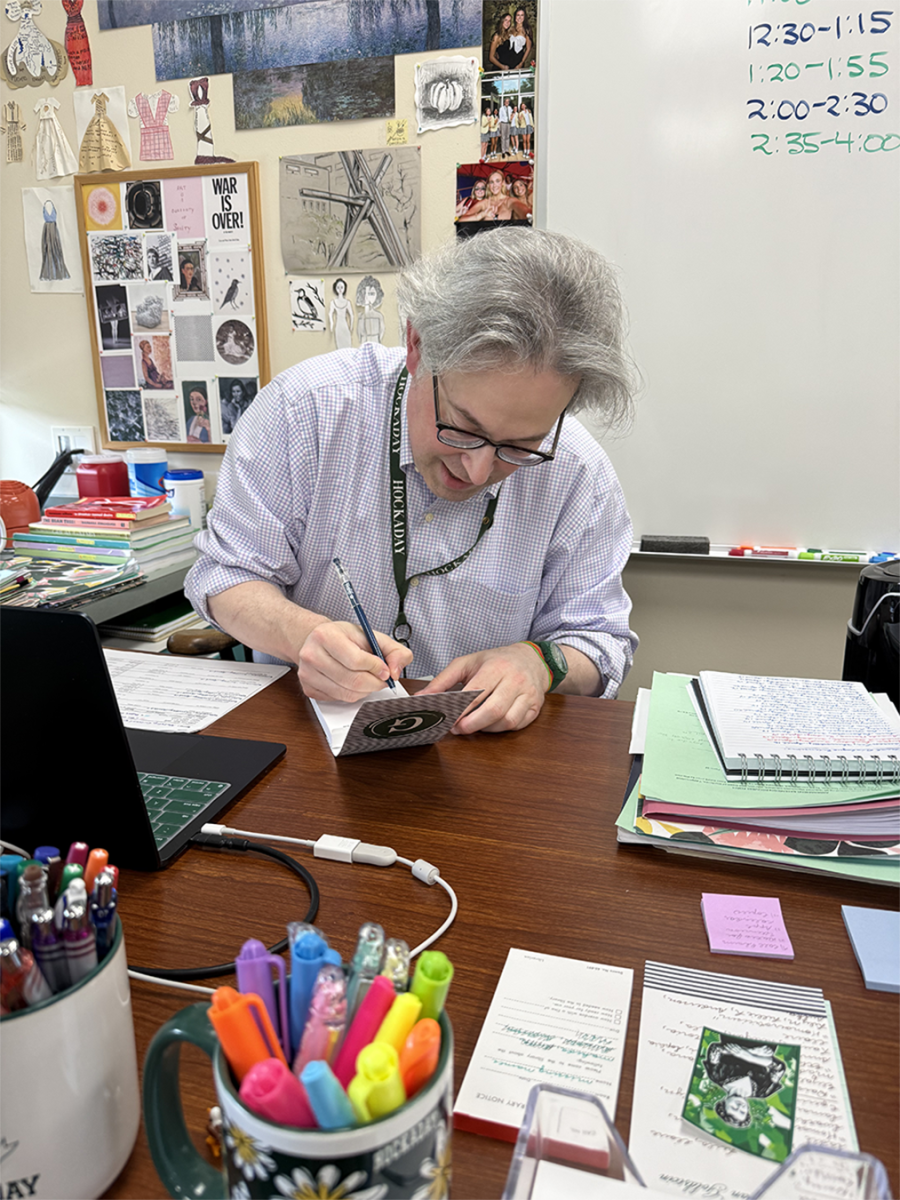
“I think a lot of Hockaday students are really used to hearing the term ‘microaggression’ when it comes to discussions of race, but the same is true for disability as well,” Upper School English teacher Dr. Claire Cothren said.
Microaggressions are a form of ableism, which is defined by Merriam-Webster as “discrimination or prejudice against individuals with disabilities.” Cothren teaches the Disability Identity class and emphasizes the importance of language when beginning a discussion on disabilities.
“In our class, we read this book by Emily Ladau, which I thought was really helpful,” Cothren said. “[Ladau] emphasized that everybody who identifies as disabled gets to decide their own terminology.”
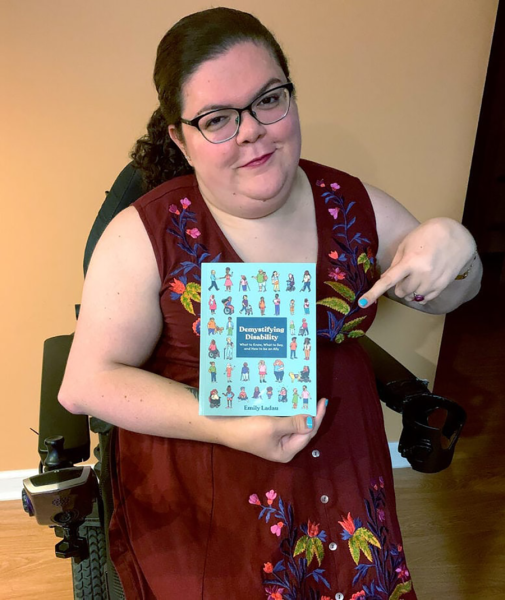
Ladau, who wrote Demystifying Disability: What to Know, What to Say, and How to be an Ally, is an American disability rights activist, writer, speaker and advocate. She was born with Larsen syndrome, a genetic joint and muscle disorder. In her English class, Cothren discusses, how the language surrounding disability is determined by how each individual disabled person prefers to identify as.
“Some people have preferences about using person-first [language] by saying ‘I am a person who has autism,’ versus indentity-first, which is ‘I am an autistic person,’” Cothren said.
Cothren also delves into the origins behind the antiquated terminology that is frequently used when discussing disability.
“As a whole, the terms ‘handicapped’ have become outdated,” Cothren said. “We think more about accessibility, as opposed to keeping the focus on limitations. So instead of saying, ‘This is a handicap parking space,’ we’ll say, ‘This is an accessible parking space, because here more people can use it to get to the things that they need more quickly.’”
People often use such terms as a way to indirectly address disabilities. However, Ladau states in her book that there is nothing wrong with recognizing a disability.
“[Ladau] feels like a lot of people try to use euphemistic language, that they’re afraid to say in a straightforward way, ‘that person has a disability,’” said Cothren. “[Ladau] says, ‘No, that is something that I feel very proud of. I don’t have to use euphemistic language and skirt around it. This is part of who I am.’”
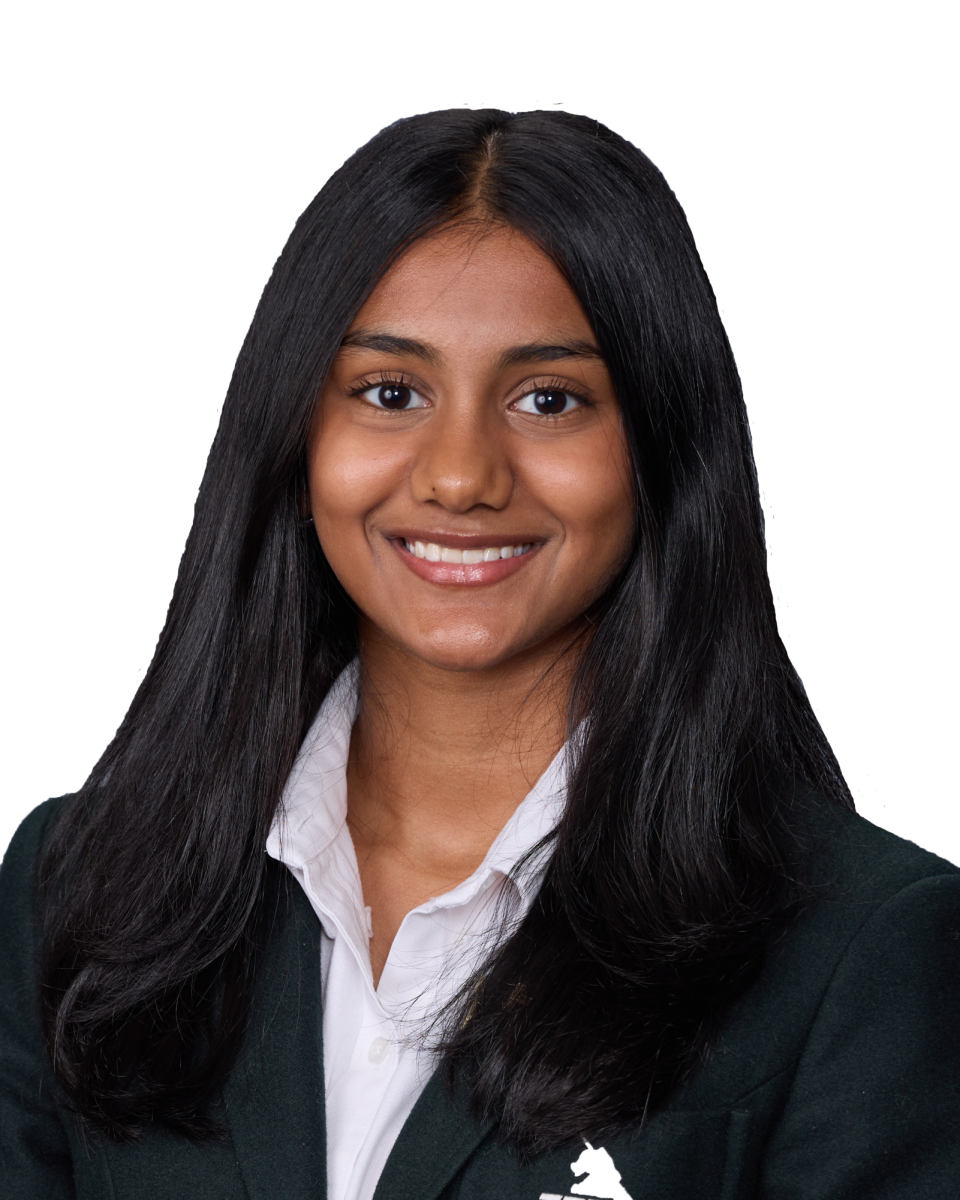
Georgia Fuller ‘25 took Cothren’s Disability and Identity class her junior year and was diagnosed with a visual impairment known as Stargardts eye disease at age 13. Fuller carries lessons with her today that she learned from Cothren’s class.

“One of the first units that we did was on language used about disability, and that was such an empowering unit for me, because I haven’t been disabled my whole life,” Fuller said. “So, I didn’t grow up learning the correct rhetoric to use; I was kind of thrust into it. That class really helped me learn the right language to use.”
Fuller’s visual disability has largely changed her perspective on humanity and the world we live in.
“I do think that being blind has given me a new perspective on things and different ways of seeing the world that have helped me help others in a way and have more grace in a way that I don’t think I had before I was diagnosed,” Fuller said.
However, Fuller’s disability has also been difficult for her. Even in the world today, where we have plans and laws in place to protect people with disabilities, they are shamed and ignored for the accommodations they need.
“In college, I had a professor last semester who told me I was a disruption in class when I silently got up to ask my [teacher’s assistant (TA)] Kirsten in the back of the lecture hall if she could quietly read me the text on the slides, because my professor had forgotten to send them to me, which was part of my accommodations,” Fuller said. “By law, she had to do so. She then made me feel really ashamed in a place where I should not have because I was not being properly accommodated, as the [Americans with Disabilities Act] legally binds her to do.”
Fuller encourages everyone to advocate for others because the world is not as accessible as it may seem for people with disabilities.
“My TA right now has been essential for me to feel included in college,” Fuller said. “I am a music major, and a lot of my major is reading sheet music, which, for obvious reasons, is a little bit difficult for me.”
Fuller believes that everyone deserves to chase their dreams and pursue their passions, and everyone needs help getting there. Yet our society perpetuates a stigma around asking for help or propagates judgement around accommodations.
“I’ve always wanted to do music for as long as I can remember,” Fuller said. “And there were definitely a lot of moments where I could have dropped it, or a teacher could have discouraged me. But teachers like Kirsten, Mrs. Poe and Dr. Bemenderfer have been so vital for me because they responded to those worries with, ‘No, you are beyond capable of this.’”
In recent years, there has been a surge in disability empowerment movements and a change in the language around disabilities.
“I am proud to be blind, I am proud to be all of these things,” Fuller said. “There are times where you wish that you had a certain ability, because it would make your life easier, but also you are proud to be who you are and to be disabled and to be part of this powerful community.”
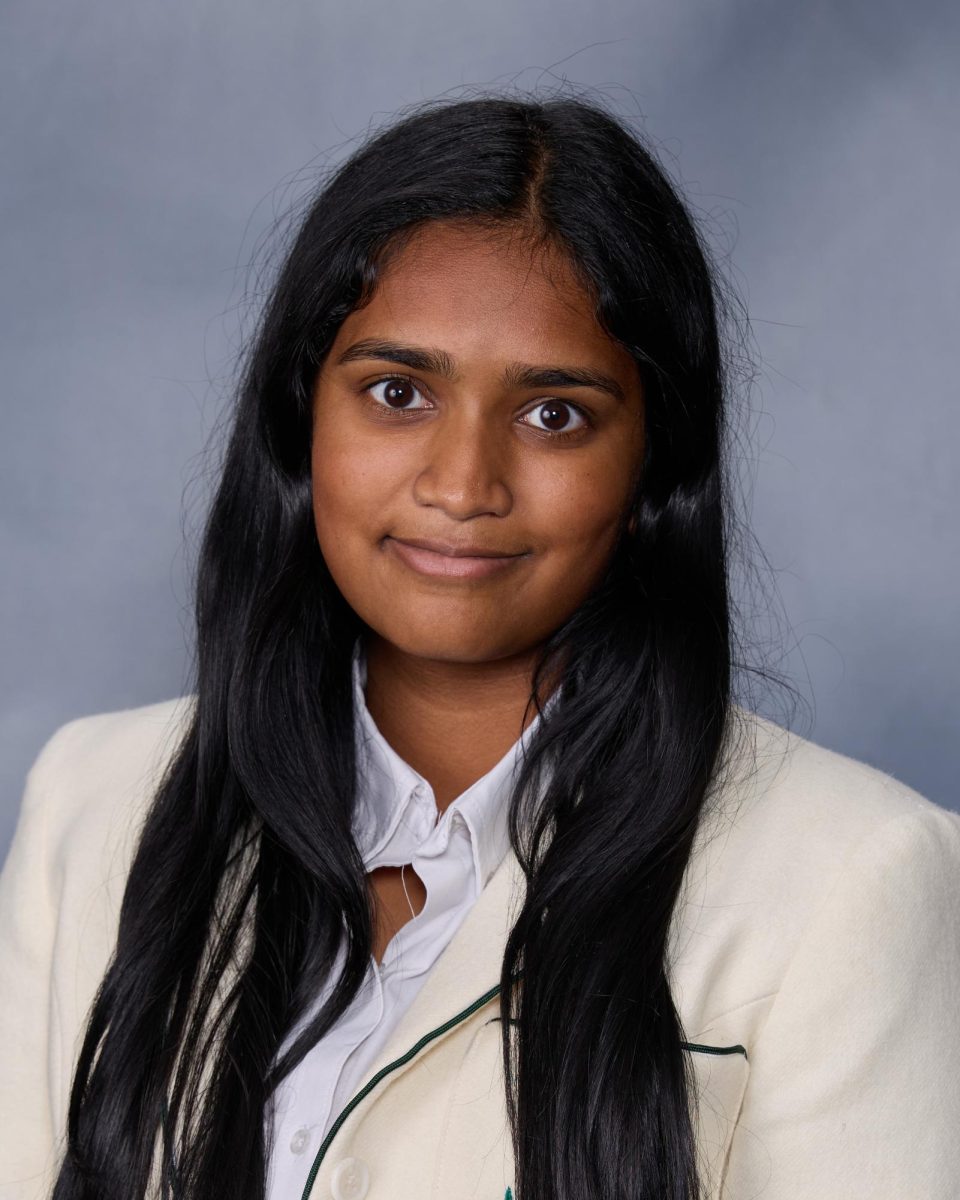
Junior Christine Park, who serves as Affinity Council representative for the Neurodiverse Student Union, says that there is a general lack of understanding around neurodivergence and disability as well as stigma around being neurodivergent.
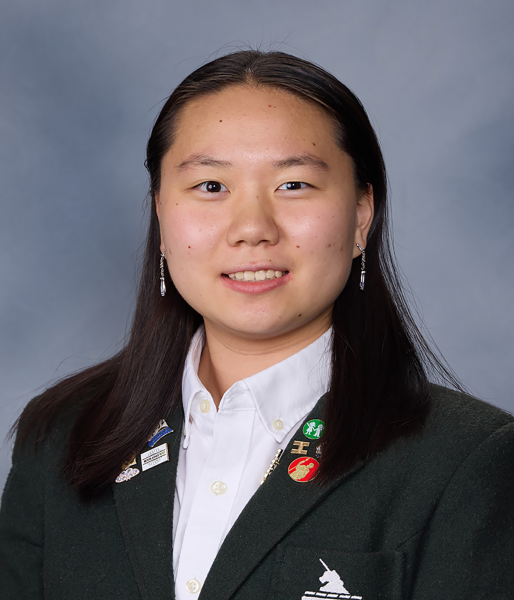
“People are like it’s so lucky or it’s unfair that neurodivergent people get ‘special treatment’, but the unfortunate fact is it can be very difficult at times to be neurodivergent, and not just because of neurodivergent traits, but because of discrimination and ableism in society,” Park said.
Park said that, for example, calling a disabled person ‘special’ or ‘special needs’ may seem more correct, but it is in fact language that can exclude or degrade.
“It sort of ignores the reality of it and perpetuates this idea that like, ‘Oh, there’s something wrong [with] disability,” Park said.
Park says that it is important to remember that disability is part of the human experience; you can become disabled at any time, so it’s important to be mindful about the way you view disability.
“[For neurodivergent people] sometimes solutions to problems are clearer, but I want to emphasize that being neurodivergent isn’t some kind of superpower,” Park said. “I think there’s a common trope in media where the neurodivergent character, normally an autistic or autistic coded person is this genius savant, but it shouldn’t be that a [neurodivergent] person is only valued for their skills, and rather because they are a person.”
Perpetuated stereotypes and ignorant or fearful comments can be harmful for people with disabilities as they are for anyone else.
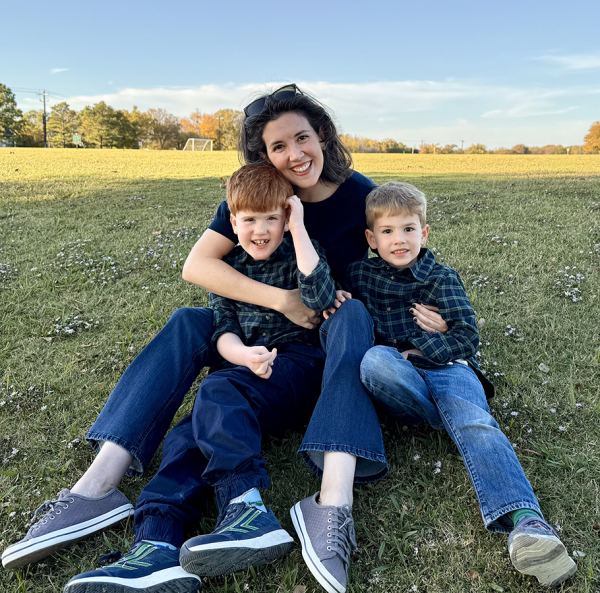
Cothren has personal experience with raising her son, Jaime, who was born with 1p36 deletion syndrome, a rare genetic disorder that leads to developmental, intellectual and physical challenges.
“He seems happy to me, and he’s young, but I worry about his mental health sometimes,” said Cothren. “I see how people interact with him in the world. He’s been lucky to meet a lot of really sweet people who are kind to him, but also, I see how those unfamiliar with visibly disabled individuals sometimes react to him with surprise or talk about him like he’s not there.”
Regardless of how others respond, Cothren is committed to supporting Jaime and helping him feel confident and valued.
“I haven’t done things to prepare him, like warning him what’s out there, because he’s so young, but what I have done is try to give him confidence,” said Cothren. “I tell him all the time how smart he is to the point where he [repeats it back] to me in his talker.”
Cothren emphasizes treating all people with respect, not pity.
“[Respect is] making sure that you talk directly to him as opposed to talking about him,” said Cothren. “He may look like he’s not interacting with you because he doesn’t have eye contact like a neurotypical person might have, but he always hears and understands what you are saying.”
Overall, grace and understanding are key to a more accessible future.
“You can never fully know the reason for someone’s behavior,” Park said. “You never know what’s going on in someone’s life; I feel like you must try to meet people where they are rather than making judgements and assumptions first.”