





















In a world where social media has become prominent, many traditions are changing quickly. With food influencers and social media celebrities publishing cookbooks, cookbook consumerism and the question of what is considered healthy eating is on the rise.
Influencers are creating cookbooks that are lifestyle symbols, and their social media trends are completely reinventing what people think about wellness. Consumers are buying their products to make connections to influencer’s lifestyle.
“For example, Alex Snodgrass, she does the Defined Dish cookbooks, and she has become so associated with an aesthetic that I think having her book is you associating yourself with that aesthetic,” Middle School history teacher Ryan Hobby said. Snodgrass focuses on easy-to-make recipes compliant to dietary restrictions.
But, with all recipes easily accessible online within seconds, this raises the question, why are people still buying cookbooks at all?
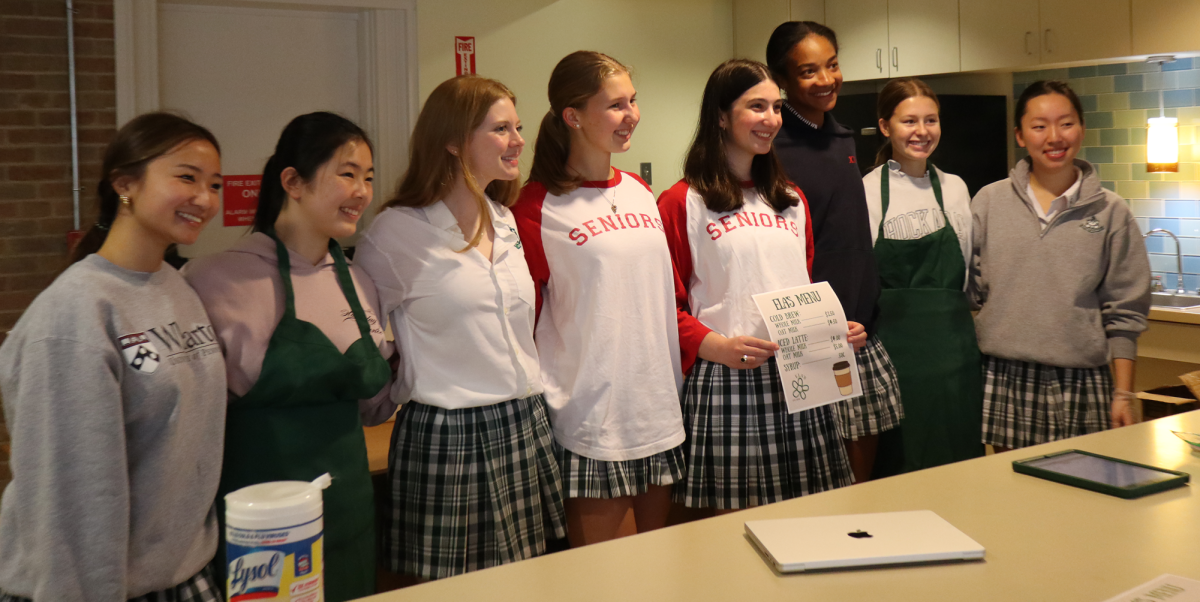
“I think it’s a different experience. I like cookbooks to inspire me, to see the pictures and sometimes there is a history behind it,” Upper School French teacher and the Cookbook Club sponsor Madame Berryman said. “It’s a real pleasure for me to read cookbooks and if I need a recipe it’s easy for me to find them in cookbooks.”
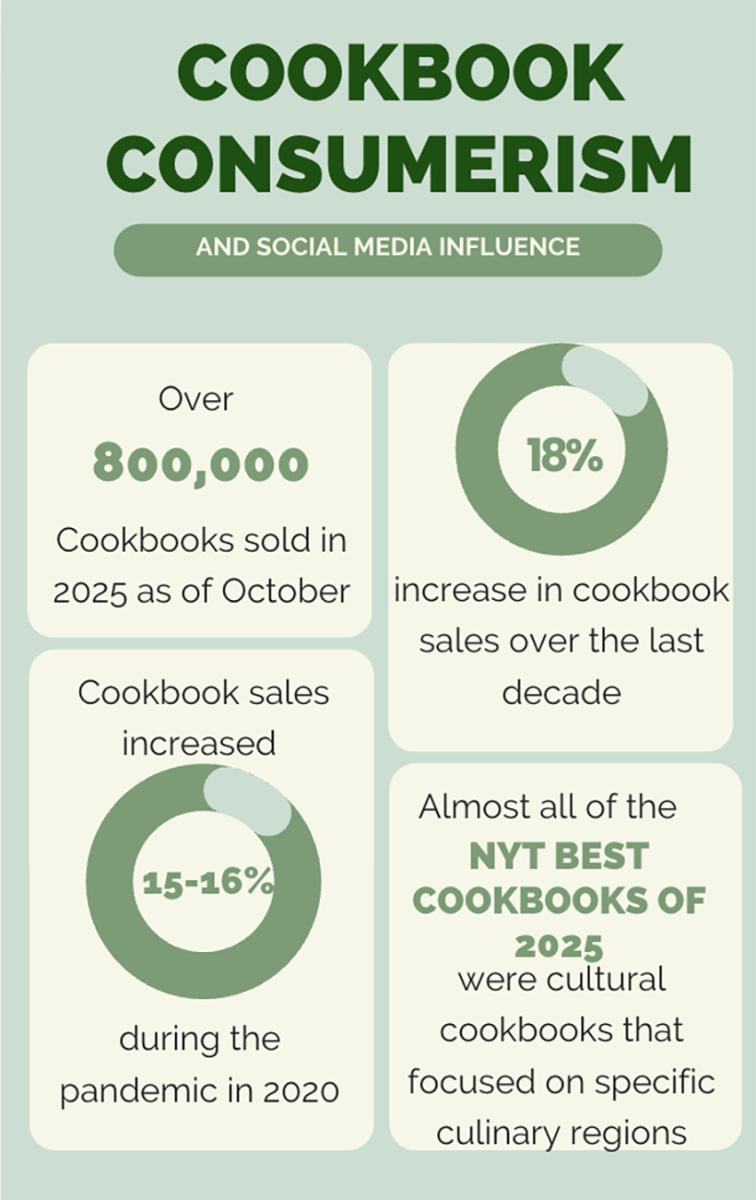
Market analysis shows that cookbook sales have remained strong over the past couple of years and celebrity made cookbooks are among the bestsellers, like the Fat + Flour cookbook, by Nicole Rucker.
“I also just bought the cookbook, Ready for Desert by David Lebovitz, he is an American chef who moved to Paris to work in restaurants and bakeries.” Berryman said. “Cookbooks do provide background on the recipes where you can learn how the chef experienced that recipe. That is why I love cookbooks, because there is a history behind them.”
Cookbooks seem to offer an idea of stability. With information constantly changing online, cooking is a matter that is real and in person. Cookbooks are tactile and offer nostalgic pictures and aesthetics. In a world where trends are constantly changing, are a secure and sustainable thing that stays constant today, tomorrow and forever.
“I definitely think that cookbooks give a sense of traditionality.” Junior and Cookbook Club member, Sara Sakamoto said. “My family is from Japan, and I wouldn’t have all of the recipes that my grandparents cooked if my mom hadn’t recorded them. I think that that is something that makes cookbooks and saved recipes so special sometimes.”
Psychologists have discovered that physical books offer the reader comfort and a sense of control. Buyers are relying on something like a cookbook to give them structure and motivation to cook for themselves. They also can show thought and love put into the dish. Buying a cookbook and then searching for a recipe to make rather than just clicking the first thing they see online can feel so much more rewarding.
“Cookbooks are a good way to preserve recipes from a long time ago. We still use recipes from my great grandmother and cookbooks allow that, giving you connection to tradition,” sophomore and Cookbook Club member Margaret Lewis said.
The thoughtfulness of cookbooks gives people a sense of traditionality that may otherwise be lost in our modern world, like a glimpse into how people lived before everything was online.
“I feel like because cookbooks have to be published you know they have tested the recipes many times, whereas online anyone can post anything they want,” Lewis said.
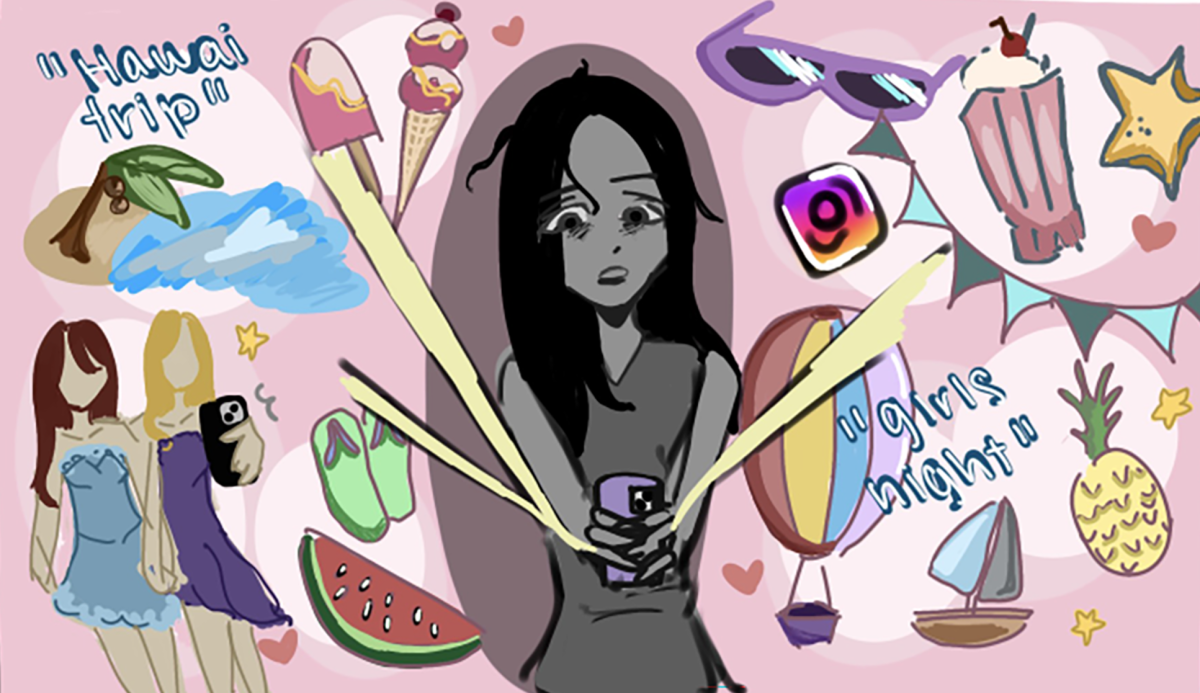
Influencers promote their cookbooks and other recipes online, and while this has a big affect on viewers, social media trends seem to be also taking the web by storm. Social media trends like “girl dinner” and food kits have also changed how food is viewed . With food aesthetic becoming more prominent than nutritional content, presentation and popularity food has sometimes become more important than the actual nutritional value of what people are eating.
“I think that social media really has had a big impact on food, now it just has to look pretty,” Berryman said.
Things like Chamoy pickles, frozen honey and Buldak ramen are just some of the many crazes that social media users have obsessed over. Health and nutritional value is often overlooked by their popularity. “Girl dinners” and snacking plates have also been on the rise, influencing people to focus on the quickness and pleasing presentation of the food, creating low effort and low reward meals that fit right into our modern world.
“A lot of people on social media will talk about health without actually knowing anything about it, which sometimes influences unhealthy ideas,” Lewis said.
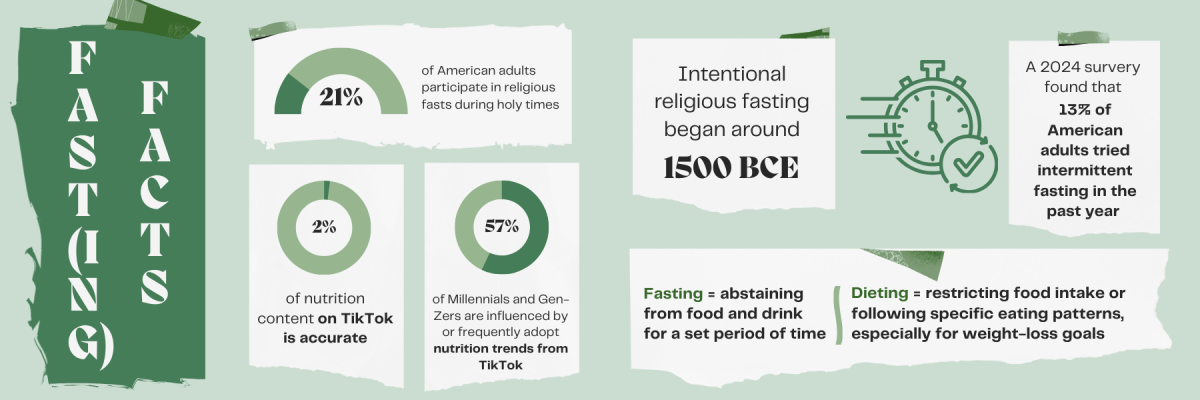
Snacking plates have introduced the idea that eating little snacks can replace the value of eating hearty meals; a tradeoff that disrupts hunger cues and cannot fully suffice for good nutrition. Viewers are so influenced by what they see online that they forget the true value of eating. Popular fad diet meals as are also getting pushed to people through social medial with things like instant weight loss meals and two ingredient dinners making people believe that a balanced lifestyle is achieved differently than it really is.
“Influencers might post a video of what they eat in a day, which might be great for them, but depending on the viewer it may be unrealistic or be detrimental to their health because it may not fulfill their needs,” Sakamoto said.
Influencers are taking a trade of social media engagement and virality for people’s wellbeing and what they are putting into their bodies; it does not just reshape what people eat, but it redefines what health is.
“For social media it is all about the likes, the follows and all of that and so since most people will scroll within a couple seconds the food needs to look good first.” Lewis said. “Different from cookbooks where you can see the nutritional value of the recipe, social media just cares about the appearance.”
