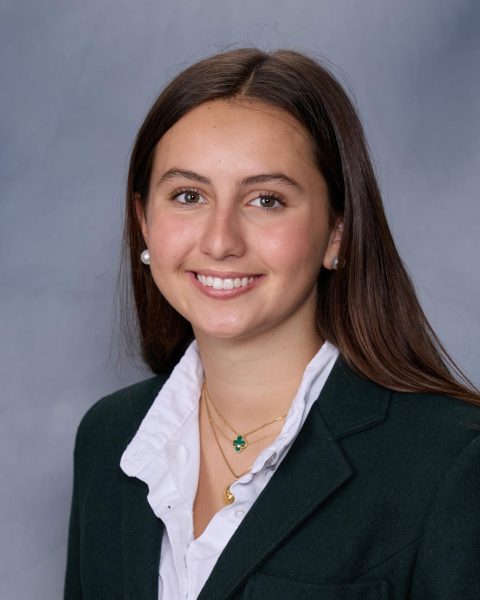





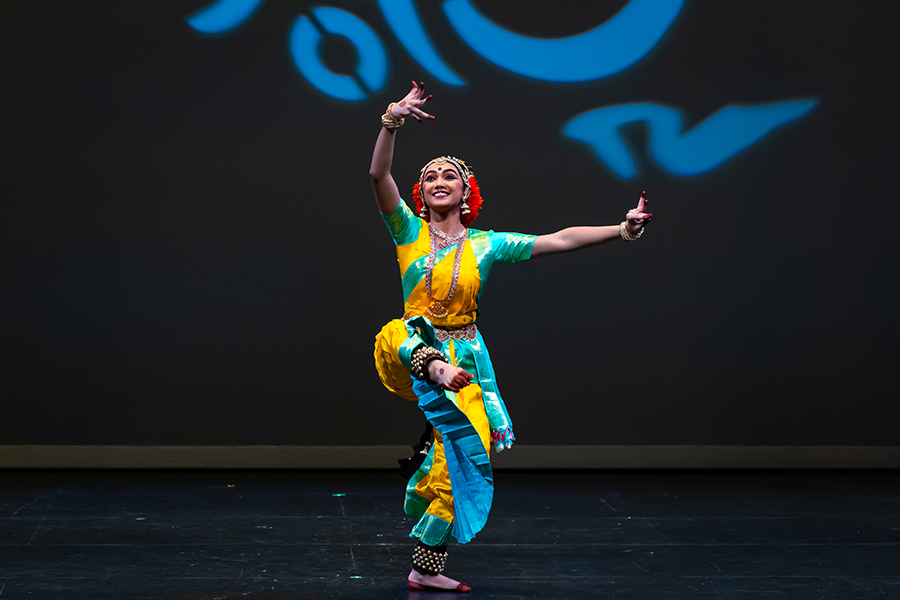






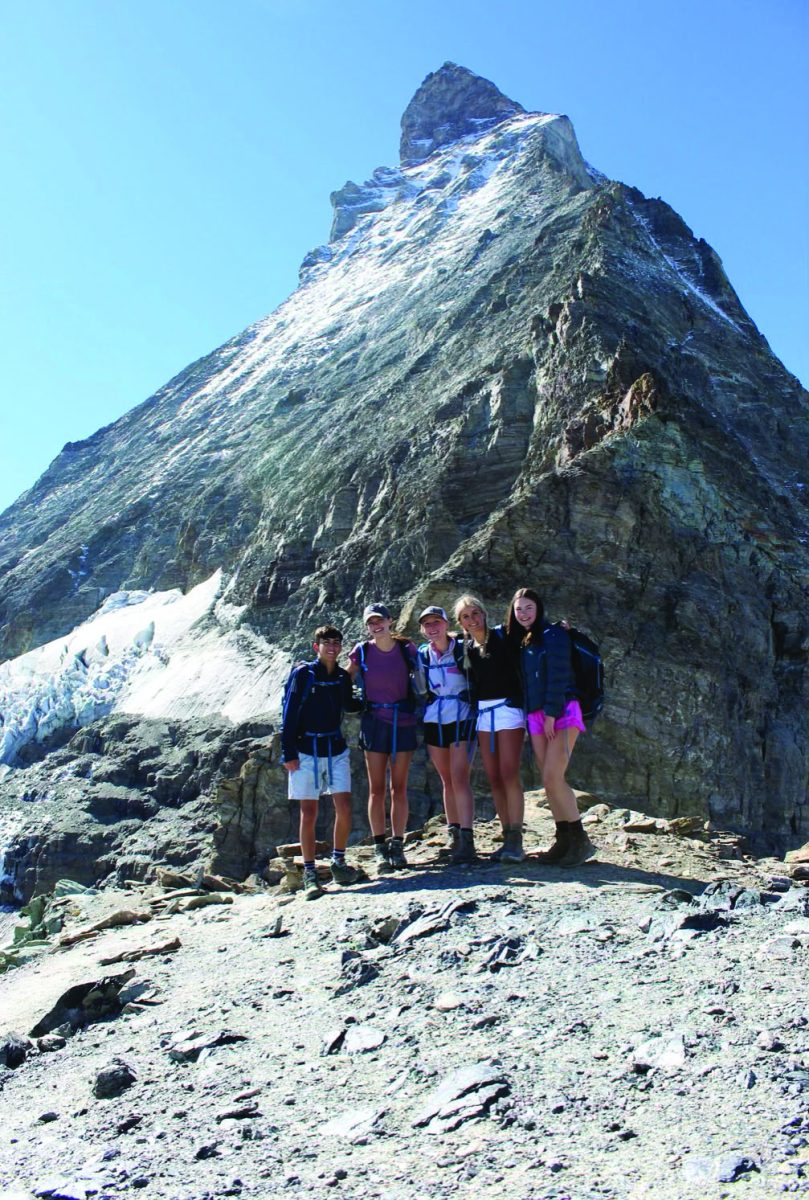


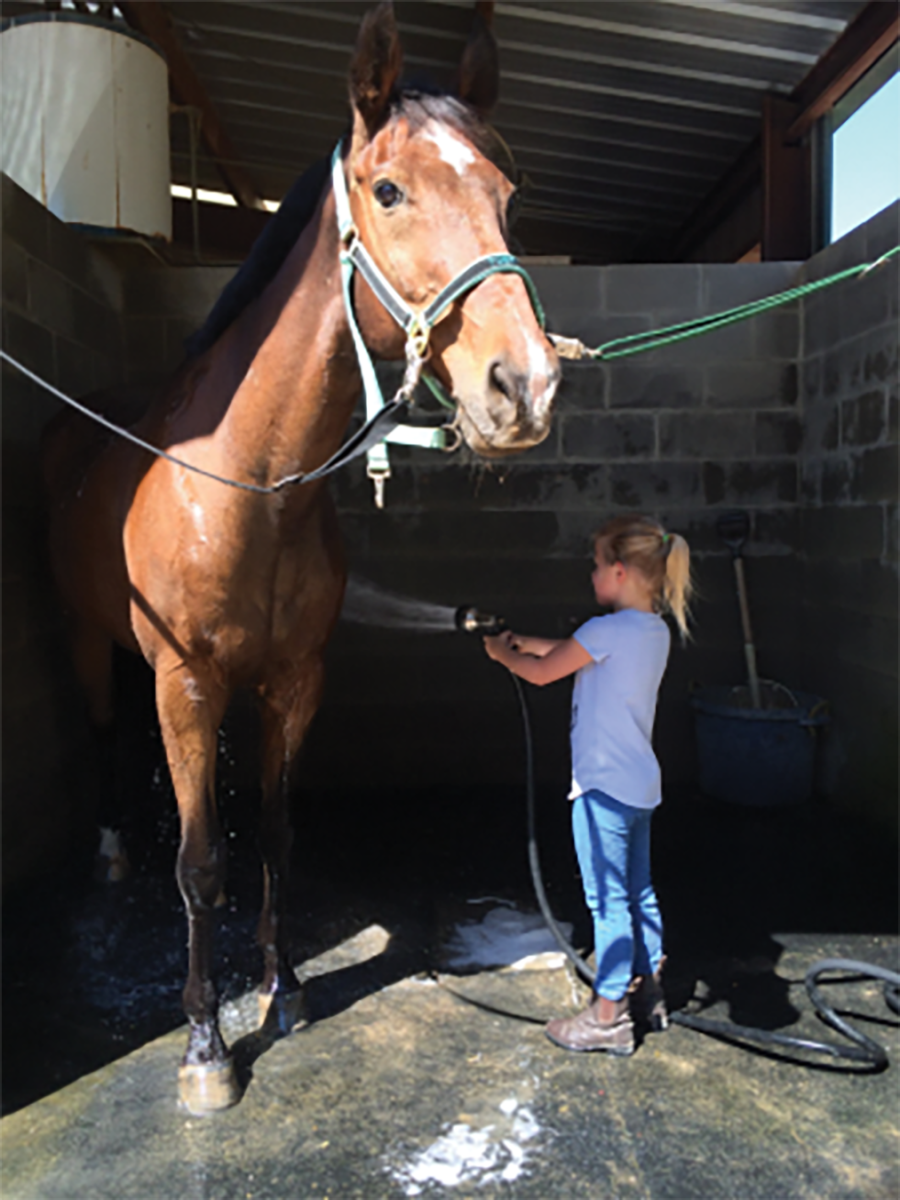

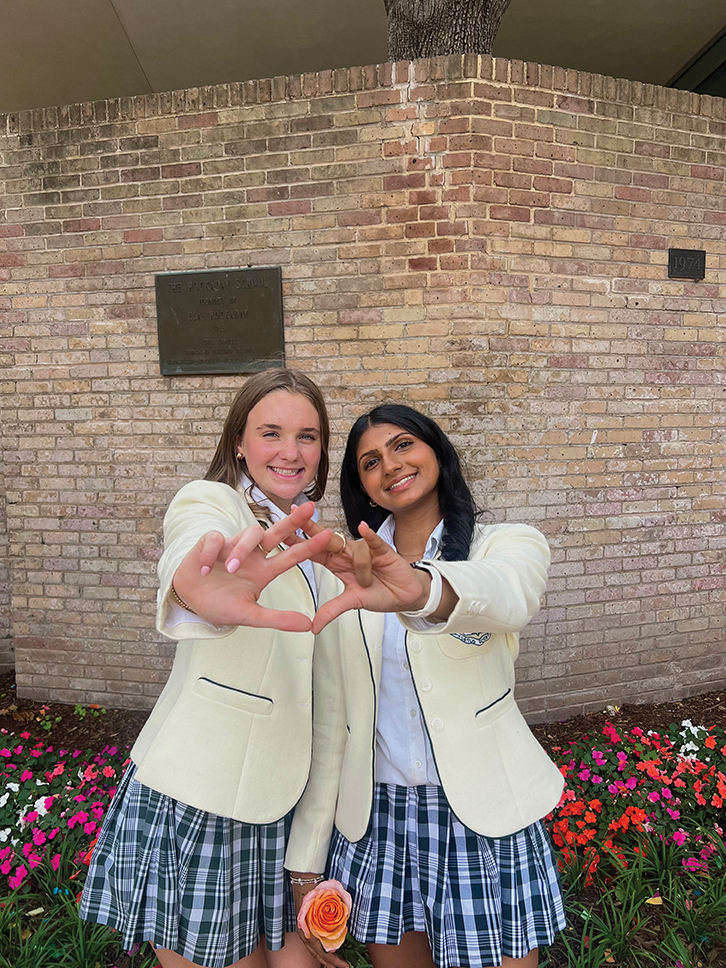
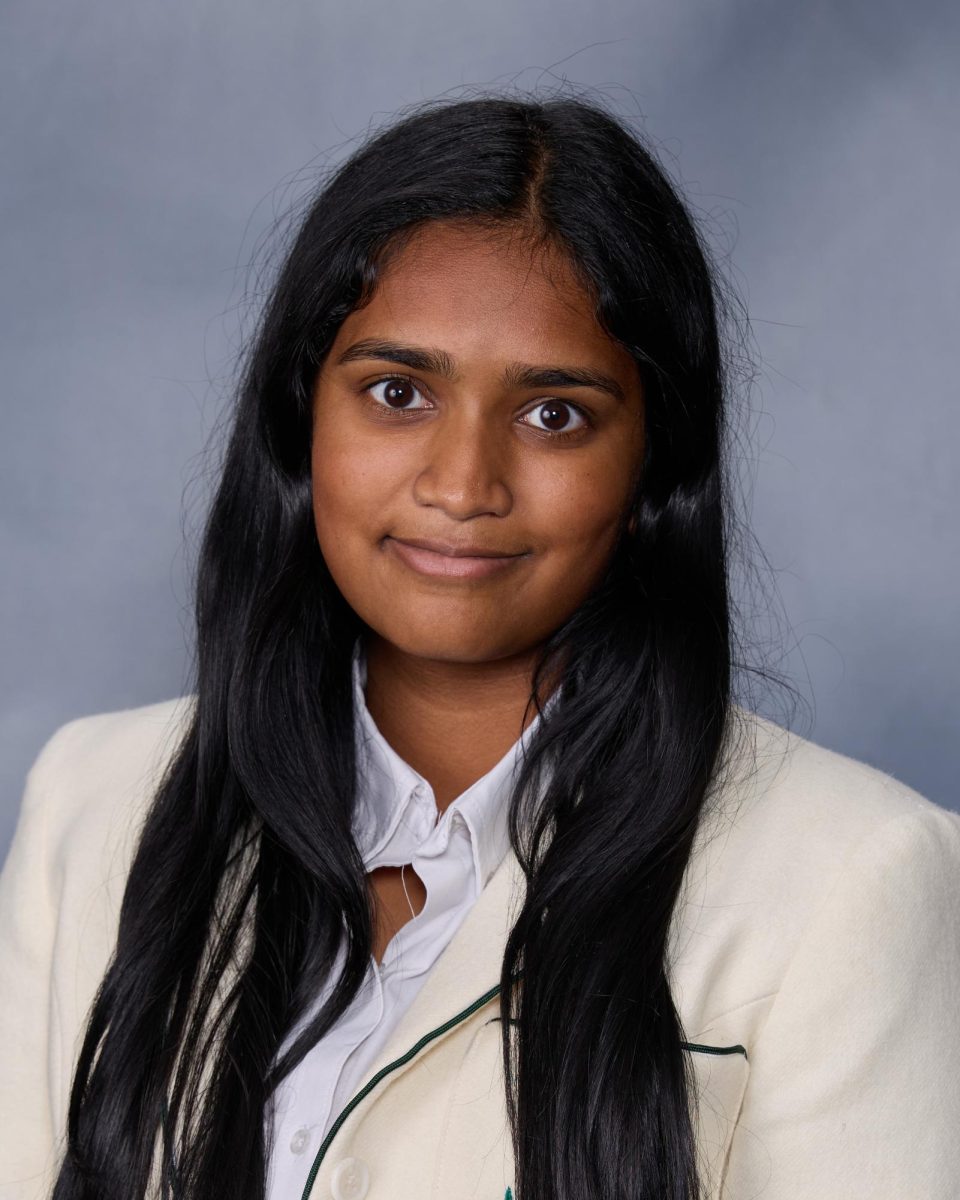





After living and attending school in foreign countries, senior Mimi Davison and juniors Tari Agbeyangi and Masha Ivchenko share a sense of resiliency mixed with a bit of homesickness.
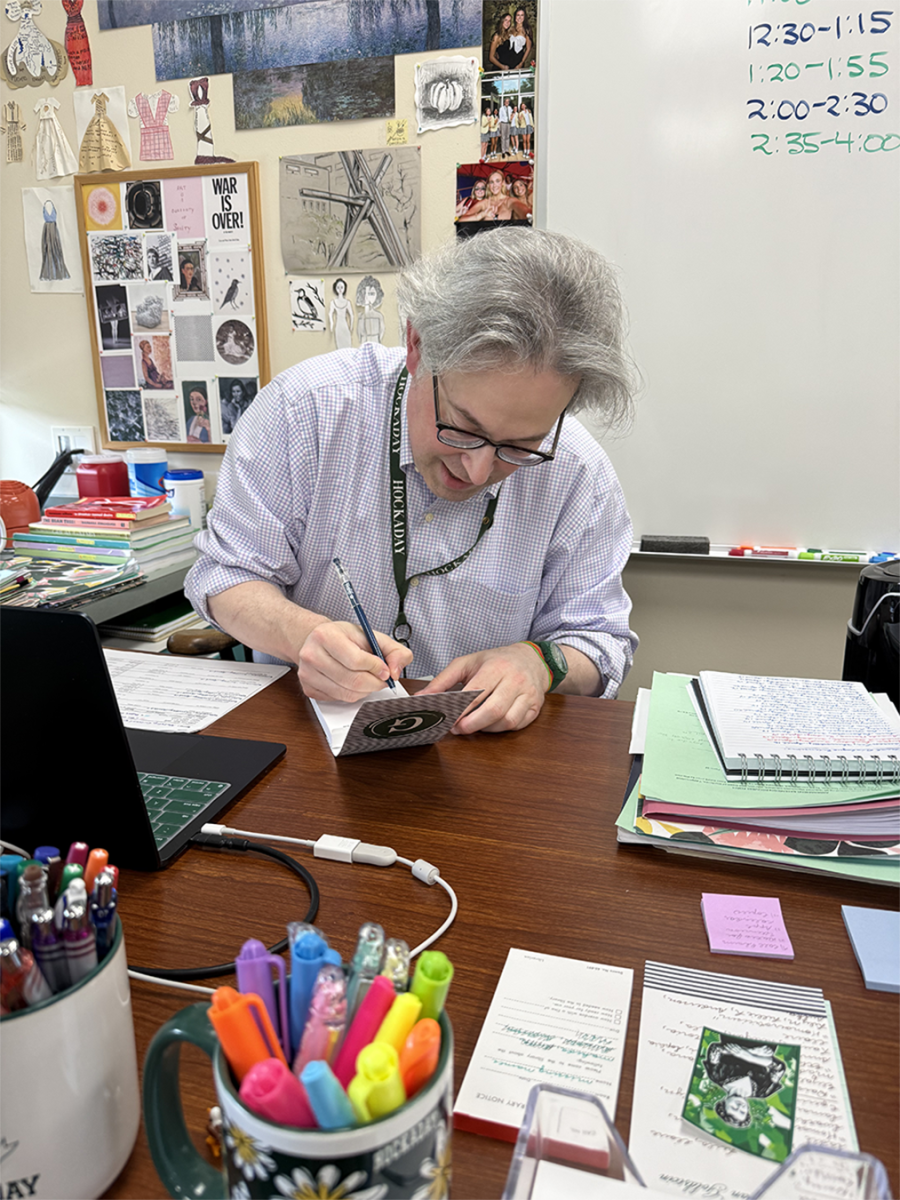
After being born in Australia in 2007, Davison came to America when she was 15 to finish her high school years at Hockaday. A lot of things were surprising upon her arrival here, specifically about life as a high schooler.
“I feel like American school culture is very different not just in terms of things like football games, but it’s way more competitive,” Davison said. “School here is much more focused on academics, but in Australia, school culture surrounds athletics.”
Moving to another country is a difficult task, but some Americans made this transformation much easier for Davison.
“Everybody in America is really friendly, and everyone at Hockaday is so lovely,” Davison said. “But, there are also many Australians in America.”
Davison still misses some aspects from home, despite a community of Australians in Dallas.
“I feel homesick mostly about the little things, like for example Australian food such as acai bowls,” Davison said. “Also just walking around and hearing other people have an Australian accent.”
Davison’s openness to trying new things helped her most during this transformation.
“One of the biggest things is just to say yes to everything,” Davison said. “Try everything new [and] meet all different people even those you wouldn’t normally talk to or have a conversation with.”
Agbeyangi was born in the United States, lived in Nigeria for 12 years and then lived in the United Kingdom for two years before moving to Dallas to attend high school.
This experience of moving between countries has shaped Agbeyangi’s adaptability to new environments.
“It’s definitely taught me how to get used to things really quickly,” Agbeyangi said. “Especially when I have a big change to get through, it will be fine because I’ve gone through this before and I know how to adjust easily.”
Agbeyangi experiences slight homesickness about the countries that she has lived in in the past and the people who still live in those countries.
“I miss London a lot because I miss my friends,” Agbeyangi said. “And I miss Nigeria because I miss my Dad.”
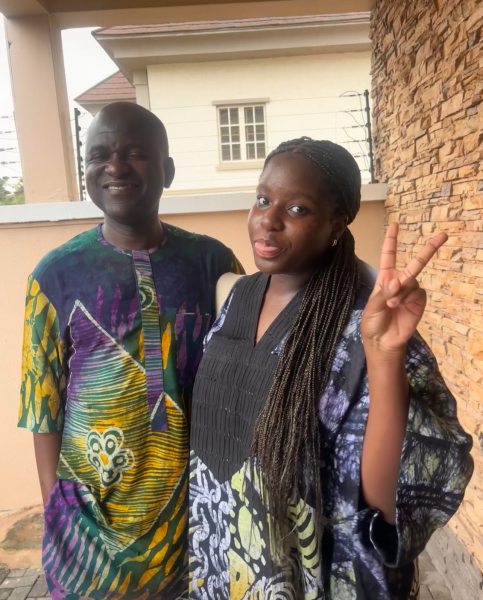
To deal with this, Agbeyangi has found comfort in her support system at Hockaday.
“My friends are definitely the biggest help when I feel sad,” Agbeyangi said. “And always knowing that I do eventually go back to visit. So something that is helpful is just looking forward to those trips and thinking about how far away they are.”
As for culture shock here, Agbeyangi mainly felt it with school and transportation.
“If you pay attention in class [in London or Nigeria], you’ll be fine, but here, a lot of the testing is application,” Agbeyangi said. “Also, the number and dependency on cars in the United States is shocking because in London and Nigeria you can walk to places, but here you need a car to do anything.”
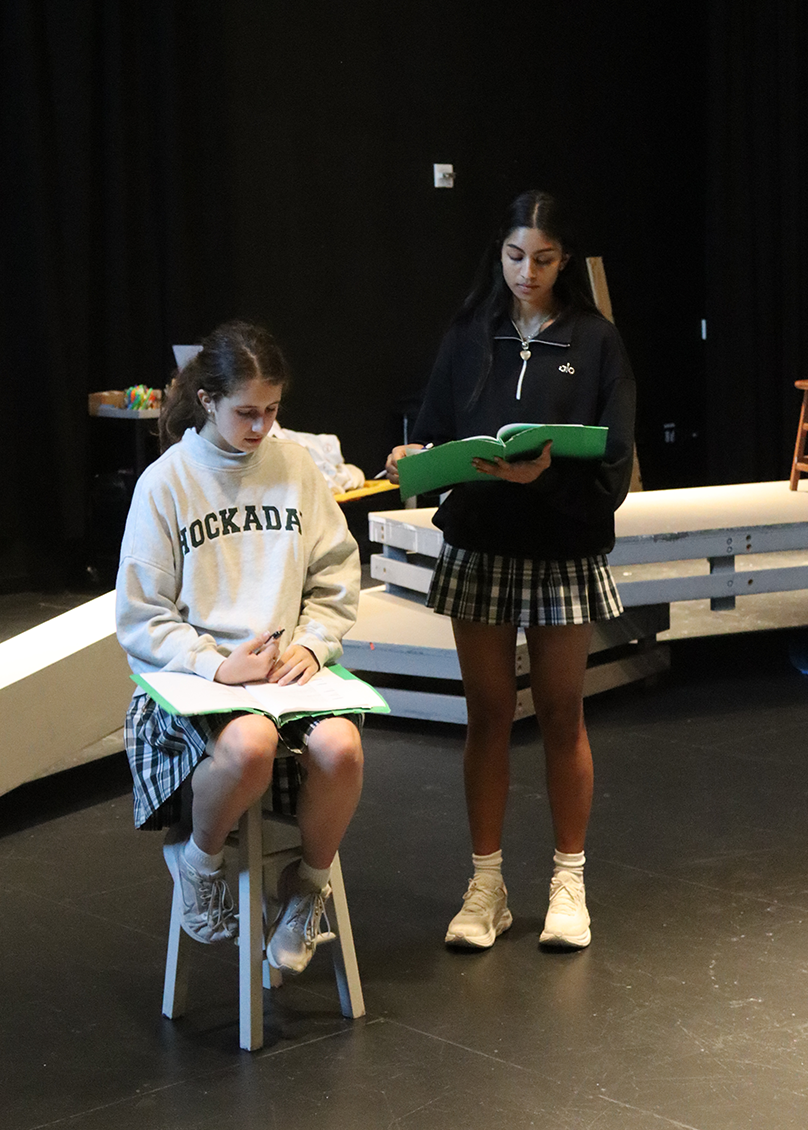
Ivchenko moved to the United States from her home country Ukraine in freshman year.
One of the times when she felt the biggest cultural shock was when she was talking to a lady in a fast-food shop.
“In Ukraine, small talk is uncommon, but in the United States, many people begin conversations with ‘How are you?,’” Ivchenko said. “So, when this lady [at the fast food shop] asked me that, I proceeded to tell her about my day because I didn’t realize that the intention of the phrase was really just to be polite.”
Ivchenko’s experience when she first got to the United States was not easy, but it taught her many things such as how to be resilient and adaptable.
“Moving here was the scariest thing in my life,” Ivchenko said. “I didn’t know American culture, people or the English language very well. Stepping out of my comfort zone and exploring a totally different country taught me that adaptation to certain situations is one of the key factors to succeed.”
One of the hardest challenges that Ivchenko has had to work through in the United States is learning English.
“I used to get very upset at the inability to explain and express myself in English as I would do so in my native language,” Ivchenko said. “But I pushed myself to practice even if I felt doubtful or embarrassed at the time. Thus, my persistence gradually helped me in becoming more confident in my ability to communicate, like holding discussions in my English class.”
Through it all, Ivchenko has managed to grow, learn and become incredibly strong.
“Ultimately, adjusting to a new country takes time and tremendous effort,” Ivchenko said. “But a positive mindset will guide anyone to improvement.”