

























Students of all ages anticipate the arrival of summer vacation. The break serves as a breather from the daily stresses of the school year, offering time to relax and recharge. However, summer can introduce a different kind of stress. With internships and jobs in high demand, many teens feel pressured to pack their schedules as much as possible.
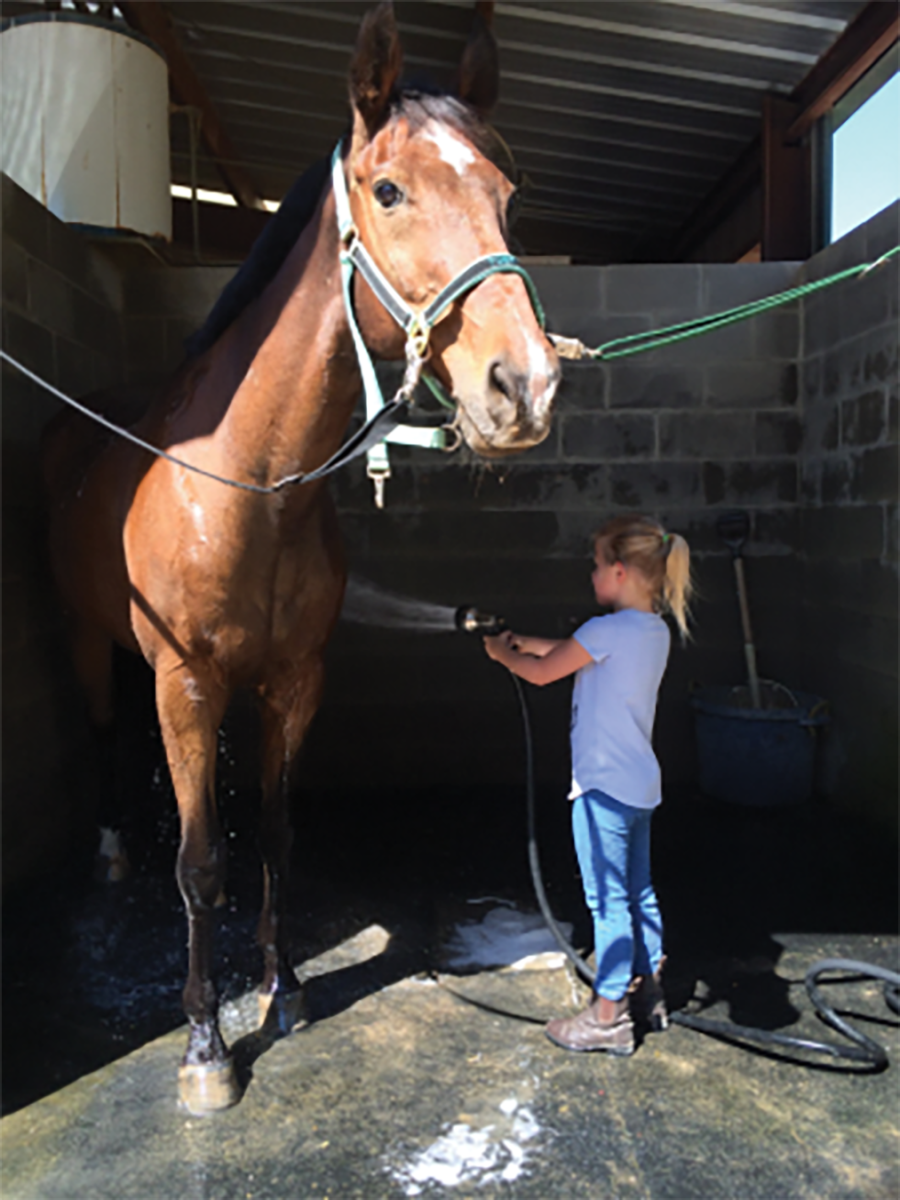
For sophomore Emory Daniel, a typical summer week is filled with lifeguarding, coaching swim and giving private lessons. The time spent with her friends, younger kids and the outdoors is both refreshing and fulfilling.

“I love working and being busy,” Daniel said. “Being busy helps me feel more relaxed. If I have nothing to do, I get kind of antsy and feel like I should be doing something.”
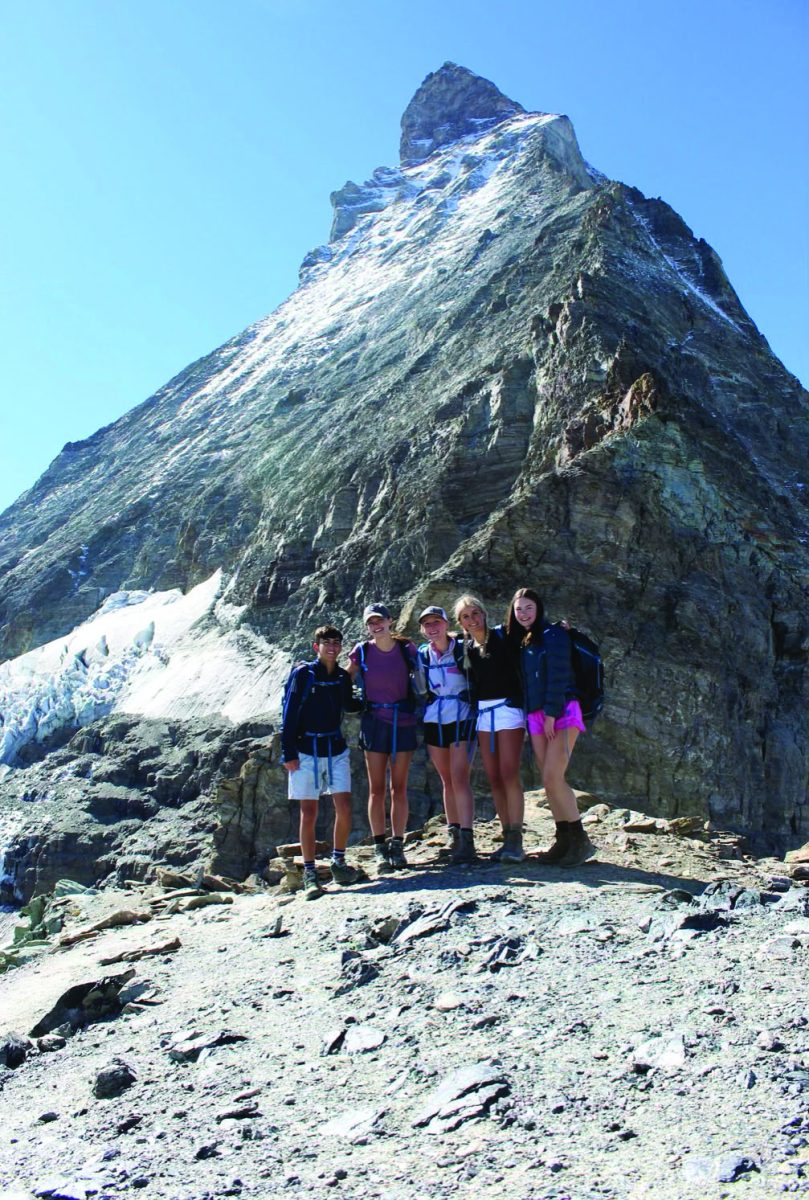
When she’s not working, Daniel enjoys biking and hiking, activities she said help her avoid the loneliness that can surface during the summer.
“It is so easy to get isolated, and it’s so easy to do nothing,” Daniel said. “Being proactive about sending the text to go hang out, or being purposeful about spending your time is something that really helps me mentally during the summer.”
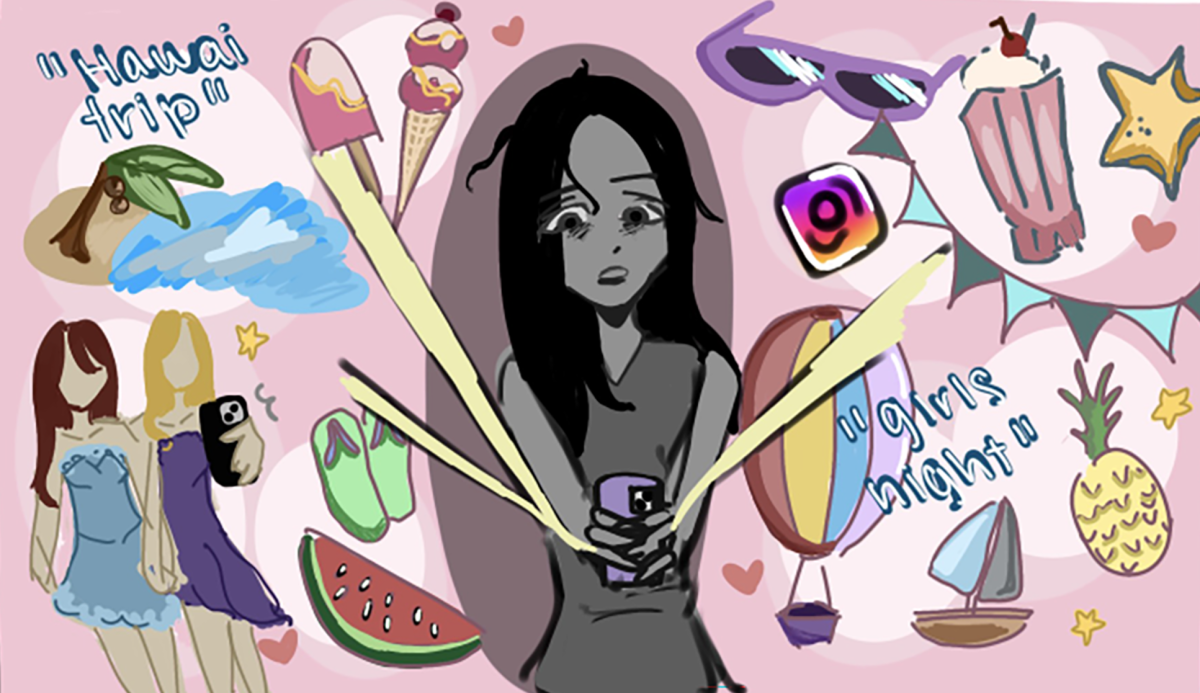
Staying “purposeful” can be difficult when the constant presence of social media serves as a reminder of what others are doing. Sophomore Adrienne Ruiz says that exposure to social media can amplify feelings of isolation.
“I feel like you spend more time alone with your thoughts over the summer, and it can cause you to start to spiral or overthink everything,” Ruiz said. “Especially on social media, if you’re seeing all your friends’ stories about their cool trips and hangouts, it makes you feel more alone.”
To counter that, Ruiz tries to recreate the structure of the school year by making a daily itinerary of activities to do with her sister.
“I like the school year more because I have a schedule and know what I’m going to do hour by hour,” Ruiz said. “During the summer, I feel like I lose that kind of structure that school sets.”
The lack of structure reflects a broader challenge many students face once the routine of school disappears.
A study from 2025 published in the American Journal of Lifestyle Medicine shows how a shift from a structured to unstructured daily routine can be detrimental to one’s health, causing disruptions in sleep, declines in physical activity and worsening mental health.
Clarissa Fuentes ‘19, a medical student who graduated from the University of Notre Dame with a degree in Neuroscience and Behavior, emphasized the importance of maintaining balance in the summer.
“I think there’s a different kind of stress during the summer,” Fuentes said. “Instead of stress for academic performance, it shifts to feeling like, ‘I’m not doing enough,’ which is unfortunate. Summer should be a time for relaxing and enjoying not having to worry about school.”
Fuentes also highlighted the risks of increased social media use. According to the American Psychological Association, teens spend 4.8 hours on social media a day on average. Without the structure of the school year, that time can increase significantly over the summer.
“Don’t underestimate the value of your experience,” Fuentes said. “Comparison is the thief of joy. Everyone has a different path in the summer, and the perspective of how you are viewing other’s experiences is really impactful on your mental health.”