



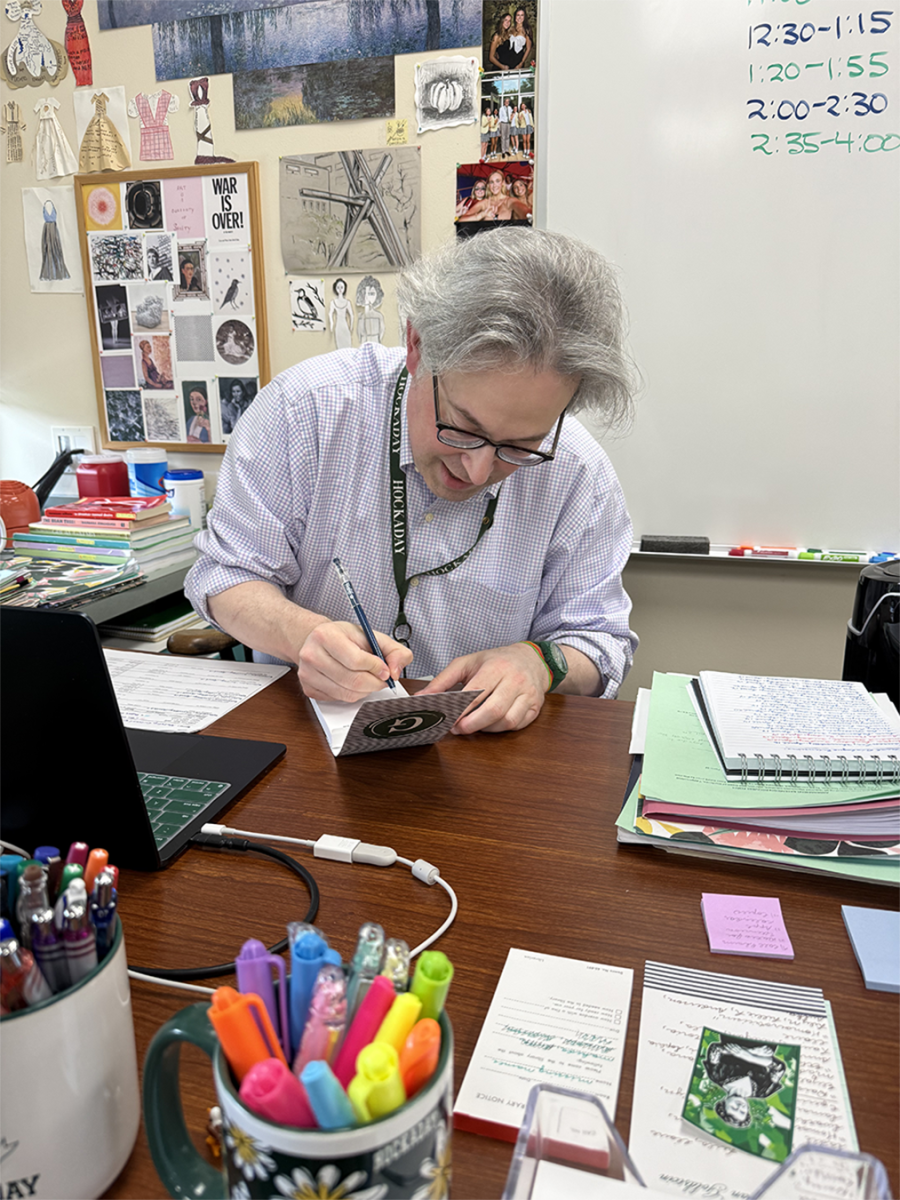













Two WIN periods a week, students have access to a very special opportunity, where they walk in excited to learn amidst a casual backdrop of music, literature and language. This experience is a result of Upper School French teacher Chérine Chlone and Upper School History teacher Dr. Wesley Lummus’s two weekly language learning initiatives, both new this semester: La Table Française and Kalaam Gamiil.
La Table Française, which meets on Day 2 in Chlone’s room, is designed for students to practice their conversational French, and Kalaam Gamiil, which meets on Day 4 in Chlone’s room, is designed for students to learn basic Arabic. Both are completely accessible to beginners and often have around five to fifteen students in attendance. Both Chlone and Lummus have been interested in starting something like it for a very long time.
“This idea has always been on my mind, but I always felt that I needed the right time and right person to make it work,” Chlone said. “Dr. Lummus and I both share a passion for language and sharing ideas, and I felt he would be the right person to partner with to start this.”
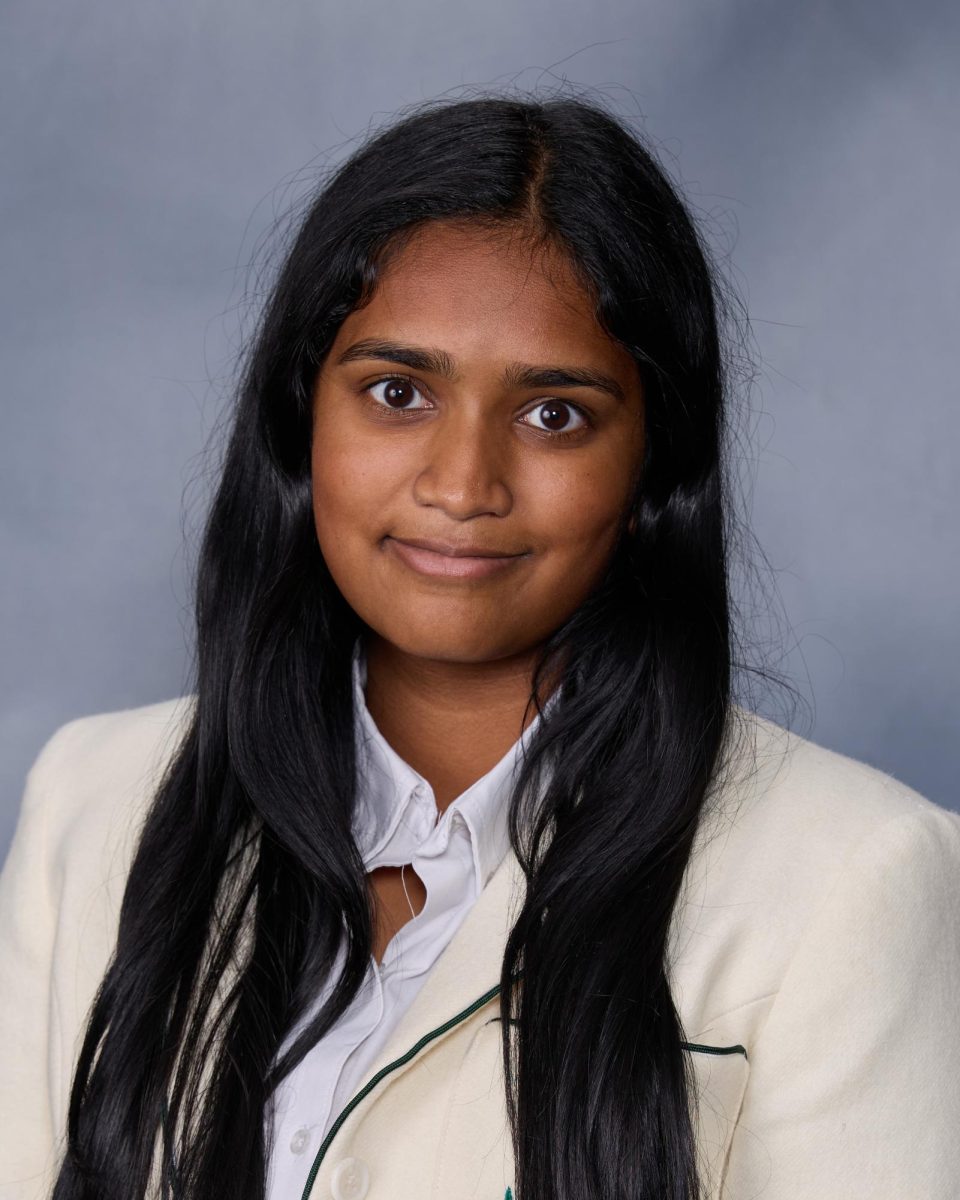
Chlone, who grew up speaking French and Arabic and is fluent in both languages, has a strong passion for and connection to what she teaches.
“Though I have a very pedagogical experience with language, it also represents love, nostalgia, passion and a way to connect with my roots and family.” Chlone said. “Growing up speaking both, I always felt that these languages were already connected in many ways, culturally and linguistically.”
Lummus, who majored and got his Ph.D. in Middle Eastern history, has an innate connection to Arabic.
“One of the requirements for my major was to learn Arabic,” Lummus said. “I’ve worked with Arabic-language sources in the Istanbul historical archives, and I’d say I’m at an upper intermediate level.”
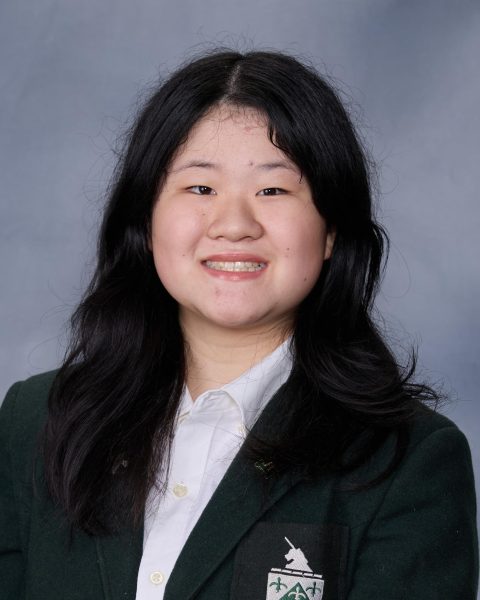
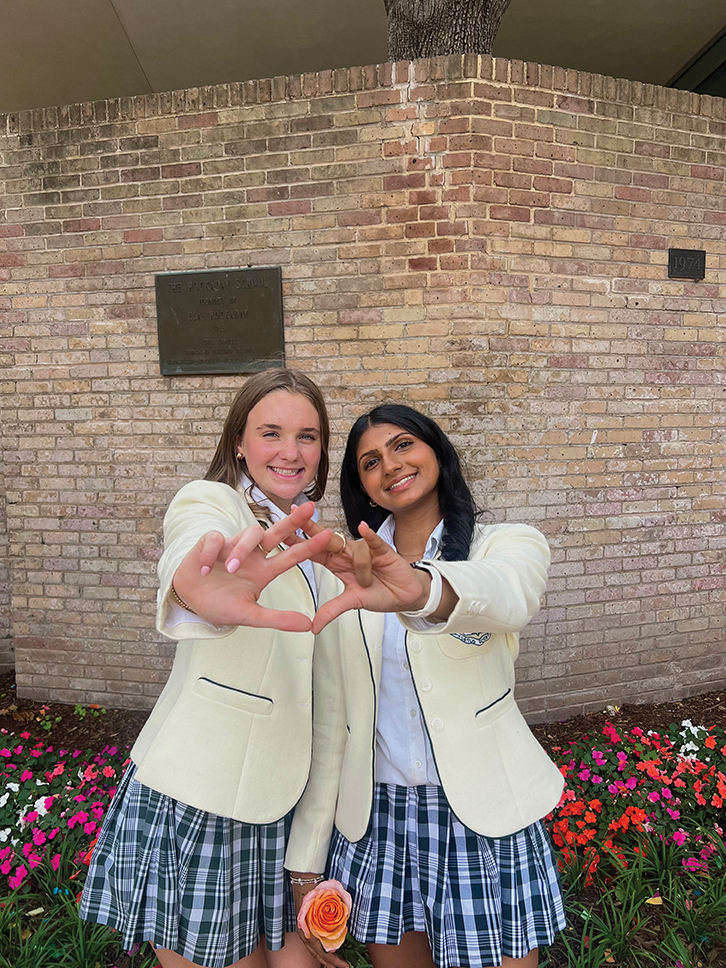
Senior Sharika Mandyam, who’s attended every Kalaam Gamiil meeting, really enjoys how the activities are ultimately guided by student preferences.
“A lot of us love listening to Madame Chlone’s Arabic songs, so we do that every single time, and we even made our own playlist outside of class,” Mandyam said. “But the teachers are always open to suggestions and changing it up based on what we want from day-to-day.”
Senior Isabella Luo, who attends Kalaam Gamiil meetings with Mandyam, believes these opportunities have helped her familiarize herself with both a new language and new faculty members.
“I started at a beginner level, but it’s been great learning a new language and being around teachers who are genuinely passionate about it,” Luo said. “They get really excited, and that makes us excited.”
Though the linguistics may be new, Mandyam finds the experience incredibly fulfilling.
“Even though Arabic is really different from English, I’ve liked learning about a different alphabet that’s not offered [at Hockaday],” Mandyam said. “We recently started practicing writing and reading, which has been really cool.”
Yet beyond the Arabic language, students are also immersed in Middle Eastern culture and literature.
“We recently read a story about a trickster named Juha who’s popular in Arabic folktales,” Luo said.
Senior Chloe Oeschger, who attends both La Table Française and Kalaam Gamiil, finds that they help her in different ways.
“Since I’ve taken all the French classes I possibly could here, these weekly meetings help me retain my French in a casual way,” Oeschger said. “For Arabic, it’s just been pretty fun exploring a new language with other people.”
La Table Française places a special focus on cross-country conversation.
“We talk a lot about what’s going on in France to stay up to date with French events,” Chlone said.
Similarly, Kalaam Gamiil seeks to help students develop basic Arabic speaking skills.
“At the first meeting, we started with basic conversational phrases and ever since then, we’ve also been practicing conversation and the alphabet alongside other activities,” Mandyam said. “Everyone’s incredibly supportive of each other.”
Above all, Chlone aims to help students immerse themselves in the cross-cultural connections these programs serve to foster.
“There are so many connections that already exist in a lot of languages and cultures,” Chlone said. “Many of my students tell me about the similarities between the different languages they know and what they’re learning with us.”