




































As meat prices rise and environmental concerns grow, students are pushing for expanded dietary options and strengthened sustainability efforts from Sage Dining Services. Because meat has become increasingly expensive, Sage must allocate more of its budget towards meat entrees, often leaving fewer resources for plant-based options and environmentally ethical choices. This financial pressure contributes to the limited variety of vegetarian, vegan and gluten-free foods, resulting in fewer options for students with dietary restrictions.
Sophomore Magic Cather has been gluten-free and vegetarian for most of her life, leading her to acknowledge the disparities in meals offered to students with food restrictions.
“There are options, but they’re not equal,” Cather said. “The staff is amazing and they’re always trying to help, but there’s always a meat entree while the backup option is something that’s not really appealing.”
Cather said she feels her dietary needs are secondary compared to other students.
“By the time I get through the line, there’ll be no gluten-free things left and I have to wait a long time,” Cather said. “Sometimes lunch is basically over by the time I sit down.”
Cather’s experience reflects the concerns of many students with dietary restrictions. In response, the Sage Food Board is actively working on increasing the variation of food options, especially for students with food restrictions.
Senior Sophie Zhan, Sage Food Board Chair, said the board’s overall mission is to make Sage’s menu more accessible.
“We mainly focus on making sure the food is inclusive to all students,” Zhan said. “This year, we wanted to focus on dietary restrictions. Specifically, we’ve been trying to work on brainstorming protein options for vegetarians and vegans.”
Zhan said the frequency and abundance of certain items is limited because of varying prices.
“The increase in meat prices have definitely affected Sage,” Zhan said. “From my observations at lunch, there’s a lot more chicken in comparison to red meat, which is more expensive.”
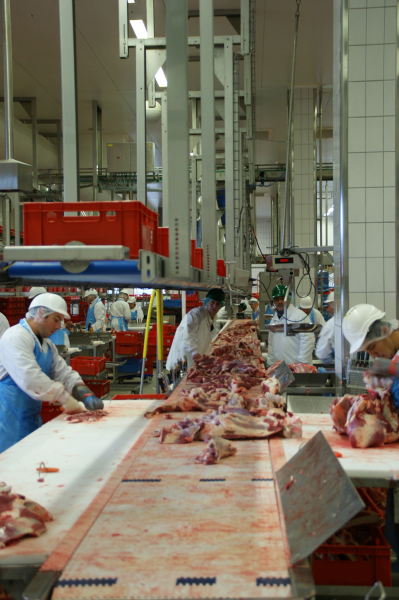
The meat industry also has significant environmental consequences. According to the Food and Agricultural Organization of the United Nations, livestock accounts for a notable share of greenhouse gas emissions, most of which are due to released methane from cow digestion, the decomposition of manure and the energy required to grow and transport feed.
Senior Mimi Davison, president of the Environmental Board, points out that meat-related environmental issues extend beyond carbon emissions.
“The environmental impact of meat is so extensive,” Davison said. “Livestock is one of the biggest contributors to deforestation in the Amazon and species extinction.”
To address environmental concerns, the Environmental Board is planning to implement Meat-Free Mondays, where students take a voluntary pledge not to eat meat.
“When most students at our school eat meat every day and don’t really think about it, it’s hard to reduce Sage’s meat usage without receiving any consequences or negative feedback,” Davison said. “Increasing plant-based meals gives more visibility to people who don’t eat meat, and the environmental benefits that come with it.”
Although meat options present sustainability challenges, Davison points out that Sage continues to implement sustainable practices in other areas of daily operations.
“Sage often works with local and the Lower School farms to source vegetables and fruits,” Davison said. “Right now, we’re working with Sage to create more of a sustainability-focused background for meat.”
Davison said solutions such as Meat-Free Mondays and increased plant-based foods can create a more inclusive and environmentally friendly environment.
“Making not eating meat an integral part of the school environment gives more visibility to the people who don’t eat meat and [increases] the environmental benefits,” Davison said. “It’s important that we all make choices that are more reflective of that.”