


























We’ve been told to flee from aluminum deodorant, Tylenol and even vaccinations. TikTok, Instagram and Snapchat users can easily publish anything, and people will believe it is true. Health misinformation has become more common. Amid this constant flow of inaccurate information pushed over social media, what can we believe?

Board certified physician and social media medical personality Dr. Mikhail Varshavski, also known online as Doctor Mike, is a primary care physician at Catham Family Medicine in New Jersey. He reacts to pieces of health “advice” on social media and confirms if it is true or not.
For years, the idea that aluminum deodorant is harmful has circulated the media. Dr. Tarek R. Pacha, who claims to be a functional urologist and surgeon, posted a TikTok Video that called social media users to stop using aluminum deodorants for “health reasons.”
“Conventional brands like Dove, Old Spice and Secret contain aluminum, which is a known neurotoxin,” Pasha said in a video post. “A natural and cheap alternative? Take a lemon, cut it in half. Rub it under your arms. A half a lemon can last up to a week. A bonus tip, if you eat cleanly, you won’t have as much of a body odor.”
Varshavski clearly debunked the misinformation propagated in this video. TikTok videos like this can easily affect impressionable social media users. In his YouTube video, Dr. Mike showed himself searching on Google to see if aluminum deodorant is a neurotoxin, is real. A quick search and look at reputable sources proved that this is a myth.
“It’s so easy to just, before you make the little, short clip, Google it,” Varshavski said. “See if deodorant has aluminum in it. It doesn’t. It’s that simple of a Google [search].”
Another common piece of misinformation spread on social media involves hydration. Varshavski reacted to a TikTok Video where a creator stated that drinking tap water will not adequately hydrate the body.
“If you are drinking plain water, then you are probably not properly hydrated. Often, if you are just drinking tap water, you can deplete your body of electrolytes and minerals,” the creator said. “Tap water can be filled with a lot of extra added weird stuff.”
In his YouTube Video, Varshavski responds to the video by calling out its lack of evidence. The creator of the video is not medically trained but is presenting information as if she is and further spreading medical propaganda that is already very prevalent on TikTok especially.
“We have organs to clean out ‘weird stuff,’” Varshavski said. “Unless you’re sweating a lot, you don’t need significantly added electrolytes. In fact, most people are overconsuming electrolytes, aka sodium, in their diets.”
Varshavski points out to his viewers that the idea of social media creators pushing unnecessary “medical practices” as necessary can bring along much more bad than good. Influencers ultimately will always influence others, but we must remain incredulous about the “health tips” they recommend and examine their qualifications to give us “advice” that could potentially hurt us.
“I don’t want to be mean, but this is just so inaccurate and terrible,” Varshavski said in a recent video post. “If they said this is delicious and tasty, that’s one thing, but they’re making health claims that are untrue.”
Dr. Mildred McAfee, a Dallas internal medicine physician, has similar concerns about medical misinformation in social media spheres. As a board-certified internist working at Baylor Scott & White’s Dallas Diagnostic Association, she sees patients daily who seem to trust social media more than her medical expertise.

“I had one patient who stopped all of her medications, diabetes, thyroid, blood pressure medicines because, as she told me, they say that these medicines are bad for her,” McAfee said. “She couldn’t tell me where she read it.”
Medical misinformation can have serious effects on health. McAfee’s patients who stop taking their medications often see labs rapidly change for the worse.
“Oftentimes, when their lab results come back and they are out of control, I will show them that these things that they have been doing clearly have not been working because their diabetes, cholesterol, or thyroids are out of control,” McAfee said.
Supplements that are not approved by the FDA are also frequently promoted on social media. The idea that something is “natural” attracts interest.
“I have patients that will trust what they see on TikTok over something that’s been FDA approved because they feel like it’s ‘natural’,” McAfee said.
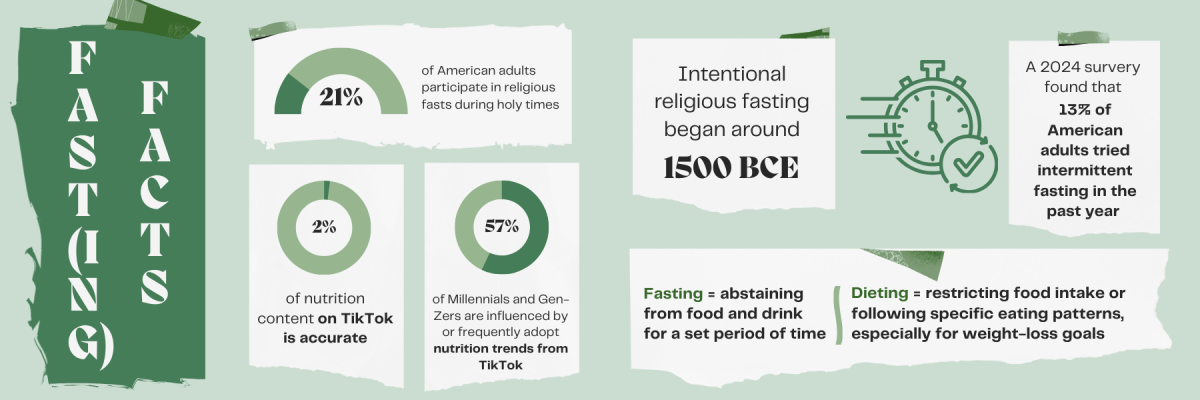
According to a study by the National Library of Medicine, 90 percent of Americans use social media for health information.
McAfee said vaccinations are a frequent point of disagreement.
“[Misinformation about] vaccines hurt me the most,” McAfee said. “Vaccinations are how we overcame many diseases in this world, yet now we are going backwards. How are measles on the rise again in Texas?”
McAfee urges her patients to critically think about what they see on social media.
“My dad always told me: ‘they always lie’,” McAfee said. “That’s what I try to tell my patients [about creators spreading misinformation]. If you can’t tell me who they are, they are lying.”
McAfee attributes susceptibility to believing these medical myths to the theory of confirmation bias.
“Most times people are looking for an excuse or something on social media to agree with what they already believe or what they want to believe,” Dr. McAfee said. “People who already have decided that ‘I’m not going to take that medicine’ are looking for something [to prove that],” “I have a medical degree, but instead of patients seeing me as an expert on medical issues, social media has become the so-called expert.”