


















DISCLAIMER: The quote elements we have included in this story are web-exclusive and these quotes are from a Microsoft form sent to the Upper School. We decided to get quotes from the student body to show a more diverse range of real voices from our own community.
Inside the gates of Hockaday, we are a community of students that come from diverse backgrounds and faiths. We are a mixing pot of sorts, a blend of all, but always celebrating the individual. Outside of Hockaday, students experience their religions in various ways. Some are born with it, as it is a part of their heritage and part of their personal identities, and some choose or find it along the way.
Student’s Religious Journeys
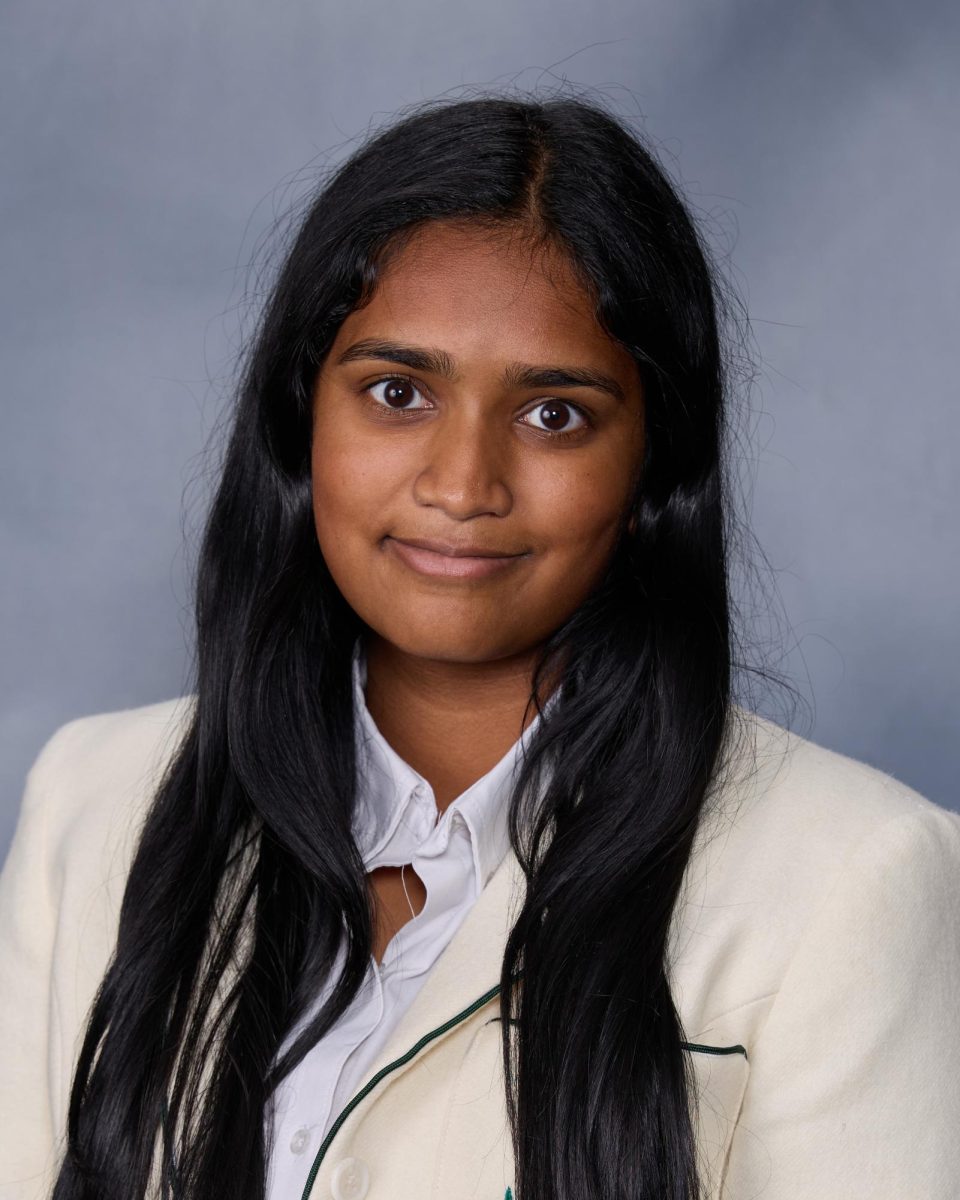
Junior Saanvi Kumar, vice president of the Hindu Student Association (HSA), has been Hindu her whole life.
“Hinduism is not a religion that you convert to, so Hinduism has stayed very concentrated within specific communities,” Kumar said. “Because of that, Hindu children are just so used to religion as they grow up. It’s part of the culture, and it’s just part of your life.”
Kumar’s religion has been a central part of her connections with people in her community and a way to reach out to others.
“We go to parties, and it’s usually a Diwali party,” Kumar said. “You go to someone’s house for a Pooja (prayer ceremony). Most of our social interactions are actually based off religion.”
For junior Lauren Haas, president of the Christian Student Union (CSU), religion has been a source of comfort.
“When I was little, I struggled with a lot of anxiety,” Haas said. “I would feel very anxious if I didn’t have everything in my grasp. For me, it was very liberating to know that someone else was above it all and that I didn’t need to worry.”
Haas was raised Catholic and participates in religious activities with her family. She said that she finds a personal connection to Catholicism through daily prayers.
“I found a lot of comfort in saying my prayers,” Haas said. “Falling into a routine really helped me to mitigate that anxiety; it’s a really great way that I like to stay grounded and focused for my day.”
Many religions use prayer as a way to practice daily. Junior Natalia Salem, vice president of the Muslim Student Association (MSA), finds prayer to be a time of reflection.
“I pray every day, and it kind of is a moment for me to stop and think about how the day’s going and what I’m doing,” Salem said.
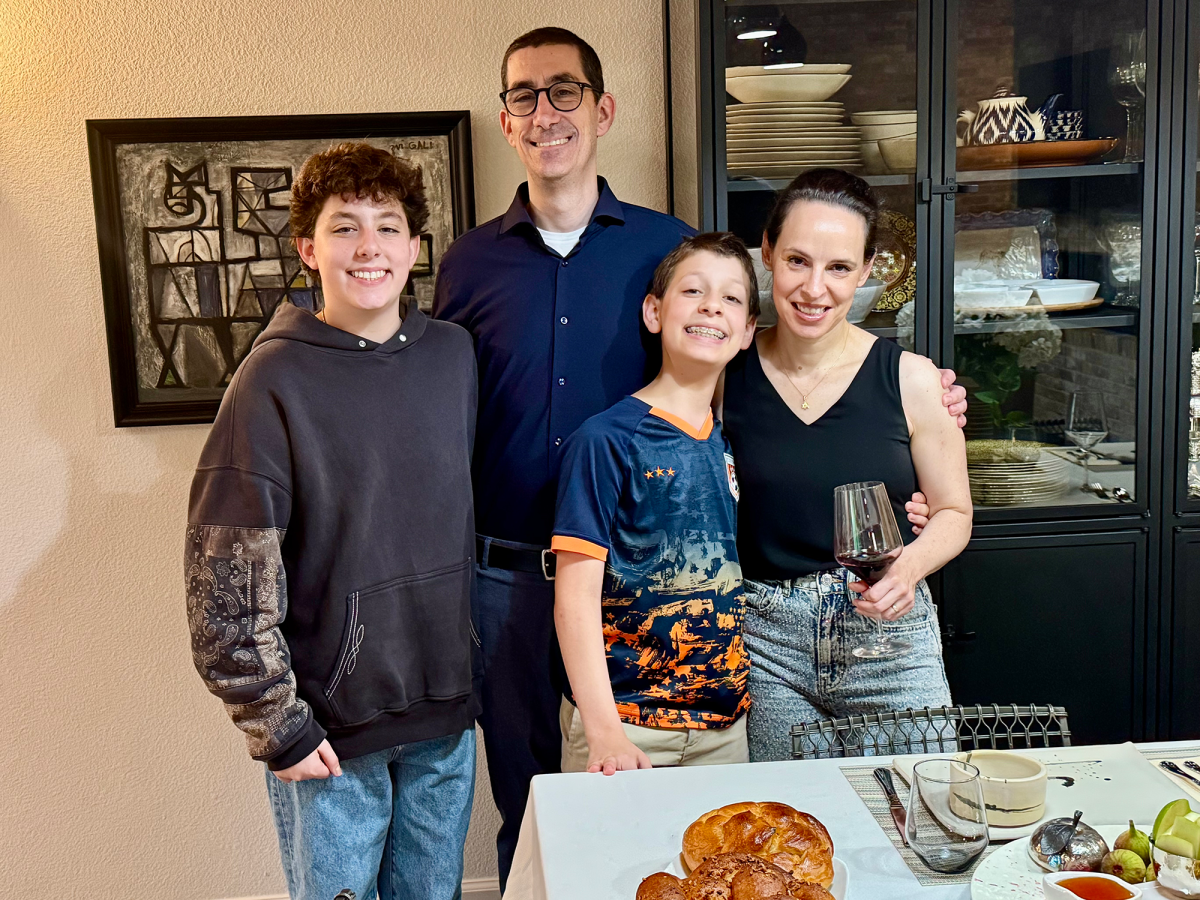
Senior Abigail Snyder, president of the Jewish Student Union (JSU), finds her Judaic traditions are woven throughout her day.
“I am kosher, so my religion is very much more day-to-day for me as it is compared to others who are more holiday oriented,” Snyder said.
The path to a strong faith is not always a smooth one. Kumar said that her Middle School years challenged her faith in Hinduism.
“It’s at this point [in Middle School] where you start learning about science and about how the universe was created, and then you question who or what created it,” Kumar said. “I definitely went through a period of questioning, but I never really lost faith in my religion because of the fact that I still practiced it with my family and with my parents.”

Snyder also went through a time of distance from her faith.
“I was much closer to my faith when I was younger, more than I am now, because I was going to Jewish school,” Snyder said. “We did prayers every day and were kosher all the time. After coming to Hockaday, I didn’t really do as much until last year when I decided to go kosher to find more of that closeness.”
Another challenge experienced by people of all religions is interacting with others who have different views and religions. Kumar said that she feels her religion is not always treated with equal perspective.
“I never found trouble coexisting with other people,” Kumar said. “However, I have seen Hinduphobia. For example, in yoga, when people chant ‘Ommm’ while humming or say ‘this is really opening my chakras’, they don’t actually understand that those are very religious things for us, so people end up appropriating lots of Hindu gestures.”
Haas keeps an open perspective towards people with different beliefs.
“I think it’s really important to not be afraid of conversations with people of different religions and not to shy away from the opportunity to get to learn something new every day because a lot of them share very similar values at their core,” Haas said. “Everybody’s looking to feel something within them with that belief in a higher power.”
Religion has brought Snyder lifelong community and relationships as well as a stronger sense of self.
“I think I’m really able to connect with myself deeper as well as others,” Snyder said. “It also helps me find things that are really important to me that I might not have otherwise. It’s good to know that Yahweh has a plan and that you follow what happens.”
In such beliefs, many find a way of life and solace.
“I think [my religion] means family, and it means purpose,” Kumar said. “Even if I meet someone from California or New Jersey, no matter where they’re from, if they’re Hindu, that means we had the same upbringing. We follow the same beliefs. And it’s nice to meet people that are like you.”
Religion Inside of Hockaday:
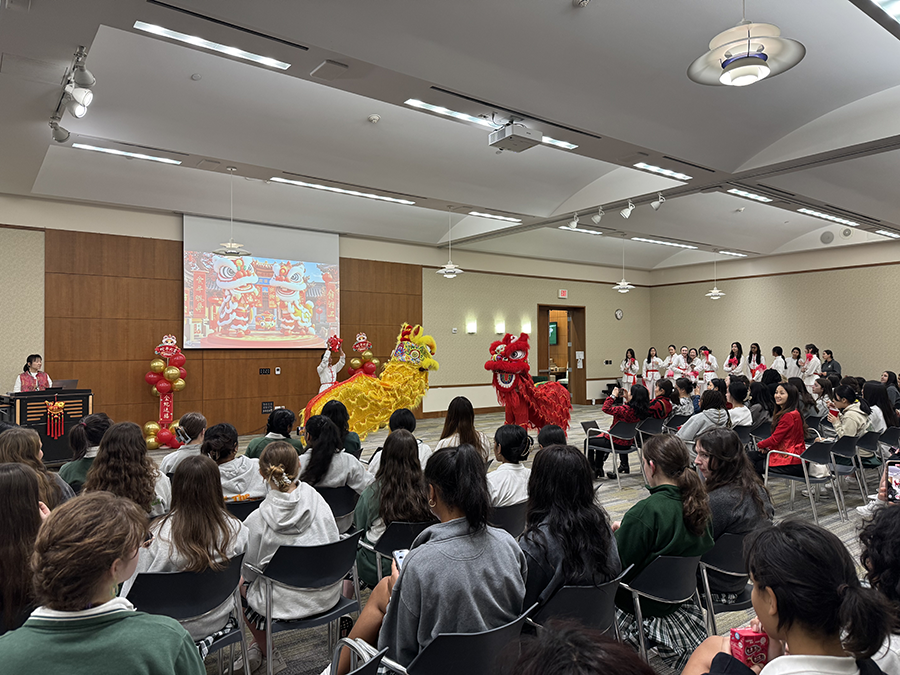
While Hockaday is a secular school, students find ways to share and celebrate their religions throughout the day.
The primary example of this is the clubs and associations that Hockaday facilitates. Haas has been an active member of CSU since her freshman year. CSU celebrates all denominations of Christianity and typically meets once or twice a month. They participate in all different types of activities depending on the specific month, but usually have a few things which start out each meeting.
“A lot of our meetings for CSU start with a craft, and then a scripture spotlight, followed by some food and hanging out and talking,” Haas said. “But it’s really about building community, about having people around who also share your intentions. If you have something in your life going on, and just want to talk to someone, you know we will be there for you at that spiritual level. It’s nice to have those people around you, and to have that support.”
Haas highlights the community that CSU gives her and how the club has been a place of comfort and openness in her high school life. But, because Hockaday is full of students who practice different religions, it is important to remember to bring that sense of openness and comfort everywhere, and to have conversations with everyone, regardless of faith.
“I know that religion is a weighty topic that can be very sensitive, and at Hockaday, we are a very diverse community and have a lot of different religions represented,” Haas said. “So, getting to learn about what other people believe and learning how to have those conversations with people that you can learn and grow from and also share your own opinions and beliefs, is important.”
The student unions serve as a way for students to connect and learn more about that faith.
“I think it’s really nice to have a community and people that you know share the same beliefs as you,” Haas said. “While it is very important to get out of your comfort zone and talk to people of all different faiths and all different backgrounds, it’s also really nice to have a community of people that you know have commonalities that you can bond over and things that you can really fall back on as a safe and fun space.”
Salem seeks to foster this sense of community in her own student union.
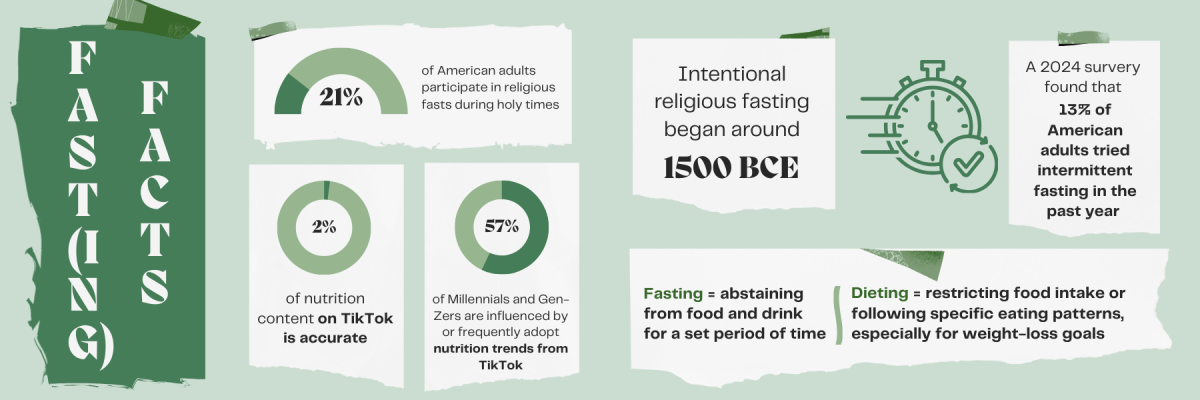
“Ramadan is coming up, so we’re going to be fasting, and we’re organizing social events to bring everyone together,” Salem said. “We want to do something with Greenhill MSA and things like that, because I think that would bring even more people together.”

Snyder also appreciates how her affinity group has given her a strong support mechanism and community.
“It’s great to be with girls who have the same religion and be able to talk to people who experience or know the same things,” Snyder said. “The Jewish community in Dallas is a great way to connect with and meet people.”
For Snyder, religion is something that appears throughout each day at home and at school.
“I do think that English classes are very focused on Christianity,” Snyder said. “Also, for most of our holidays, you either eat a lot of food or you fast the whole day. Having to come to school on days where you’re fasting makes it hard to be able to focus.”
Hinduism’s main holidays can also make it difficult for students to balance both school and religion. Kumar recalls being unable to fully celebrate Diwali because she had to go to school for a math test.
“It’s unfair because I know that people with other religions get to wake up on Christmas morning and open presents and then go to church with their family,” Kumar said. “But I had to go take a math test, and that’s not in my control. I understand that I could just take the day off for religious reasons, but then I’d have to push my math test to another day, and that shouldn’t be happening in the first place.”
Snyder’s kosher diet often makes it difficult for her to find suitable meals at Hockaday.
“I don’t really eat [at Hockaday] because they don’t have a lot of options,” Snyder said. “We can’t have meat and cheese at the same time so it’s a bit of a struggle to figure out what we want, like if you’re going more dairy or more protein that day, just because there always aren’t many options for either.”
For Kumar, HSA is a place of belonging and acceptance at Hockaday.
“HSA means a lot to me,” Kumar said. “My favorite thing about it is just having this community of Hindus who see these same issues and who feel the same way and who can talk about it.”
HSA hosts many events with various activities. This year, they began an event called the “chai chat”.
“We get together, drink chai, and we play some Bollywood movies in the background,” Kumar said. “As leadership, we come up with a set of questions and we ask them to the group and we all discuss it. It’s very similar to Student Diversity Board, except it’s more focused on Hinduism and shared experiences.”
One recent discussion centered on if Hockaday focuses less on Hinduism compared with other religions. Kumar said HSU does allow non-Hindu students to participate in their activities.
“In our last meeting, we talked about Hinduism in Hockaday classes, and we talked about a lot of similar things with holidays and how school work is very centric around Abrahamic religion as compared to Hinduism,” Kumar said. “And one of the things I really like is how we invited non-Hindus to the meeting too. Someone came who was not Hindu, which was nice because it gave a different perspective too, about how Hindus are viewed at Hockaday.”
Church and State:
The United States Constitution clearly creates a delineation between church and state, stating that Congress cannot make laws regarding establishment or prohibition of religion. However, religion continues to play a role in lawmaking.
Religious political action committees across the countries spend millions to lobby lawmakers and impact party platforms. Vice President JD Vance, who converted to Catholicism in 2019, has expressed a desire for his Hindu wife, Usha Vance, to convert to Christianity, according to USA Today.
In June, Gov. Greg Abbott signed Texas Senate Bill 10 into law. This legislation mandates all Texas elementary and secondary public schools display the Ten Commandments in every classroom in a display that is at least 16 inches wide and 20 inches tall.
The American Civil Liberties Union (ACLU), a nonpartisan nonprofit dedicated to preserving the rights and liberties guaranteed by the Constitution, reports that multiple lawsuits have been filed to prevent public schools from displaying the Ten Commandments. The bill has been found unconstitutional by two federal judges, but appeals continue.
Kumar, who attended public school until her freshman year, believes that the line between church and state in schools should be drawn by the students, not lawmakers or educators.
“When you have these references to God, [such as in the Pledge of Allegiance], I think that should be an indicator for students to replace God with whatever faith they believe in,” Kumar said. “If you don’t believe in God, then the pledge is just words and legally you don’t even have to say it. I think that students should be given a choice, so they can choose what they want, whether they want to say God, whether they want to stand up and say the pledge, and that the choice given to students is what matters the most.”
Sophomore Emory Daniel is a devoted member of CSU. She loves attending the group Bible studies, Christmas events and teaching people about the holiday of Easter.
“God is my rock, but Christianity is also a choice,” Daniel said. “So, I choose to believe in Christ, so I choose to go to church. I seek out those things. That’s the great thing. You get to choose to connect with God.”
Daniel disagrees with the sentiment that the United States is a Christian nation. Though she believes Jesus is the Lord, she does not believe it is her job to convince others of the same.?
“Our whole country was founded upon being able to avoid religious persecution and being able to express your own opinions,” Daniel said. “I think that the Ten Commandments in classrooms is kind of ridiculous, and I think it is definitely crossing a line, especially being mandated. There are students of all different religions there and public school should be a safe place where you don’t have to be forced into a certain religion.”
Kumar recalls being told to sing “God Bless America” every day in elementary school. She felt that it wasn’t necessarily right, as it promoted Christianity over other religions.
“If you’re going to teach about religions, then you have to teach about all religions equally, and you can’t force or favor one religion over another,” Kumar said. “I think that if you’re going to put up this information like the Ten Commandments, then there should be an equal amount of representation for everything, or you shouldn’t have it at all.”
Kumar believes the best way to teach about religion is to emphasize respect for all.
“No religion is better than another,” Kumar said. “Every religion was made for the purpose of having belief and faith and goodness. And what’s important is to just carry it and to treat everyone with that goodness, no matter what.”