















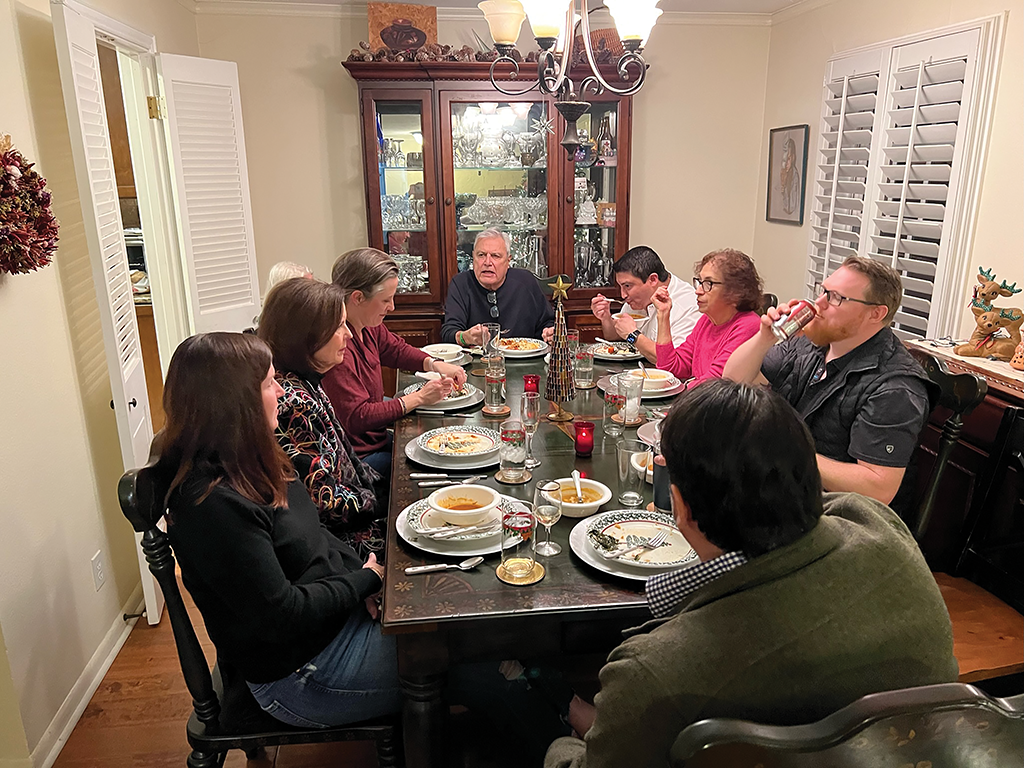
From the warm and savory smell of tamales to the soft taste of latkes, Hockaday students eagerly anticipate their families’ holiday food traditions. Every family’s dinner table is different, filled with cuisines and dishes from cultures around the world. Many students pride themselves in their treasured family recipes, sharing a spoonful of what the holidays look like in their home.
Christmas
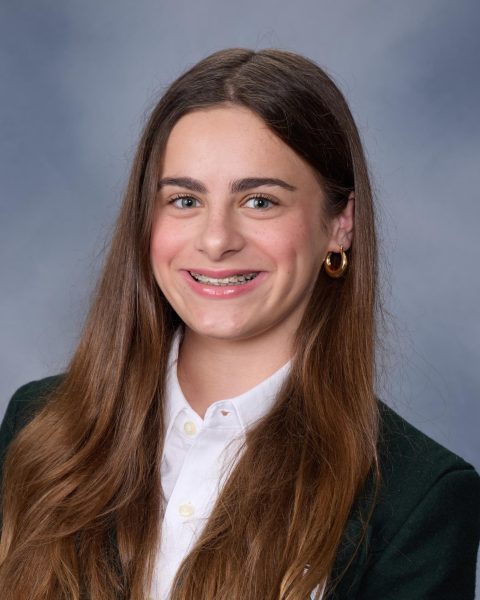
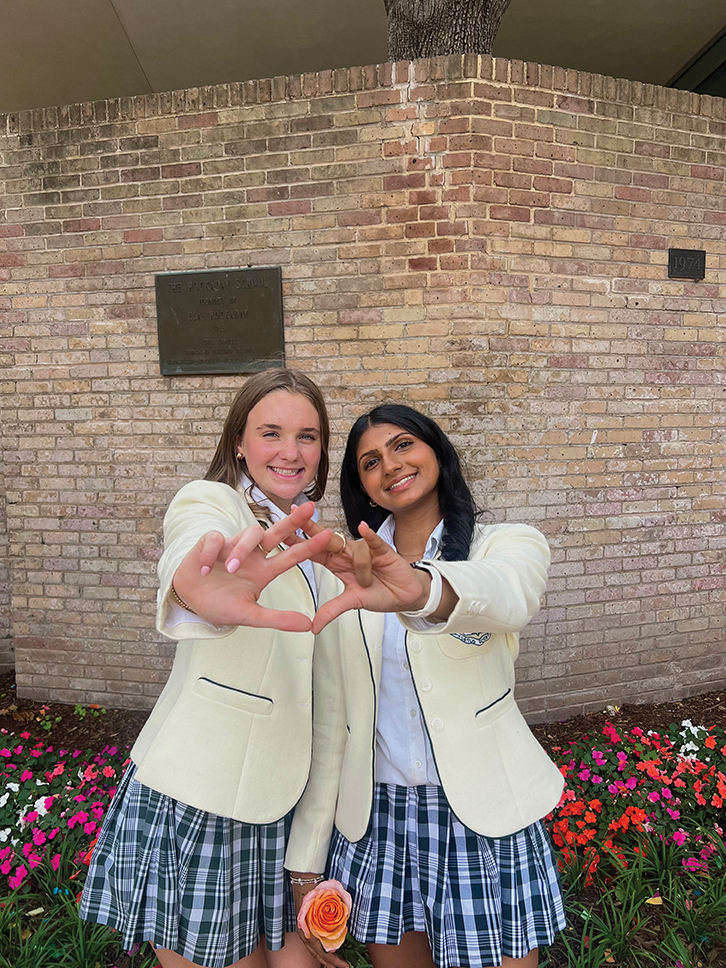
Ava Ortega ’26
Senior Ava Ortega spends Christmas at her grandmother’s house, celebrating her family’s Latino and Hispanic culture over Christmas Eve dinner.
“We usually buy tamales from someone in the neighborhood, and my grandma makes pozole verde and pozole rojo, which are types of soups,” Ortega said. “She makes the base broth, puts in the meat and uses a type of grain called hominy, which is like corn. Then, you add the toppings yourself.”
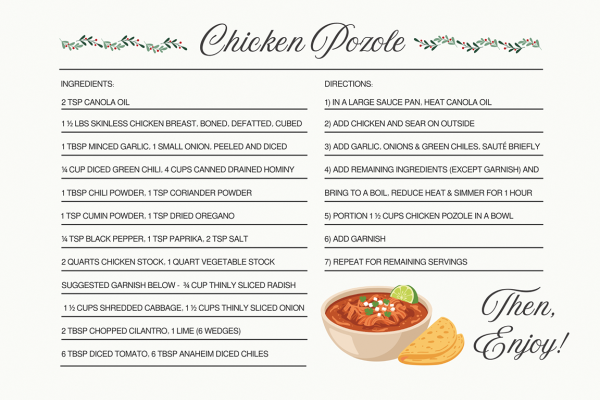
Ortega’s buffet is crammed with an array of food in addition to tamales and pozole, including mashed potatoes and sauerkraut that her Polish grandma brings.
“We have a very big mix of foods from around the world,” Ortega said. “We have a huge assembly line. Everyone gets to go through and try a little bit of everything.”
Ortega reflects on how her Christmas food traditions symbolize her rich culture and bring her family joy.
“I feel like a lot of our foods, like tamales and pozole, are reminiscent of the foods that my grandparents ate in New Mexico,” Ortega said. “Tamales have also been a symbol of togetherness in my family. As soon as they finish steaming, everyone runs to the pot to try to get their favorite flavor.”
Furthermore, Ortega values the holiday meals she shares with her family, appreciating how they foster love and connection.
“Out of all the things that I remember about Christmas, it is the food at my grandma’s house and family running all over the place that I remember the most,” Ortega said. “It’s chaotic, but at the end, when we are all sitting down at the table together eating, it makes it all worth it.”
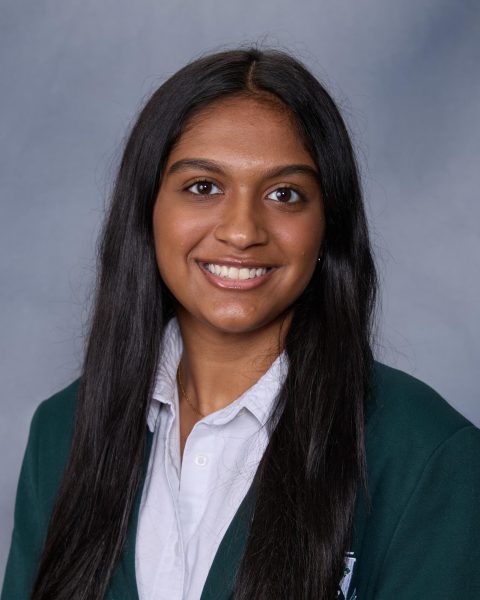
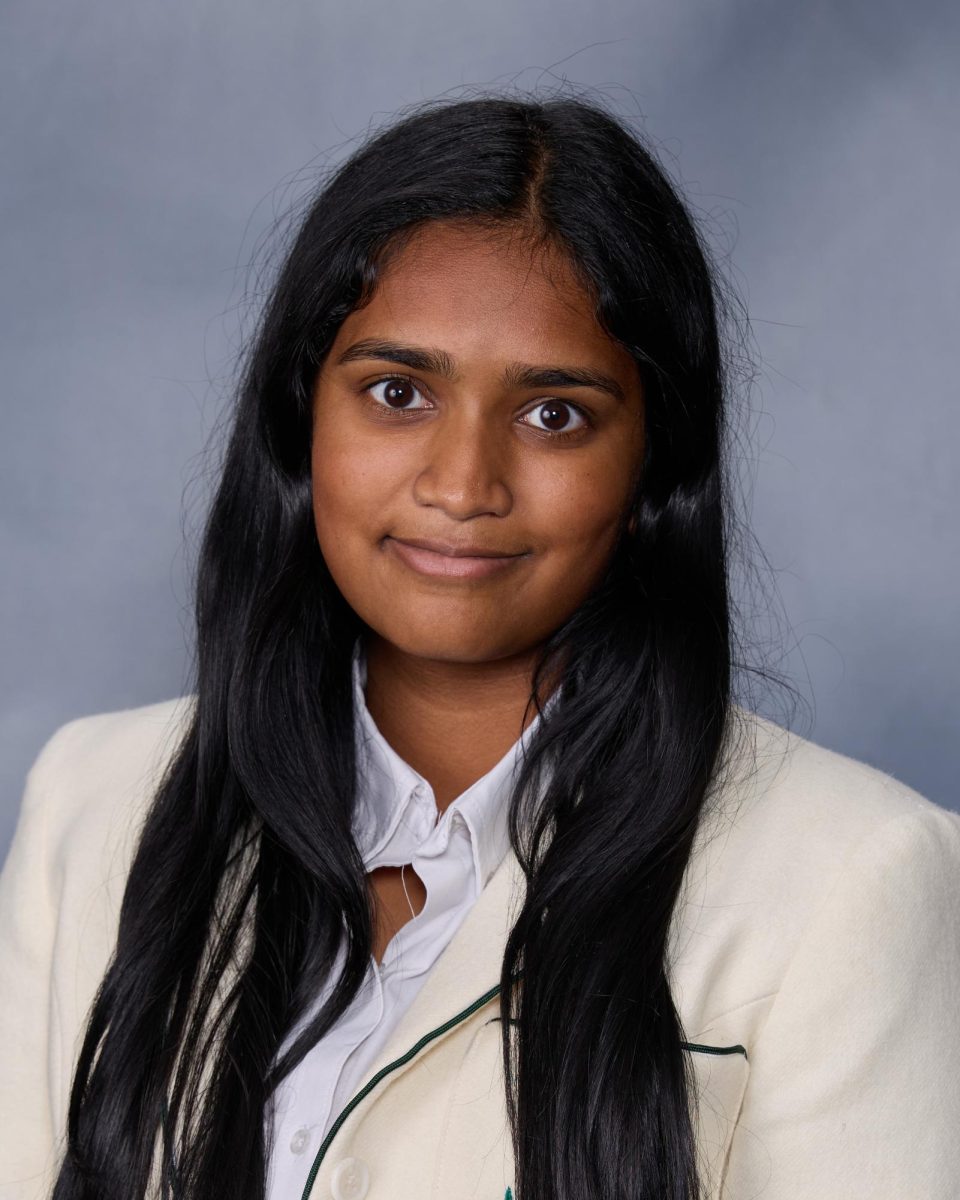
Mahathi Chadalavada ’28
For sophomore Mahathi Chadalavada, Christmas is less about the presents and more about sitting around the dinner table, where the aroma of spices is almost as good as the food itself. She especially cherishes the biryani and marinated chicken prepared by her grandma.
“My family incorporates our Indian culture into American traditions,” Chadalavada said. “My grandma makes great food and it’s one of the ways we keep our culture alive during the holidays.”
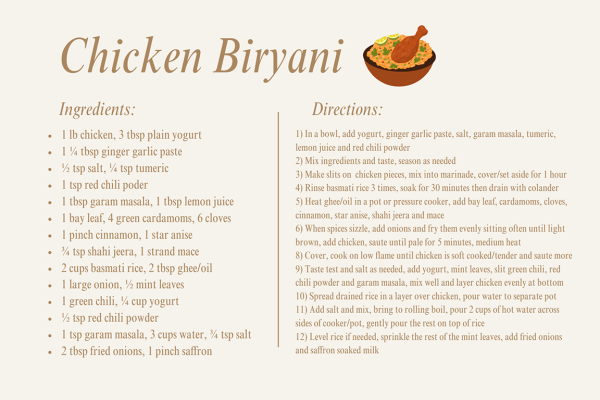
A lot of preparation goes into preparing Chadalavada’s Christmas dinner. Her grandmother spends hours in the kitchen, picking out each ingredient carefully and seasoning everything by hand.
“The chicken has to be marinated the night before,” Chadalavada said. “We add lots of spices, so it’s really flavorful.”
For Chadalavada, Christmas is ultimately about sharing good food with the people she loves and growing closer with her family.
“Eating together is always the best part,” Chadalavada said.
Hannukah
Libby Stern ’27 and Caroline Fleiss ’28
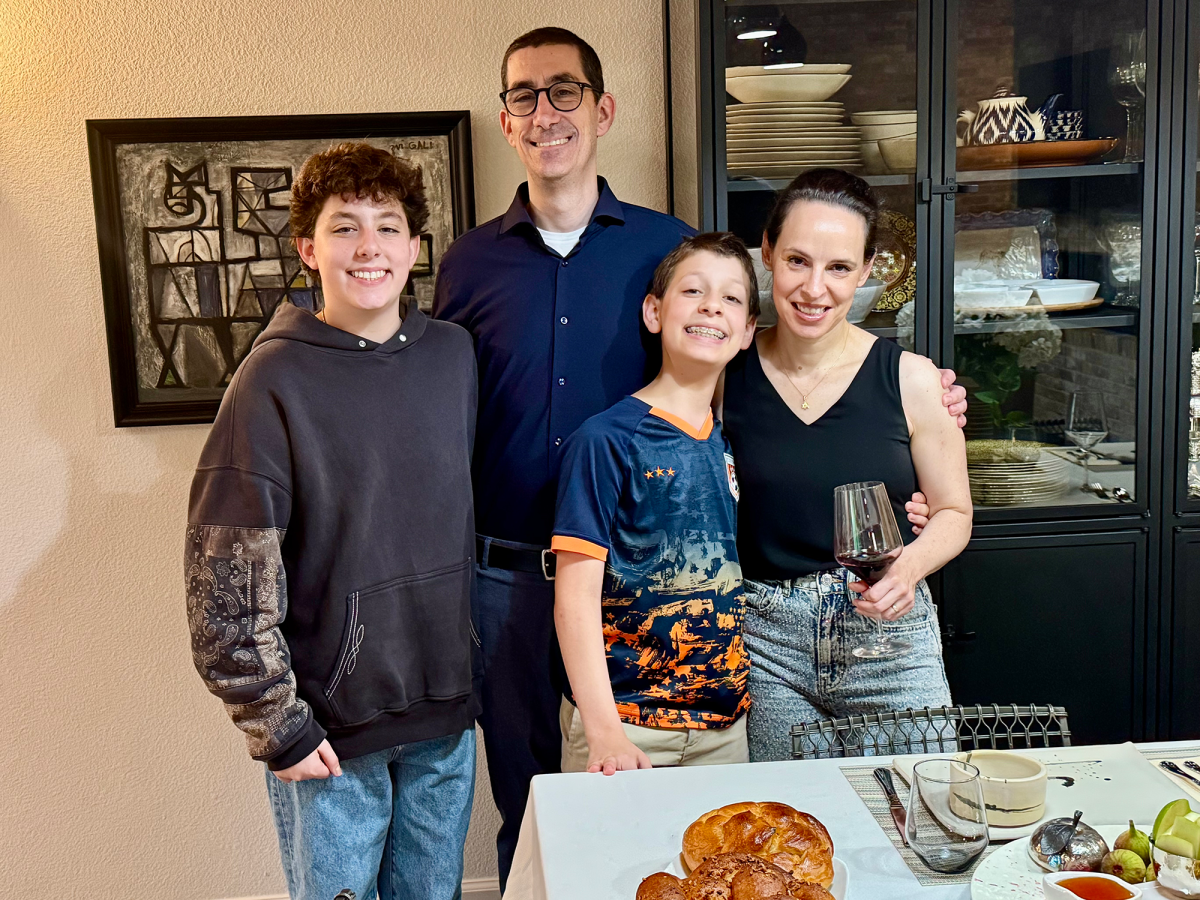
Junior Libby Stern and sophomore Caroline Fleiss celebrate Hanukkah with their families.
“I think food brings people together during the holidays,” Stern said. “Sharing that common happiness is something everyone can like and enjoy together.”
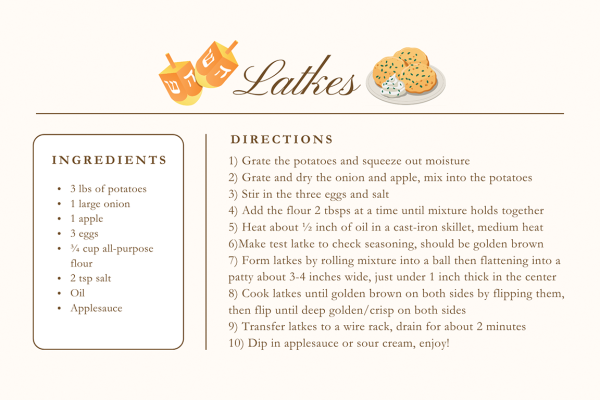
For Stern, that togetherness comes in the form of potato pancakes, known as latkes. The crispy, fried dish is a traditional food for Hanukkah that often appears on the table multiple times throughout the eight-day celebration.
“My parents make latkes around the holidays,” Stern said. “The recipe is pretty simple, and you can use sour cream or applesauce to dip the latkes.”
Similarly, Fleiss considers food to be an essential part of family time during the holiday season.
“Usually, my family cooks the food all together,” she said. “We celebrate the holidays with our family, friends and extended family.”
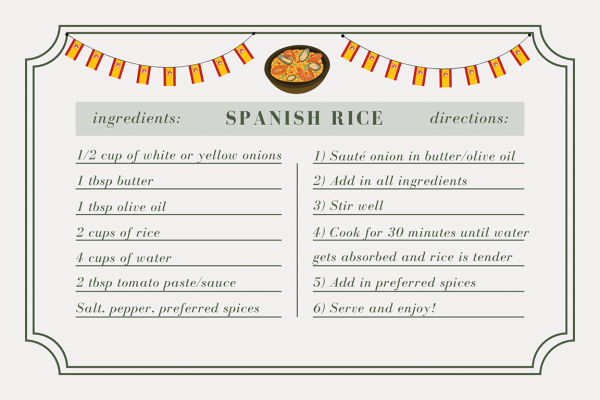
Fleiss said her family mixes their Spanish heritage into their Hanukkah celebration with traditional dishes like Spanish rice. The tomato-based dish serves as a comfort food at many gatherings.
“During Hanukkah, we love to make Spanish rice,” Fleiss said. “It’s an old family recipe.”
New Year’s
Vittoria Sofia Testa ’27
Junior Vittoria Sofia Testa is a first-generation Sicilian, connecting back to her Italian roots over New Year’s dinner with her family.
“We have seafood on New Year’s, essentially a mix of scallops and shrimp, like a seafood roux,” Testa said. “It’s mixed together and put on orecchiette, which is a large Italian pasta. My family cooked it in Europe for many years, so when they came over to America, they brought the tradition along with them.”
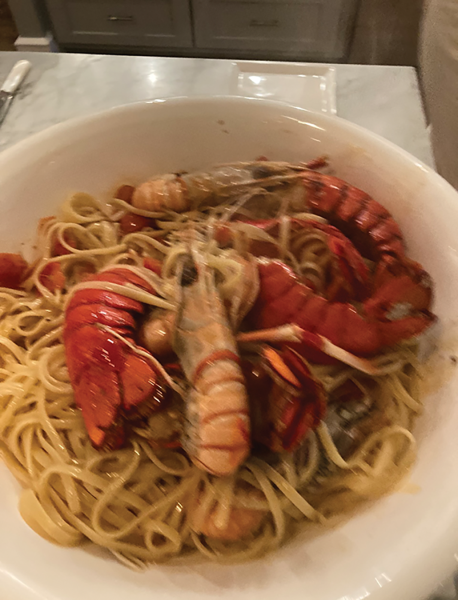
For Testa, the process of making New Year’s food is not as simple as it seems, highlighting the difficulty of cooking seafood that meets Italian standards.
“We spend a lot of time going to different stores, finding the right fish and getting the flavor out of the fish,” Testa said. “We have to add the right amount of oil, which we bring over from our oil farms every time we are in Italy.”
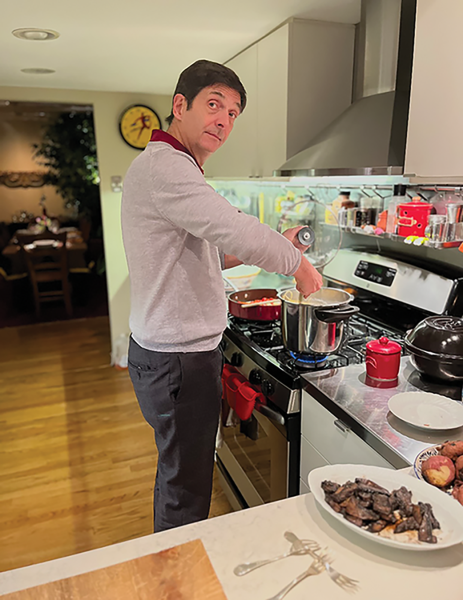
Testa enjoys celebrating New Year’s with her family’s traditional Italian cuisine, sharing that it brings her family together amid the busyness of their lives.
“My dad works a lot, but he has to make the seafood and orecchiette because my mom doesn’t know how,” Testa said. “So, he gets to come home and hang out with my family and I. We make all of the food together and invite people over. We always have big holiday dinners.”