




























Diabetes Awareness Month takes place in November and is time to shed light on the struggles of experiencing the disease. According to the American Diabetes Association, approximately 1.8 million people in the United States have Type I diabetes.
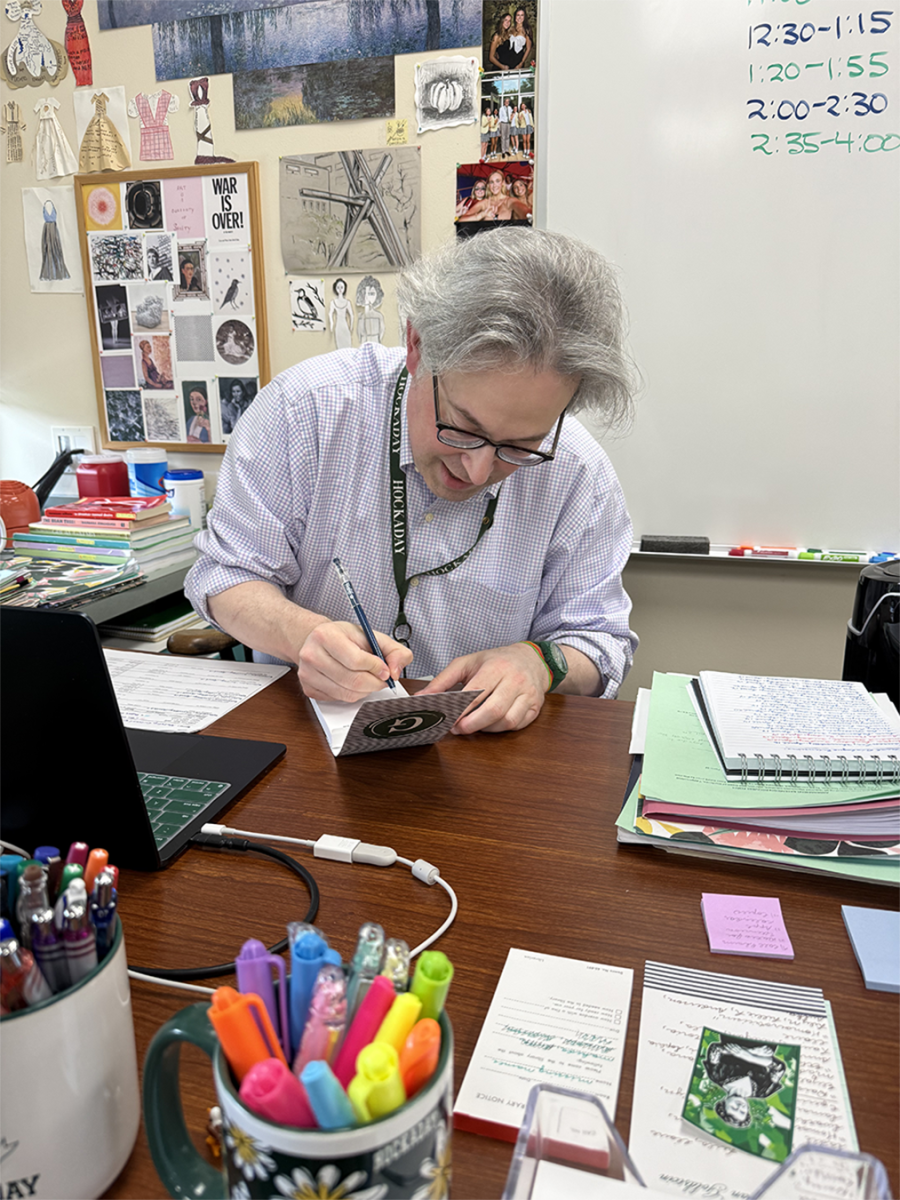
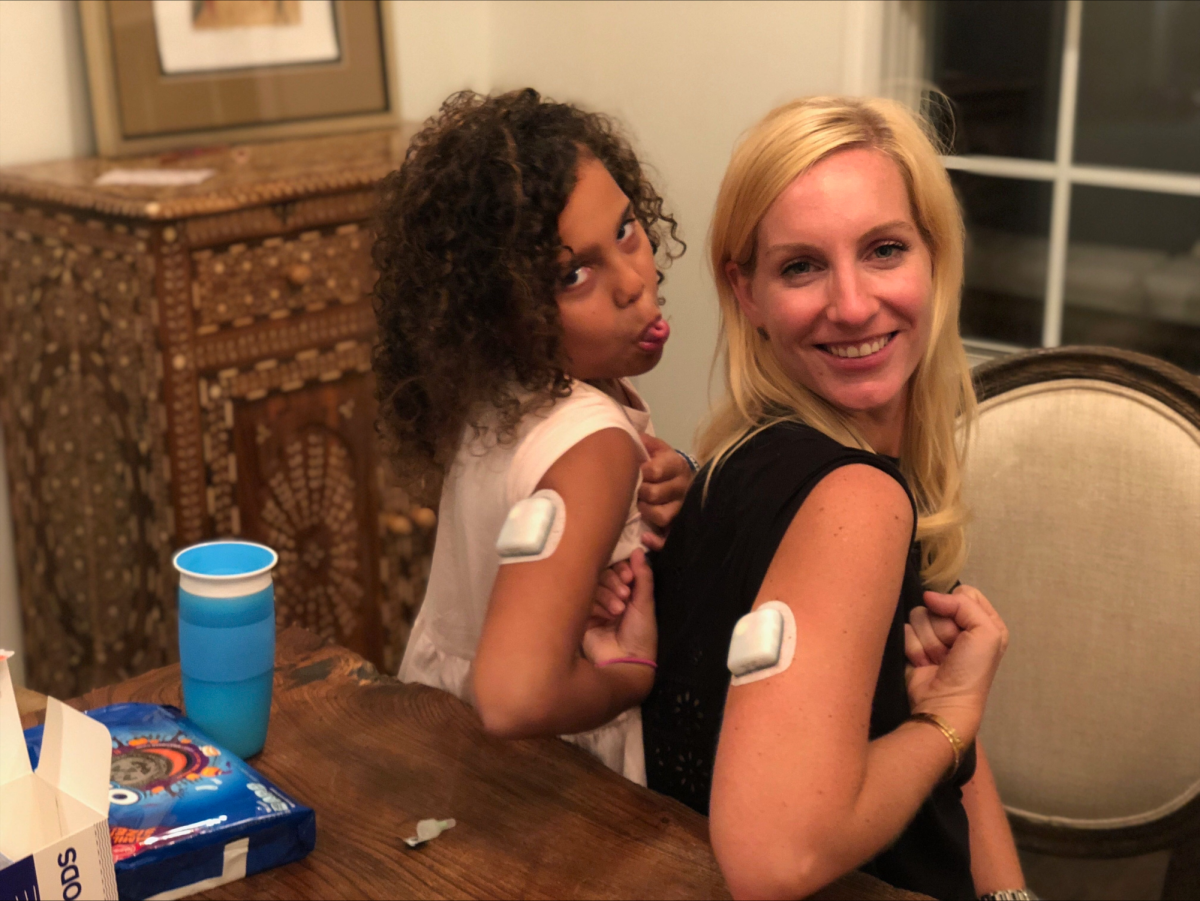
Director of Social Impact Melanie Robinson was diagnosed with Type I diabetes 15 years ago after experiencing symptoms of unusual thirst.
“I just kept drinking water, and my thirst never got better,” Robinson said. “My mom experienced gestational diabetes when she was pregnant with me, and she thought that my symptoms sounded like when she had diabetes.”
Ever since being diagnosed with Type I diabetes, Robinson has had to constantly monitor herself.
“I think diabetics spend about five hours a day doing diabetic-related maintenance,” Robinson said. “And whenever I put a piece of candy in my mouth, or anything in my mouth, I’m always thinking about how it will affect my blood sugar.”
The constant attention to her health has affected every aspect of Robinson’s life.
“When I found out, it took me a while to get on board with it,” Robinson said. “I realized that this is serious, and it affects my life. Every decision that I make is viewed through the lens of diabetes.”
While Robinson discovered she had diabetes as an adult, sophomore Elizabeth Atkinson learned she had Type I diabetes at only eight years old.
“I used to have really intense mood swings, so my parents took me to therapy, but that didn’t help,” Atkinson said. “Since both of my parents had some experience in the medical field, my mom suspected something else might be going on. She had me tested, and that’s when I found out I had diabetes.”
The diagnosis came as a surprise to Atkinson and everyone around her.
“My parents were obviously worried, but they knew what to do, who to talk to and how to make sure I was safe,” Atkinson said. “My friends didn’t really understand what I had, and honestly, neither did I because we were so young, but they were supportive and tried to understand.”
While Atkinson receives help from her friends and family, she also receives support at school. Nurse Katie Barnes holds meetings with the staff and faculty each year on how to support students with medical conditions like diabetes.
“We educate all the students’ teachers about the individual care plans, more specifically, what to do in an emergency,” Barnes said. “We also educate them about the need to maintain that student’s privacy.”
Beyond educating the students’ teachers, Barnes wants to help students feel comfortable in their schedules and routines at school.
“Behind the scenes, we are helping students with diabetes have the most normal school day possible,” Barnes said. “So, we’re not drawing a lot of attention to their diabetes but working with their teachers and coaches so that their diabetes can be in good control, and they can learn.”
Both Atkinson and Robinson appreciate efforts to raise awareness about diabetes, because it often goes unnoticed.
“I appreciate the idea that people are paying attention to the fact that some people’s bodies don’t work the way they should,” Robinson said. “But everybody should be paying attention to their blood sugar, whether you have diabetes or not, because it impacts your sleep, your energy and your metabolism.”