

































She sits in her final class of the day, shifting in her seat. Her foot anxiously bounces up and down as her pencil floats above her math notebook. She tries to solve a problem, but all she can think about is how she will get home. Her carpool plans have been unexpectedly canceled, and if she doesn’t get home in time, she will miss her doctor’s appointment. Her eyes drift to the clock as she wishes she had just a minute to talk to her parents. If only she had her phone, she could call them…
Phones aren’t distractions, they’re tools. In a society that relies on technology for nearly every aspect of communication, it is naive to ban phone use during school hours. That doesn’t align with what the real-world demands. In fact, a phone ban in 2025 not only feels outdated but also inefficient. In places of work and higher education for which we are being prepared, people depend on reliable use of technology.
Phones are resources
We use our phones for much more than social media; we need them to stay organized and updated. Apps like GroupMe, Club Hub, email and text messages keep us connected with our teachers, peers and coaches consistently throughout each day. Whether there’s a last-minute change for off campus social impact recurring programs or a reminder for a form meeting, phones allow us to stay updated and engaged in our community. In a school that prepares students for college, it is essential to foster independence and curiosity, something our phones help us to develop and maintain on a daily basis. They make our busy lives and schedules easier to manage and let us communicate instantaneously, reflecting how the modern world operates.
In terms of student leadership, phones play a large role in how student boards and clubs communicate. Club leaders utilize GroupMe to share word about upcoming events, sign-up forms for grade-wide activities and post quick decisions on the go when timing is slim. Now, imagine how many people would miss their form meeting if they didn’t have access to their phones. Therefore, communicating quickly and clearly isn’t something we should be banned from; it is a skill we must be trusted to learn.
Phones provide safety
In emergencies, phones are crucial tools for quick communication. They give us the power of connection, allowing us to quickly share information with each other. This contact helps us feel less panicked and alone in stressful situations, reducing the chaos surrounding emergencies.
The usefulness of phones extends beyond moments of urgency. Access to a phone during the school day helps students efficiently solve small problems that would be harder to fix otherwise. When we need to notify parents of changes in carpool or practice schedules, phones are the quickest way. While a coach can email schedule changes and nurses can call home, many parents receive hundreds of emails and calls from work or spam. Because of this, asking the school to contact home is less effective than having us directly contact our parents.
Allowing students to quickly solve non-school related problems is also better for our focus. A student who steps out of the class to talk to their parents for a minute can come back to the lesson without other problems on their mind. Conversely, a student who waits the whole day to solve the issue will struggle to pay full attention to their classes.
Looking to the future
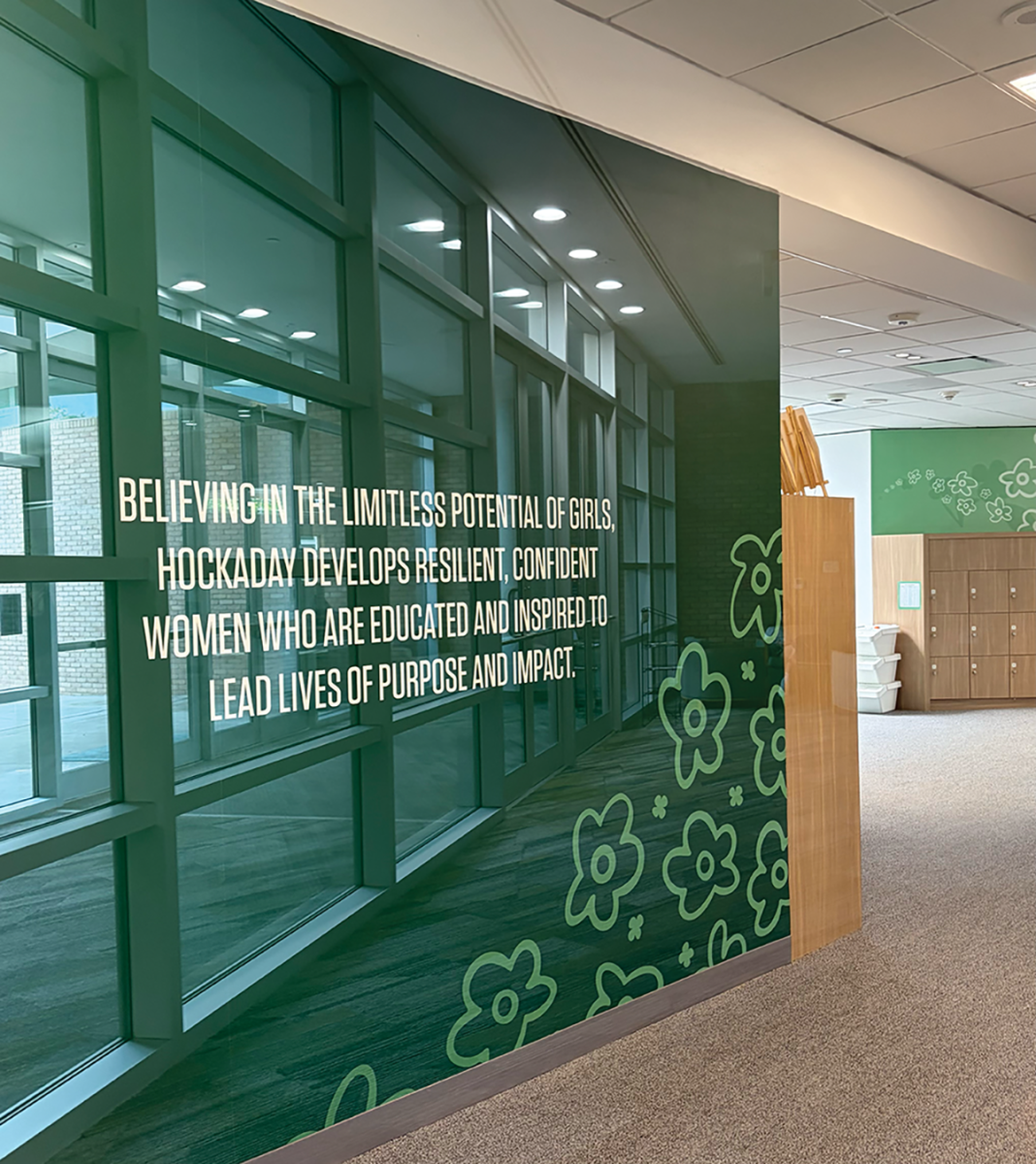
Learning to solve small issues in communication with phones is a skill we need for the future. Hockaday is a school that aims to set up students for success, yet taking away phones during the school day stunts our ability to develop discipline around devices. With limited exposure to the skill of using phones for communication and efficiency rather than entertainment, we will be forced to learn how to balance phone use later in life in scenarios with higher stakes. While phones can be distracting, asking us to manage our phones and schoolwork increasingly teaches us skills of responsibility, productivity and the importance of using phones as tools.

