




































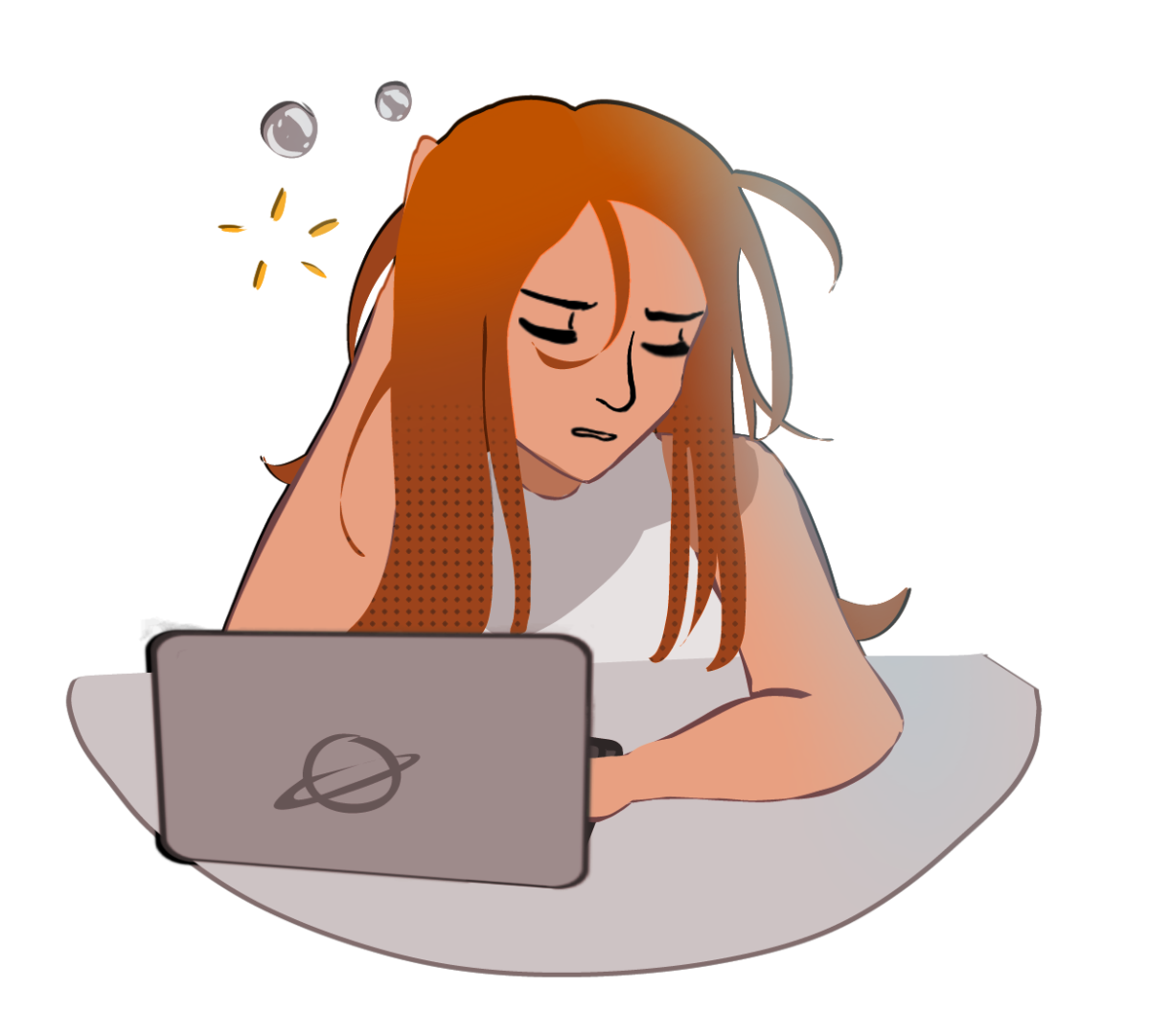
As the holidays roll in and the homework piles on, stress becomes a competition. Students compare sleep schedules, bickering over who got the least number of hours. Girls stream through the glass doors with coffee in hand, ready to discuss their caffeine intake; this culture is a vicious cycle of overcommitment that equates to self-worth. When academic success is an obsession, we don’t leave room to consider anything else. What do we think about when we aren’t stressed?
Academic rigor is important; however, downtime for personal growth is just as necessary. When I don’t allow myself the time to watch a show or put a vinyl on my record player, my brain feels clogged and chaotic. Working time to unwind into my schedule helps me work through my unorganized thoughts. It’s no wonder that we’re all overwhelmed when we aren’t giving ourselves time to think. Sometimes, a face mask and Netflix night are just as important as a study session.
It is hard to find time as the year goes on, and the workload grows increasingly consuming. The confines of academics tend to limit creative opportunities; the work can be explorative in nature but still must fit the requirements of a rubric. If we are too busy to create or stay active, we bottle up what we don’t give ourselves time to think about.
Mental stress keeps us up late at night. The Child Mind Institute reports that close to 70 percent of teens do not get the nine recommended hours of sleep each night. Consequently, sleep deprived students can get brain fog, making it difficult for them to think.
Phones are increasingly appealing because they act as an immediate, though temporary, solution to stress and exhaustion. We may not have the time to engage in involved outlets, but a five-minute glance at our phones is a relief; that little habit quickly snowballs as the stress builds. No matter how much we are on our phones, unresolved thoughts don’t go away. Our brains become increasingly cluttered, urging us to reach for our devices again – the cycle is never-ending.
Sometimes, we need to reach for something other than technology to give ourselves the time to mentally unwind.
Journaling is a fantastic way to work through thoughts without delving into phone addiction. It seems tedious, but just sitting down with yourself can be beyond therapeutic. Writing consistently isn’t even necessary; it can just be brief moments in the morning or before you go to sleep. The ability to review your own ideas and then perpetually push them forward is game changing. Most importantly, pen-in-paper journaling is a physical barrier between you and your social media and curbs phone addiction.
Though the weight of academics can feel crushing, giving ourselves time to be imaginative is crucial. An academic weapon is still a person deserving of space and free time. We may be students, but our work shouldn’t consume our thoughts. Give yourself time to think.