






























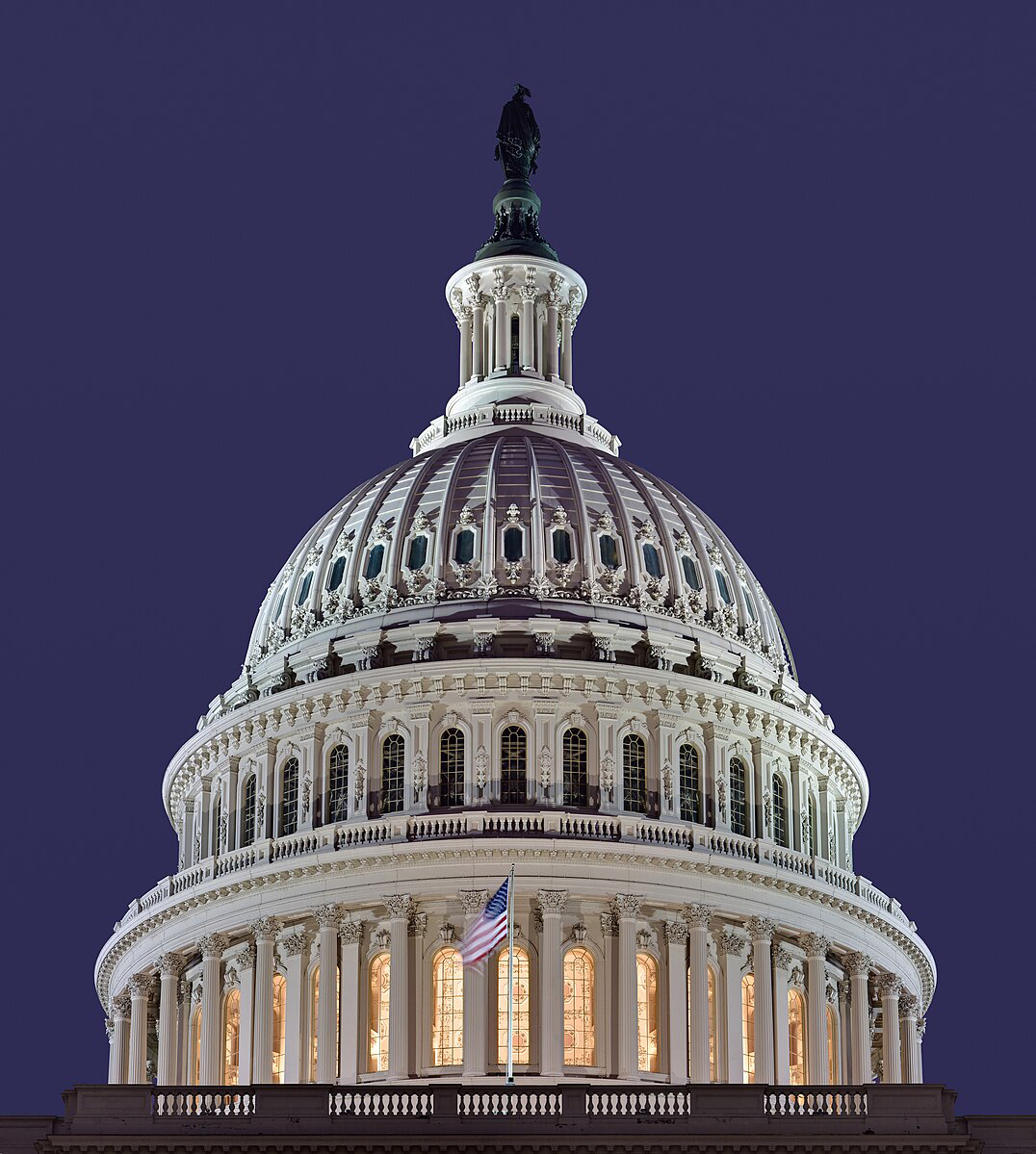
The longest government shutdown in history, from Oct. 1 to Nov. 13, 2025, impacted families across the nation.
Senior Morgan Bowers’ mother has worked for over 20 years as an administrative judge for the Equal Employment Opportunity Commission, a federal agency that enforces laws prohibiting workplace discrimination. She is not considered an essential worker and was furloughed during the shutdown.
“She does work quite a bit,” Bowers said. “As a kid, I would go over to my grandmother’s house every day after school because she would be at work. She works a lot on weekends and on holidays. Not that she’s been absent, but she’s just had to spend a lot of time working.”
During government shutdowns, Bowers enjoys spending more time with her mother.
“I remember very vividly the government shutdown in 2018 that went to 2019,” Bowers said. “That was when I was in fifth grade, and the timing of that government shutdown actually worked out well. At the time, my elementary school was close to my house, so my mom would come pick me up every day. I really loved that. Also at the time, my grandmother was sick, so my mom could take her to the hospital.”
Though there are some positives for Bowers, she recognizes shutdowns are damaging for many.
“Obviously, I love spending time with my mom, but on the other side, I know there are a lot of families who are struggling,” Bowers said.
This included families who rely on Medicare and Medicaid, two federally funded health insurance programs that cover 163.1 million Americans.
Dr. Palawi Batwar, mother of junior Aryaa Sachdev, works as a hospitalist, caring for critical patients who are hospitalized. Though her hospital does not directly receive money from the federal government, it was still impacted by the shutdown through Medicaid and Medicare funded services being unavailable.
“Consultants who do outpatient practices, like primary care doctors, cannot do any more Telehealth services,” Batwar said. “The second part is community health centers. They are also funded by the government. Now, they will give you emergency treatment, but they’re freezing hiring. Not many people are working there during a shutdown, so automatically, there are less patients they can see. And thirdly is, people who do visits at home, like home health services, get reduced.”
The immediate effects include a much busier and less efficient hospital.
“The hospital gets hectic because all of these problems could have been taken care of outside the hospital,” Batwar said. “But now, all these patients are coming to the hospital, occupying the beds there, and they are not getting the services they need to.”
Federal Judge David Russell, grandfather of junior Lily Vollbrecht, was appointed by President Ronald Reagan in 1982. He handles civil cases, including anything investigated by the FBI, IRS, DEA or the Secret Service. This includes drug distribution, bank robberies, fraud and counterfeiting for the Western District of Oklahoma. He has a staff of four who work with him, composed of two lawyers, a secretary and a courtroom deputy.
“Federal court employees are considered essential, so all of my staff have worked full time during the shutdown,” Russell said. “They [were not] being paid, and these are not rich people. They depend on that pay. The shutdown has been very stressful for them.”
Typically, federal employees receive a partial payment on their first regularly scheduled pay date during a shutdown. After, they work without pay.
“[Previously,] I don’t believe we ever got to the point where my staff and other federal employees at the courthouse were not being paid,” Russell said. “The shutdown usually ended before they did not get paid, but this time it didn’t. It was for about two weeks that they could not get their paycheck.”
Russell did receive a paycheck through the shutdown because of Article III of the Constitution, which states that a federal judge cannot be reduced, meaning their salary cannot be lowered, during their time of office. This was intended to help the judiciary remain independent from the other branches of government. Still, Russell finds it uncomfortable that he continues receiving pay while his employees do not.
“My secretary really needed money, and she asked if she could take a couple of days off as she had an opportunity to babysit for two days,” Russell said. “She said, ‘I need the money,’ and ‘Would you mind if I did that?’ And I said, ‘Certainly you can.’ They have rent and car payments, and they depend on that pay.”
