





















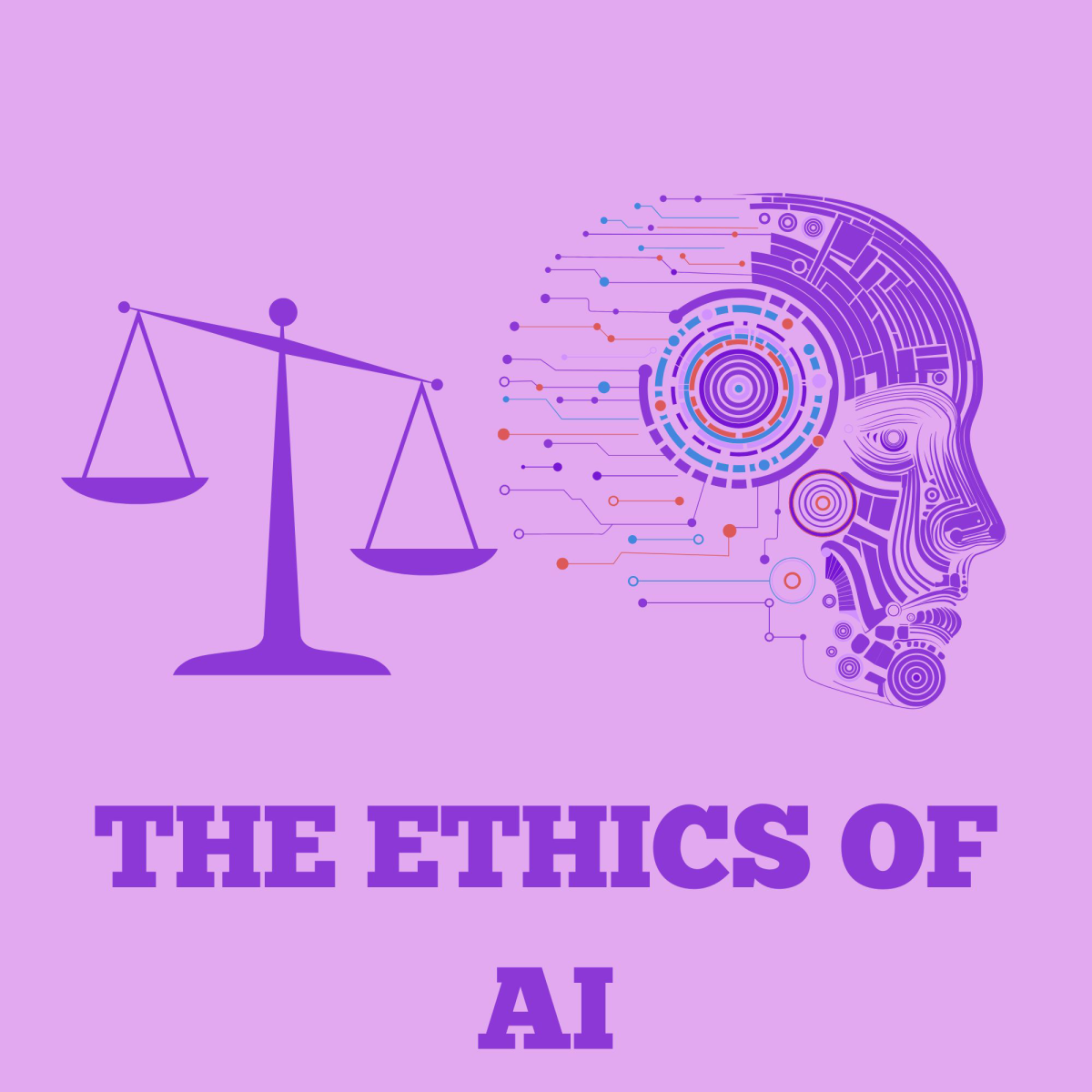











During a time of speculation surrounding the ever-growing use of AI, technology integration specialist Candace Townsley aims to prepare girls for their future.

Hockaday’s Tech Seminars, taught by Townsley, introduce freshmen to the basics of integrating AI into their schoolwork and emphasize the importance of using it effectively and responsibly.
“I really think every student needs to learn how to use AI effectively,” Townsley said. “If you stick your head in the sand, then when you go to a job that expects you to use it, and you don’t even know how to write a good prompt, you’re already at a disadvantage.”
Townsley said the main drawbacks of AI lie less in the environment and more in students’ dependence on AI for schoolwork.
“You need to develop the skills first as a teenager,” Townsley said. “I’m not trying to scare you but rather trying to instill a healthy fear. I think healthy fear is good.”
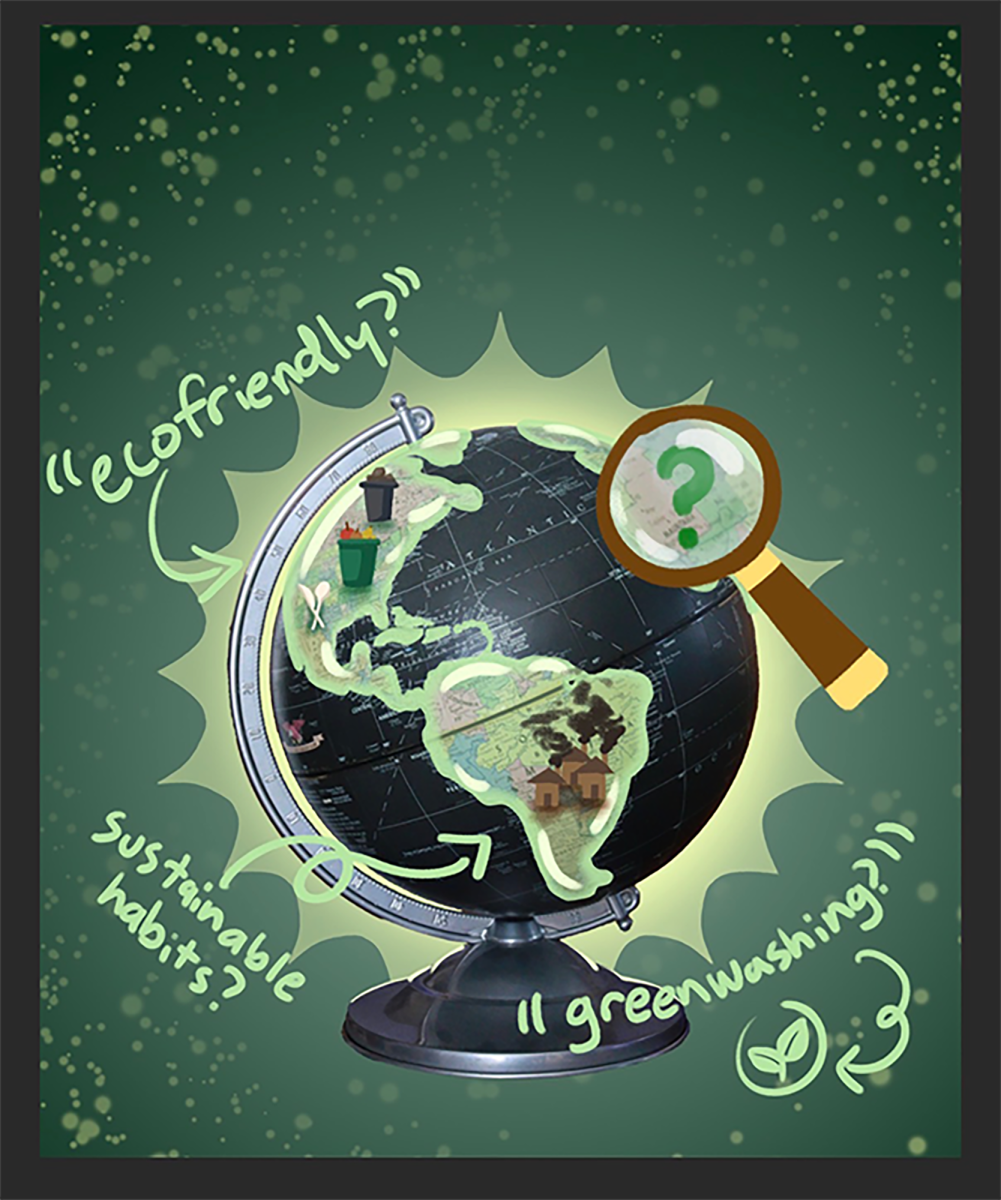
However, environmentalists see the broader impact of AI through a different lens. AP Environmental Sciences teacher Dr. Jessie Crowley finds the lack of transparency surrounding the consumption of AI “frightening.”

“From what I’ve read, especially in the U.S., it’s not regulated,” Crowley said. “There are companies like OpenAI or Google that aren’t releasing any information about energy use, water use, or environmental impacts. It’s hard to really get a clear picture.”
Crowley explained that the computing power required to run AI models relies on data centers that operate constantly, creating continuous demand for energy and water.
“It needs 24/7 energy,” Crowley said. “So, while the renewable resources like solar and wind will be helpful in mitigating some of the energy demands, they’re not 24/7 available. So, we end up returning to the non-renewables like gas and coal.”
The energy demands of AI systems extend beyond electricity to the water used to cool servers. AI’s global annual water usage is projected to be between 4.2 and 6.6 billion cubic meters by 2027. “That hot water is sent to a cooling tower where it evaporates into the water cycle,” Crowley said. “There is a risk that it will not return to its native watershed, increasing stress on regional water resources.”
Despite their different perspectives of AI within the classroom, Townsley and Crowley agree that corporations are abusing the use of AI.
“The environmental implications are being pushed aside not just for innovation, but for the almighty dollar,” Townsley said. “The companies just want to make money.”
Crowley believes that, in the absence of regulation, individuals can still make a difference by asking questions and choosing which AI services to use.
“There’s power in people and in shareholders,” she said. “If companies aren’t transparent about their environmental impact, then don’t use their service. As consumers, we can choose models that are open or more environmentally responsible.”
From both perspectives of the struggle between innovation and the environment, the call for regulation is indisputable.
“Just keep asking the questions, and companies’ hands are going to be tied,” Crowley said. “They’re going to have to start coming up with some answers.”