














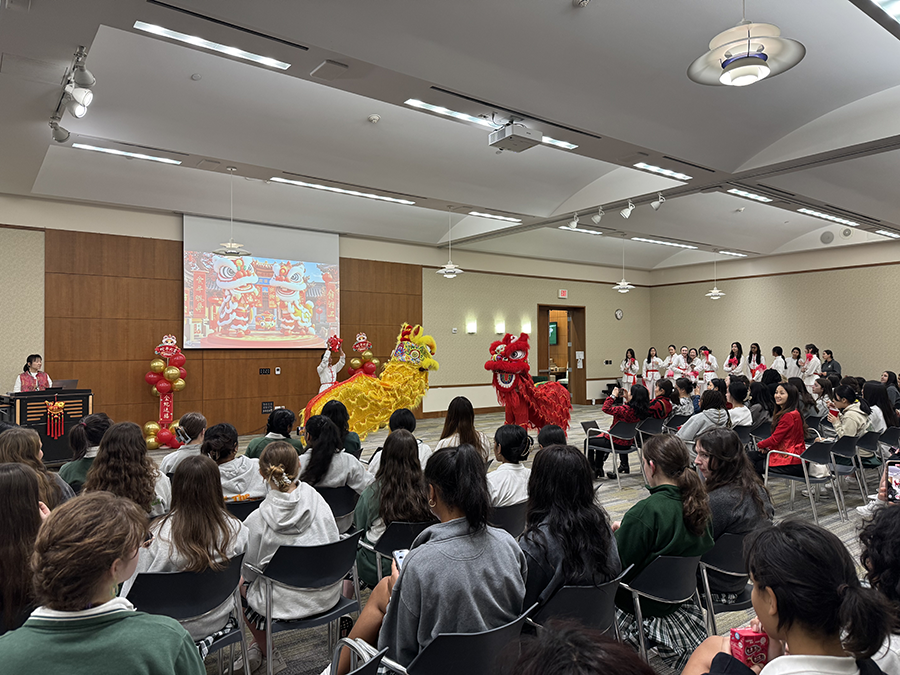



Lunar New Year, the start of a new year on lunisolar calendars, falls on Feb. 17 and goes through March 3. In accordance with the Chinese zodiac cycle, 2026 is also referred to as the “Year of the Horse.” Though commonly labeled “Chinese New Year,” the holiday serves as an important time of celebration and connection for many across the wider Asian diaspora.
Tet Nguyên Dán (Vietnamese Lunar New Year)
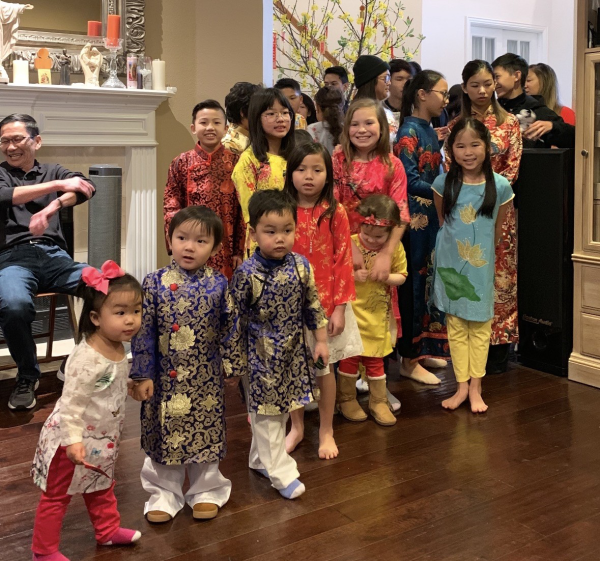
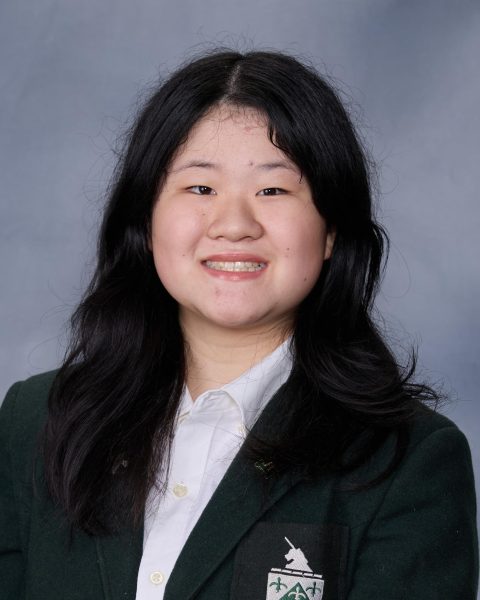
Sophomore Ellie Tran celebrates Lunar New Year with her paternal and maternal families, splitting her time between both.
“All my cousins and aunts and uncles come to visit, and we have a gathering at my [paternal] grandparents’ [house], where we dress up,” Tran said. “On my mom’s side, it’s less formal, and we go to our local church, but we still receive red envelopes of cash from the adults.”
Tran often plays games with family and friends during the celebration.
“We’ll play Bu cua cá cp, which is a gambling dice game that literally translates to ‘gourd crab’ in English,” Tran said. “It’s really simple, and it’s my brother’s favorite game.”
Throughout the get-togethers, Tran and her family cooks and eats traditional Vietnamese dishes.
“There’s this really popular rice and meat wrap dish, bánh chung, that my family makes together during the new year,” Tran said. “Food really brings us together.”
Despite regional differences in Lunar New Year traditions, Tran believes the core value of community is constant.
“It is mainly just a time of us coming together,” Tran said. “I like the money from the red envelopes. but I love reuniting with my extended family and having really good food together even more.”
Chunjié (Chinese Lunar New Year/Spring Festival)
For sophomore Connie Zhao, food and family are highlights of the holiday.
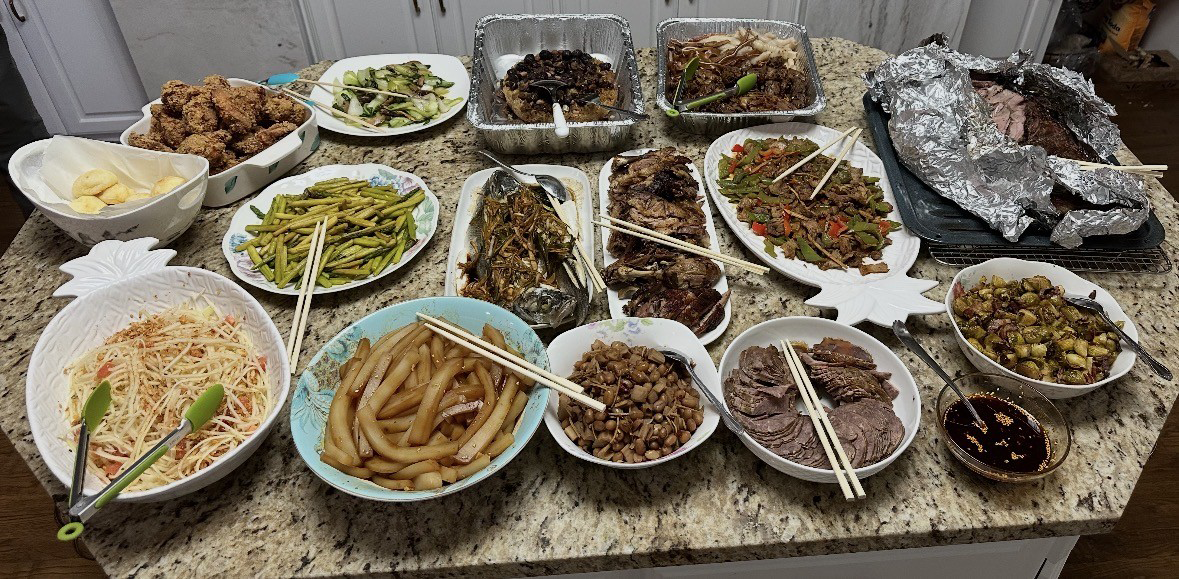
“My family makes and eats a bunch of traditional Chinese dishes together, like dumplings and tangyuán,” Zhao said. “My favorite is the nián gao, a sticky rice cake.”
Some dishes are eaten specifically on this holiday.
“There’s a whole steamed white fish with various garnishes like soy sauce and garlic,” Zhao said. “We also have hand-pulled noodles with peanuts and mandarin oranges after.”
Zhao and her family also decorates their house in the weeks leading up.
“We’ll put all the traditional Chinese signs and banners up,” Zhao said. “There’s a lot of red and gold, which are lucky colors.”
Though her extended family lives abroad, Zhao and her parents still communicate with her grandparents and aunts and uncles during the holiday.
“Whenever time allows, we’ll video call them and exchange the traditional greetings and ‘gongx? facái,’ which is a traditional wish of prosperity,’” Zhao said. “They host a huge celebration in China.”
Zhao feels that the celebration connects her to her heritage.
“Every year, this celebration helps me learn new things about Chinese traditions, since all the different foods represent different things in Chinese culture,” Zhao said.
Seollal (Korean Lunar New Year)
Sophomore Sophia Lee has spent her whole life celebrating with her grandparents and extended family.
“Some of my extended family travels here from Los Angeles to celebrate, though some stay in Korea,” Lee said. “When I was younger, we’d wear traditional hanbok outfits and more of my family would come, but nowadays, it’s more casual.”
Like Tran and Zhao, food is central to Lee’s new year experience.
“My grandma will make really good dumplings, galbi and gochujang, which she really only does once a year,” Lee said. “It’s super delicious and definitely one of my favorite parts of it.”
Lee also participates in the traditional red envelope exchange.
“My three cousins and I will bow and say ‘saehae bok mani badeuseyo,’ which is ‘Happy New Year’ in Korean,” Lee said. “Then we receive the red envelopes with money from our grandparents and spend the rest of the day hanging out.”
Lee views Lunar New Year as a time of family fun and cultural immersion.
“I’m half-Korean, so Lunar New Year is a big way to connect with my Korean heritage more and bond with my extended family,” Lee said. “It’s one of my favorite holidays that I get to celebrate, and I look forward to it every year.”