















In Dallas, food insecurity and food deserts are pressing issues that affect a wide range of citizens. For Laura Day, Director of Innovation and Collaboration, and Melanie Robinson, Director of The Institute for Social Impact, these challenges are something they confront daily in their work with students and local communities.
“A food desert is a community or area that lacks access or easy access to food,” Robinson said.
Although definitions vary, food deserts are generally defined as areas where fresh food is unavailable within three miles. Many other factors, such as environment, development and transportation, influence where grocery stores are built, who they serve and which neighborhoods are overlooked.
“Some of the factors that contribute are intentional,” Day said. “Some are consequential.”
Robinson explains that as jobs and new housing developments move to different parts of the city, grocery stores follow, leaving behind communities that no longer fit the economic profile retailers want.
“In Dallas, especially as the city grew and changed, development left a lot of areas and followed where jobs went,” Robinson said. “So, communities that were vibrant and had access to groceries no longer do.”
Robinson also notes that there are many misconceptions about food deserts that distract from the heart of the problem.
“One of the biggest misconceptions is that people who are experiencing food insecurity are super impoverished or unhoused, when really they are working-class Americans,” Robinson said.
Robinson also shared how in Dallas, a household needs to earn around $90,000 to live comfortably. Many jobs fall short of this threshold, creating additional strain. More so, the high cost of healthy food further worsens food insecurity.
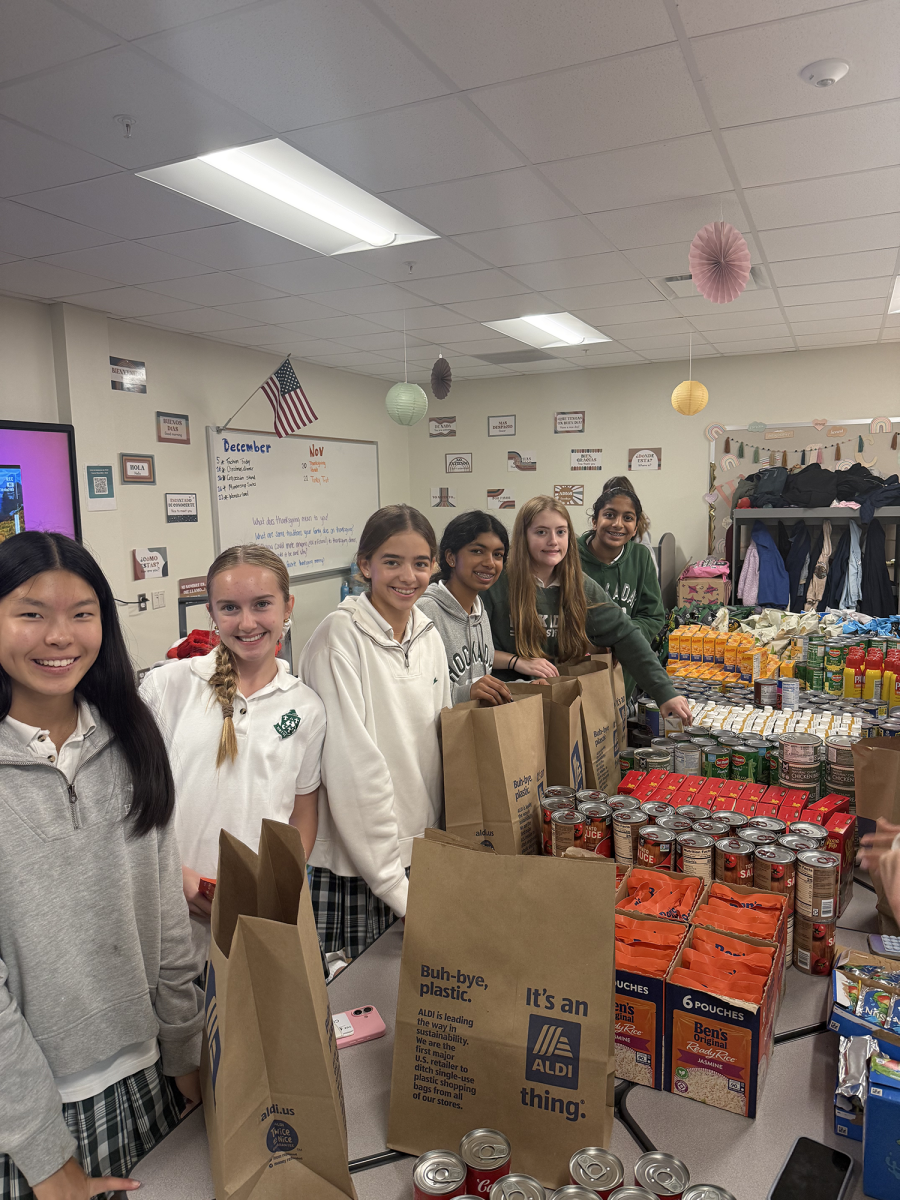
Encouraging others to get involved, Hockaday has founded many programs to help students and local communities experiencing food insecurity.
“The Fine Arts Board had been tutoring at Marcus Elementary and learned that the kids were facing food insecurity,” Day said. “They decided they were going to create Marcus Mart, a whole pantry that we would support.”
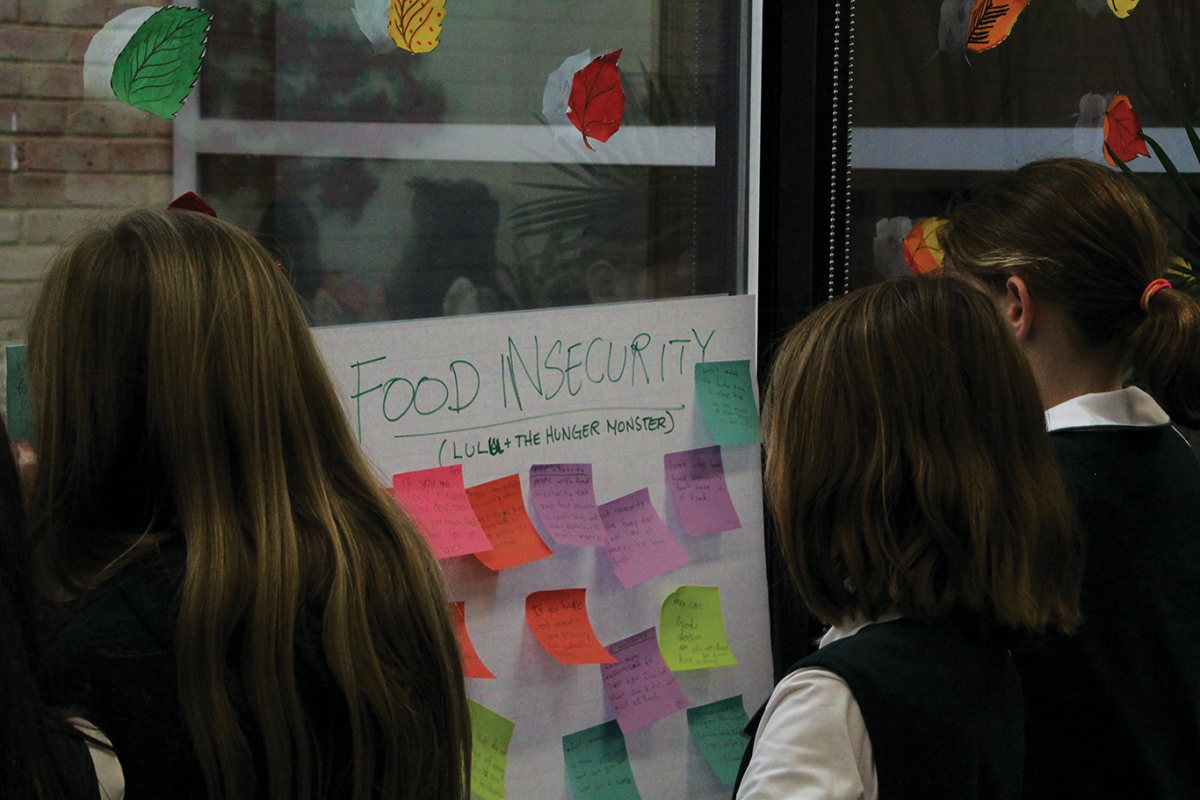
Food insecurity is also a recurring theme in social impact classes across grade levels, with Third-grade Lower School teacher Paloma Gomez and Lower School science teacher Amy Banks co-teaching one of the courses.
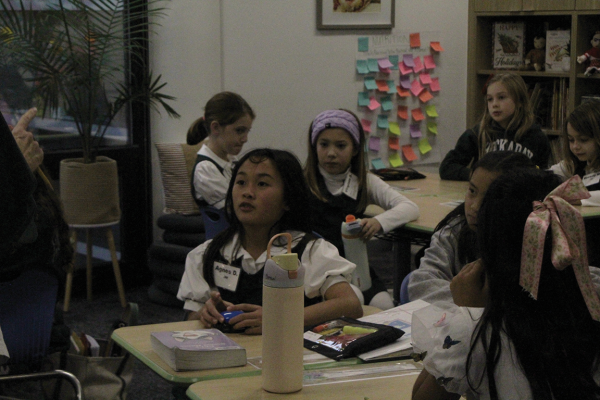
“In third grade, we have a theme,” Gomez said. “We discuss food insecurity and incorporate nutrition and what food deserts are.”
In order to introduce such a complex topic to young students, Gomez and Banks use a variety of strategies to maximize engagement and understanding.
“First, we read a story about children who are food insecure, and we have a lot of discussions,” Gomez said. “And we have different guests come in and talk.”
Gomez also helps organize many of the hands-on experiences the students get during the class.
“We recently went on a field trip and talked about how Hockaday is involved in Joppy Momma’s Farm,” Gomez said.
Joppy Momma’s Farm is a community farm, located south of Dallas, and a garden that provides affordable, healthy food options to underserved communities. Implementing Hockaday’s values, Gomez tries to empower her students through community service activities like this.

“Our school emphasizes a lot of empathy,” Gomez said. “And I think that’s why, even at a young age, our third graders can understand that food is a necessity and is something we all need and deserve.”
At the end of the semester, students apply what they’ve learned through a project, working in small groups to design possible solutions to food insecurity. Past projects have included community gardens, drone delivery systems, wellness centers and redesigned supermarkets.
“This year, Ms. Robinson will come in and teach the girls how to create meaningful projects,” Gomez said. “The girls pivot from the design aspect to actually executing and building it.”
Both Gomez and Banks hope that students carry these lessons well beyond third grade. They believe that this early foundation shapes students as they further their education.
“What I love about Hockaday is that from a young age, you learn about being active in the community,” Gomez said.
Above all, Gomez and Banks are delighted to teach their students and see them begin to participate in social impact.
“I am tremendously proud of seeing all the girls work together,” Gomez said. “And seeing their minds filled with curiosity and hearing the intellectual conversations they have about the subject.”