


























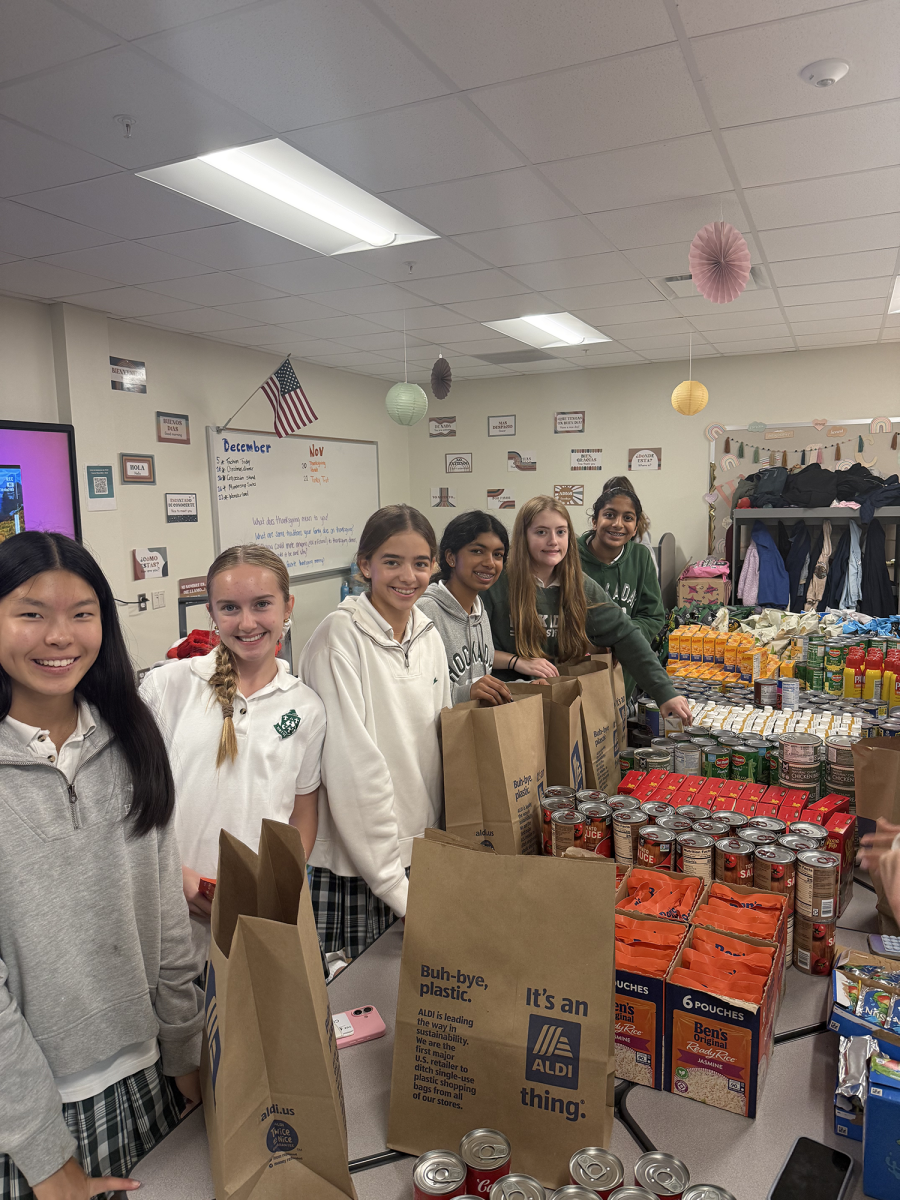




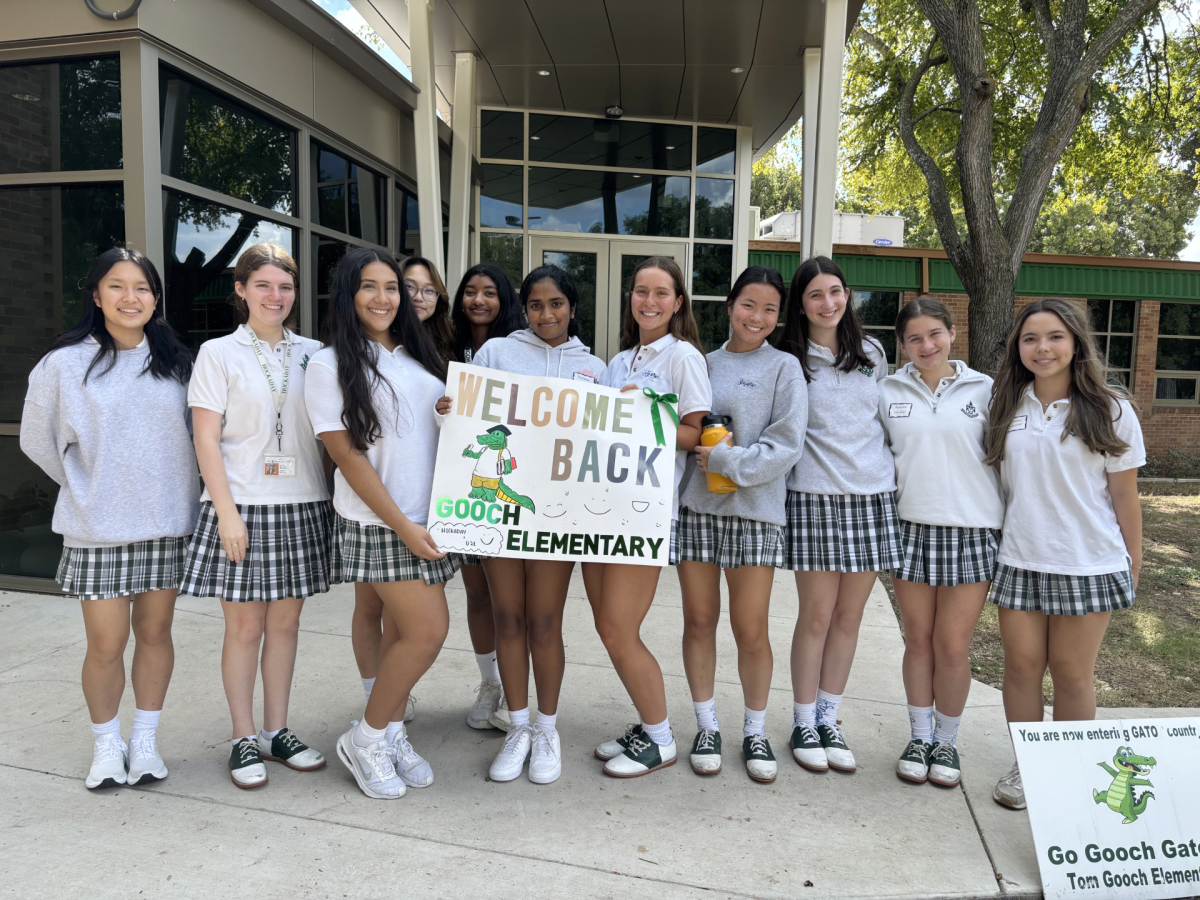
Twice during the seven-day rotation, students flood the Upper School Attendance Office, scanning badges and signing out, each selecting Social Impact as their reason for leaving campus. Each has committed to tutoring, coaching, conducting science experiments, mentoring and more as part of a recurring social impact program. This year, over 200 Hockaday US students participate in a social impact program.
Recently, due to reported attendance issues of students not attending recurring programs because of conflicts with club meetings, recurring programs are now permitted to attend once per rotation, communicated to students in an email on Dec. 9, 2025. Although I agree that there is a problem with the Social Impact program attendance, cutting the recurring program days is not the solution.
First, not all recurring programs are experiencing this problem. I co-lead a tutoring group at Gooch Elementary nearby, and we’ve continued to successfully tutor despite conflicts with sports games, tests and other unavoidable commitments. Many other recurring programs also don’t struggle with attendance yet also face the new limit on recurring program days. Why should we limit tutoring days for everyone instead of isolating and addressing specific problems? If one club consistently has meetings on recurring program days, or one program constantly has low attendance, then we should handle those problems individually.
Consolidating some of the social impact programs could be a viable solution for groups with consistently poor attendance. This would mean more members per program, which leads to more flexible scheduling for members. However, this is not the only solution; it is time for students to seriously examine their commitment levels.
I am not saying to choose between joining a club and social impact program, but we cannot do it all. We need to move away from the mindset that we must join every activity possible to be successful, and must slow down to realize that this is not sustainable. It’s impossible, when we’re balancing so many things, to give our full effort to each one, and it’s often better to pick a few things to prioritize and give them our time and energy.
Recurring programs are usually flexible, and often only require each member to go once per rotation. Many groups allow their members to specify their preferred day at the beginning of the year. The programs ask students to commit to attending their program once per rotation, which is once a week at most. If this time commitment, which doesn’t significantly infringe on one’s schedule, is impossible to fulfill, then the problem is not with the recurring program and club schedule, it’s with following through on your commitments and time management.
It’s important to remember that participation in recurring programs is completely optional. If students prefer to dedicate their time to clubs, then they can easily do that, and they also have the opportunity to participate in recurring programs instead.
Additionally, the seven-day rotating schedule, while it works for Hockaday, is very difficult to communicate to schools we collaborate with for recurring programs, as many use a traditional weekly schedule. While Day 2 and 4 make sense to us, going one to two days per week on random days isn’t consistent at all. Changing our availability mid-year for social impact programs to only Day 4 adds more confusion to an already random schedule. Consistency in the schedule not only matters to us, but also for the people and kids we work with at these recurring programs.
This year, the schedule was changed to increase recurring program time, which, in my experience, was a really helpful change, increasing the time we are able to spend on the campuses. Why have we stopped prioritizing recurring programs now when we seemed to focus on them at the beginning of this year?
I love tutoring in my recurring program, and I know that many students feel the same about theirs and are upset about the loss of recurring program days. To me, the true problem isn’t attendance, it’s overcommitment. Limiting the social impact program days not only takes away time we spend at recurring programs, but also takes away a valuable opportunity from students: the opportunity to learn what priorities you value and how to follow through on your commitments.