
















The History Behind Martin Luther King Jr. Day
Martin Luther King Jr. (MLK) Day celebrates the life of the civil rights leader whose work reshaped America. Known for his marches, speeches and organizing, King fought segregation and pushed for equality through nonviolent action. The holiday became official in 1983 and has been observed nationwide since 1986. At Hockaday, the day is recognized as a chance for students and faculty to reflect on his legacy and consider how his values connect to life on campus.
“It’s important for students to remember that MLK day isn’t just a day but rather a movement,” Adaku Ebeniro, Director of Upper School Admissions, said. “Students should know what he advocated for and that they can continue his legacy here at Hockaday by standing up for justice and equality in their daily lives.”
Beyond Hockaday, the holiday serves as a reminder of the ongoing fight for civil rights and the ways King’s words and actions resonate today.
“His legacy is ingrained in everything I do,” Vice President of Black Student Union Gabby Carter’26 said. “Martin Luther King Jr. inspires me because he showed that even when barriers exist, community and collective power can create real change.”
Martin Luther King Jr. Day at Hockaday
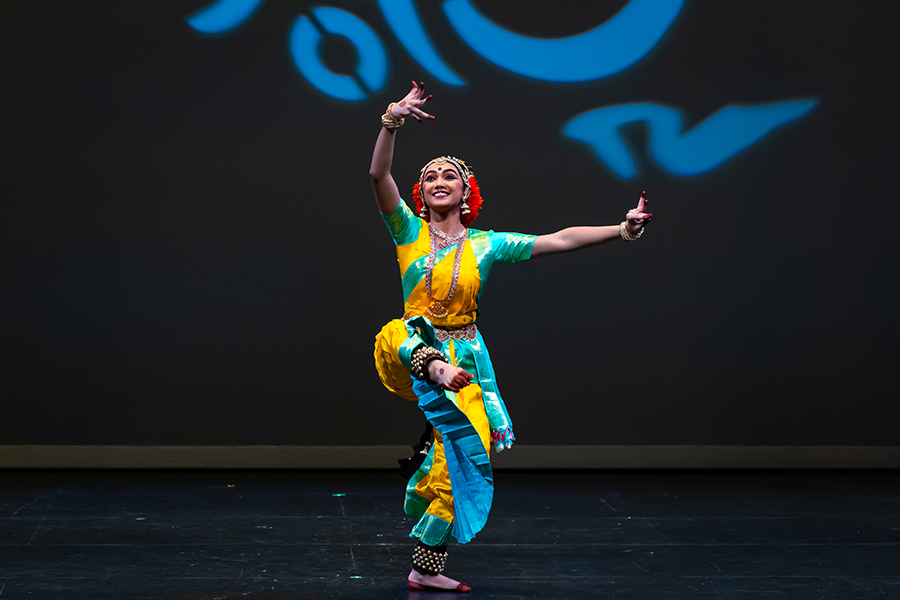
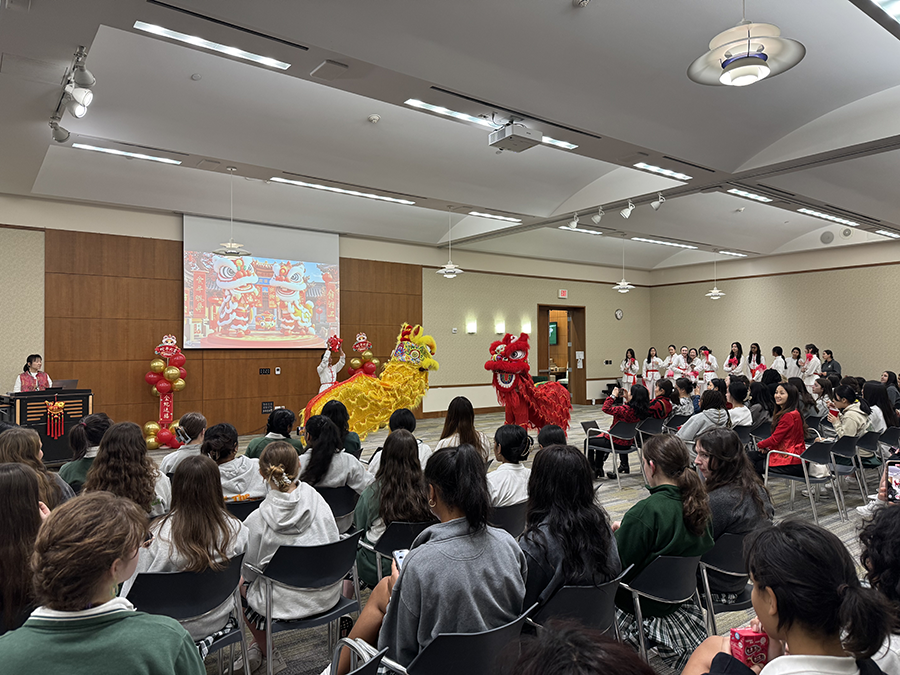
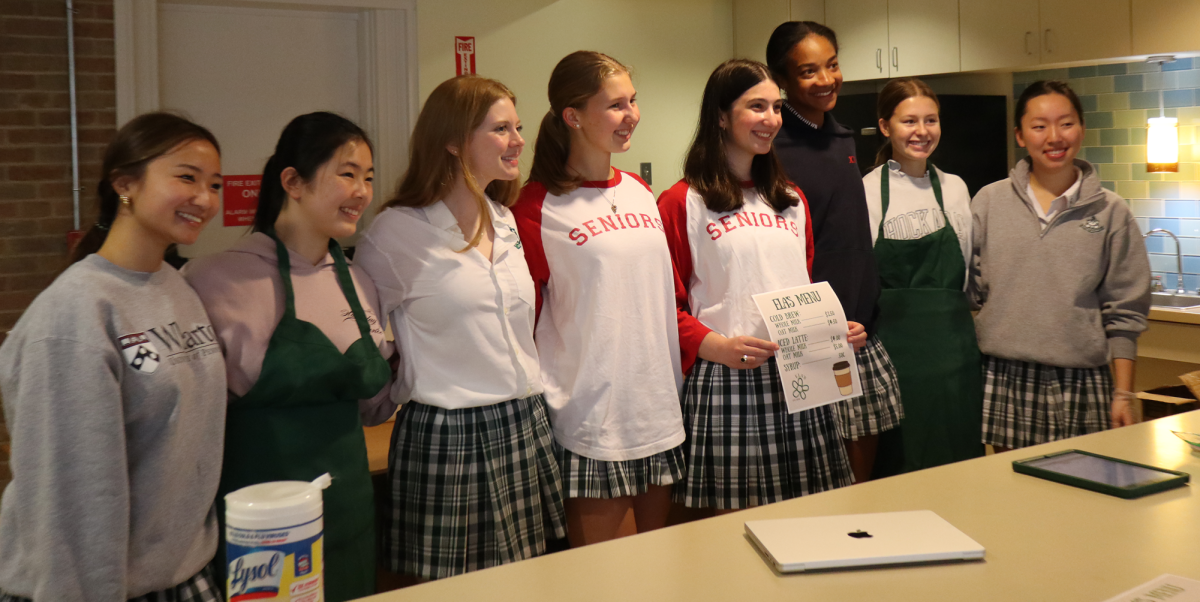
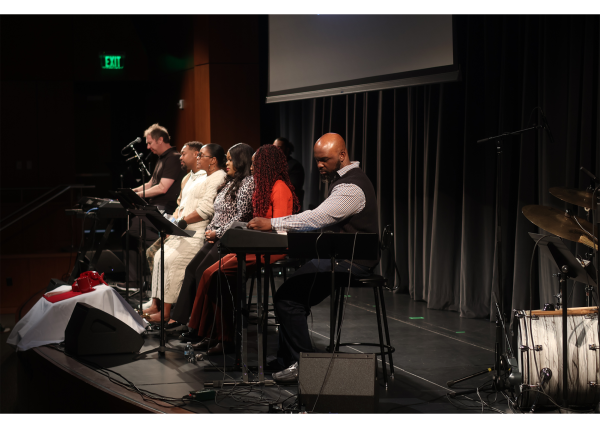
This year’s Martin Luther King Jr. Day celebration on campus looked a little different from past celebrations. Instead of focusing mainly on a single keynote speaker, students took part in interactive student and faculty-led sessions across campus. Every workshop was designed to teach students about a different aspect of culture or identity.
Seven Upper School students worked with Dr. Tracey Tevis, director of Diversity, Equity and Inclusion, to organize the sessions. The group selected the workshops to give participants opportunities to explore different cultures, try new activities and experience aspects of cultures they may not have encountered before.
Students attended two workshops, with planners coordinating schedules to ensure access across grade levels and interests. Senior Nadia Guevara, a member of the student planning group, said the sessions gave students a chance to share parts of their identity that do not always come up in class.
“People were really excited to host workshops and talk about parts of themselves that usually aren’t part of everyday conversation,” Guevara said. “It was great to see students learning from each other and trying new things in a hands-on way.”
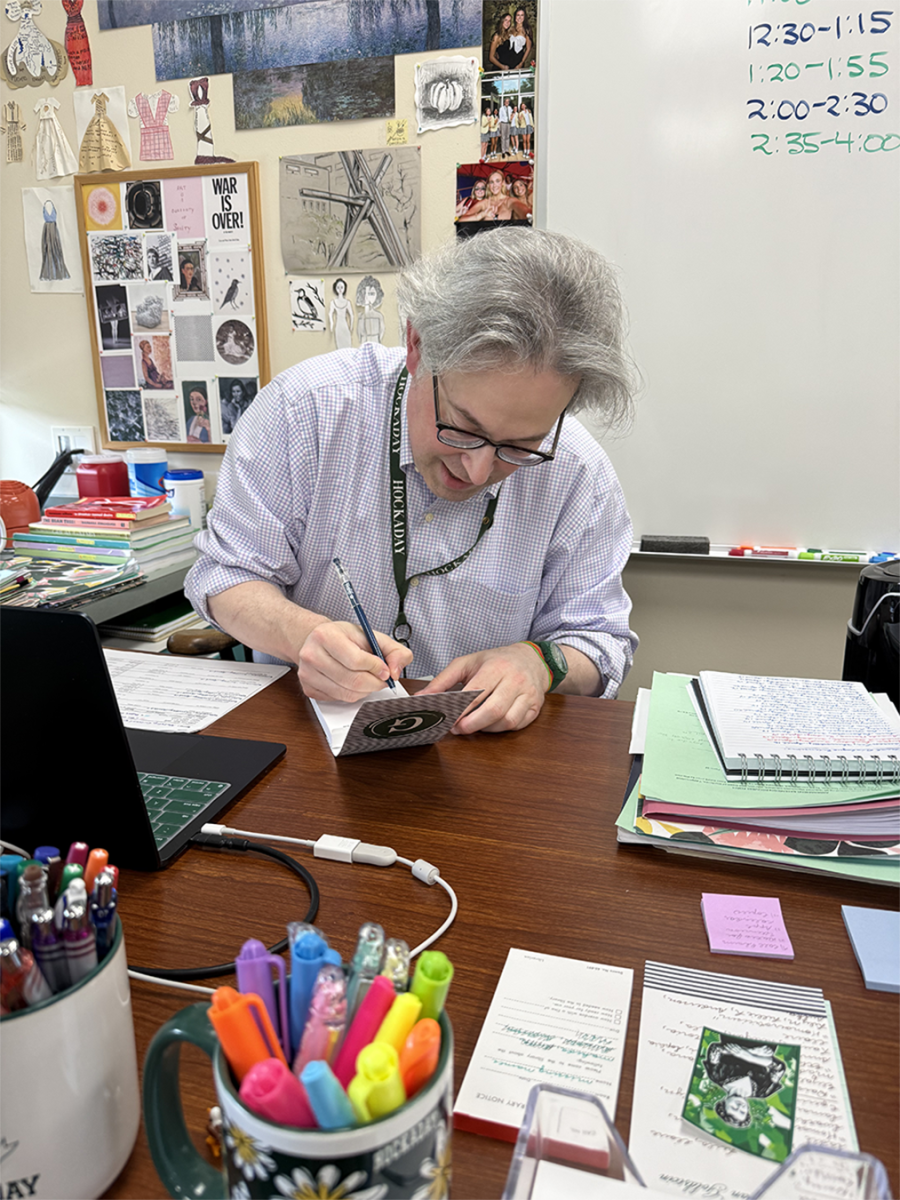
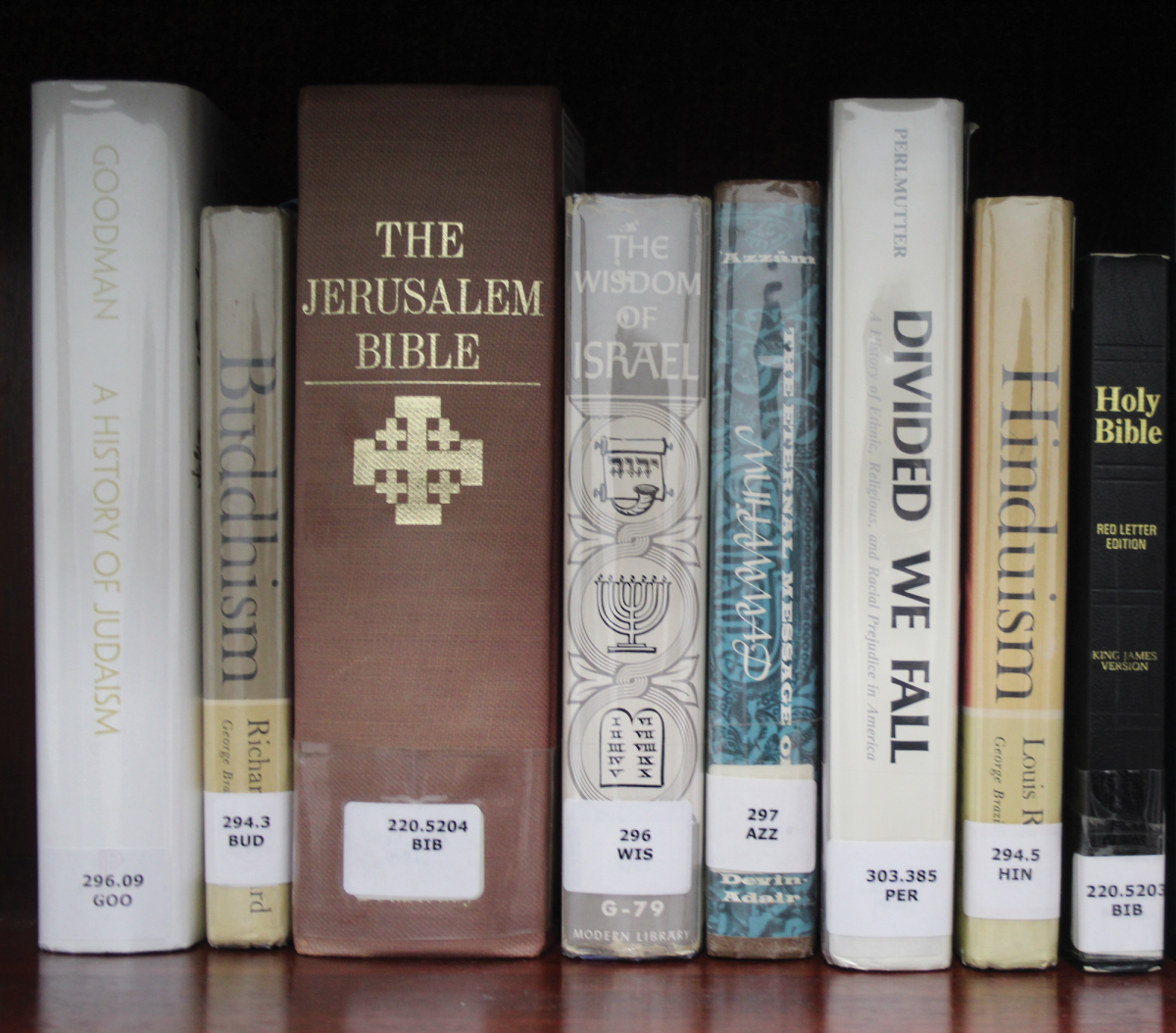
Upper School English teacher Sarah Blanton led a session titled Cultural Appreciation vs. Appropriation in Yoga.
“It’s looking at educating people on the history of yoga, what yoga really is and what it’s not,” Blanton said.
Blanton explained that yoga is often misunderstood.
“A lot of people think yoga is just a workout,” Blanton said. “Asana practice, or the physical poses, is only one part. Yoga is actually a philosophy and a lifestyle.”
Blanton said her session was designed to be both interactive and reflective. Students tried poses while learning about the origins of the practice and some of the myths associated with the poses.
“This helps students see that yoga is more than just the physical component,” Blanton said. “It’s about the ideas behind it and how to practice it respectfully.”
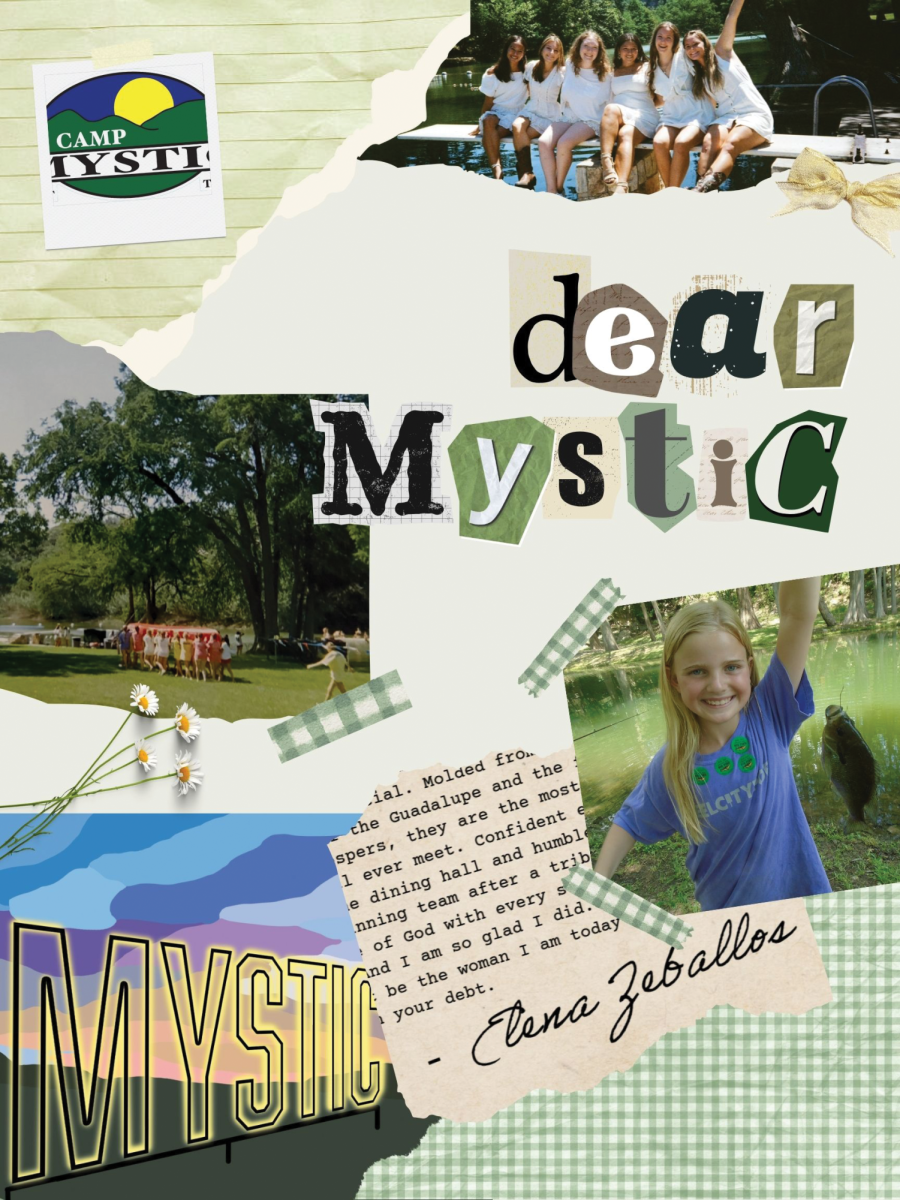
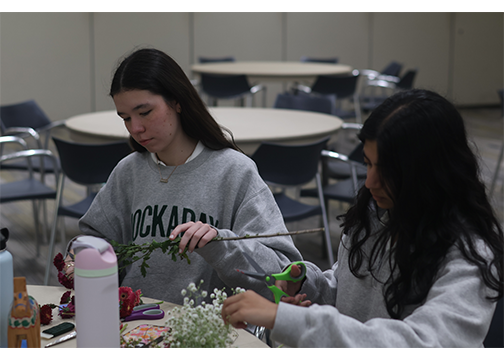
Other sessions focused on cultural traditions in hands-on ways. Sophomores Arden Buckner and Amelie Fisher hosted Around the Maypole: Flower Crowns and Swedish Midsommar Traditions, where students created flower crowns while learning about Swedish Midsommar music, songs and traditional dances.
Buckner said she chose the topic because of her background and family ties to Sweden.
“We read the prompt and it was about culture, and I know a lot about Swedish culture because I go to a Swedish camp in the summer and my family is Swedish,” Buckner said.

Preparing for the session involved hands-on practice and research. Buckner said that she and Fisher practiced making crowns and the dances ahead of time in advisory together.
“We practiced dances together, got a bunch of flowers and practiced making little bouquets and putting them into a crown for a few weeks before the day,” Buckner said. “Normally I don’t work with wire, but we’ll be using it to attach the flowers in the session.”
In addition to the workshops, students took part in One Hockaday, activities that paired different grade levels like eighth graders with first graders or ninth graders with third graders. The goal was to give students a chance to connect with students they don’t normally interact with, building friendships and teamwork across the entire school.
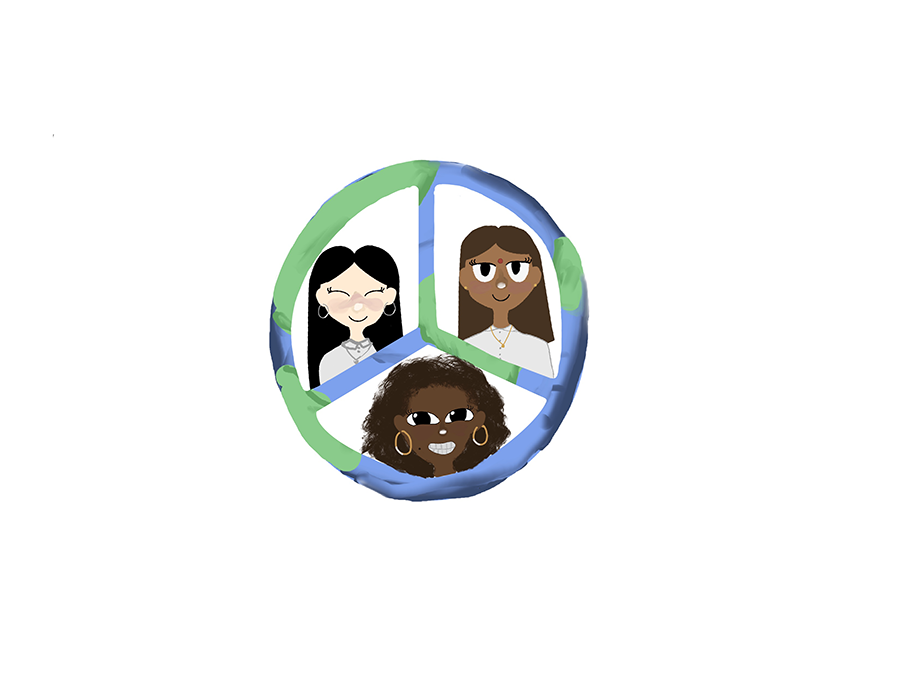
Guevara said creating space for students to share their cultures helps strengthen understanding and connection within the community.
“Culture is such a big part of many people’s identity, but it can get pushed to the background in a busy, academic environment,” Guevara said. “Teaching and sharing different cultures exposes people to new perspectives and helps us stay open-minded. Taking the time to learn about each other creates connection and inspires unity in our community.”