

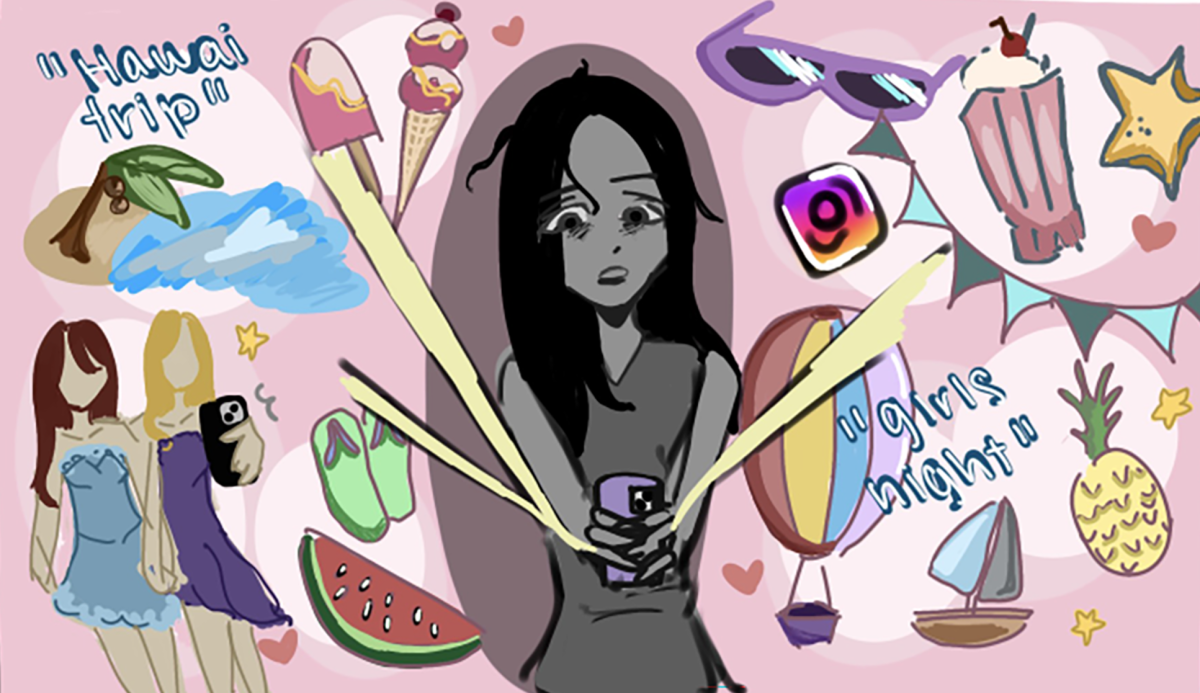
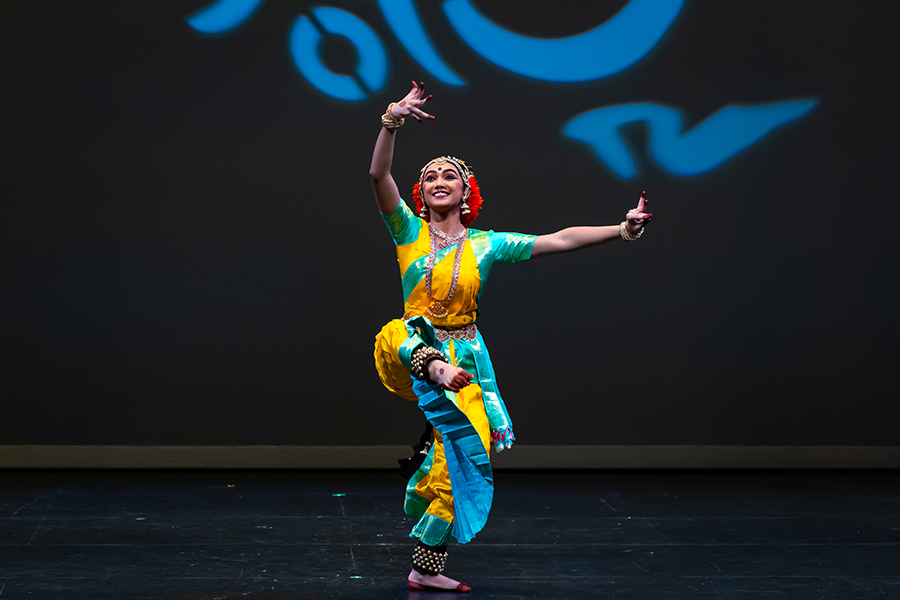
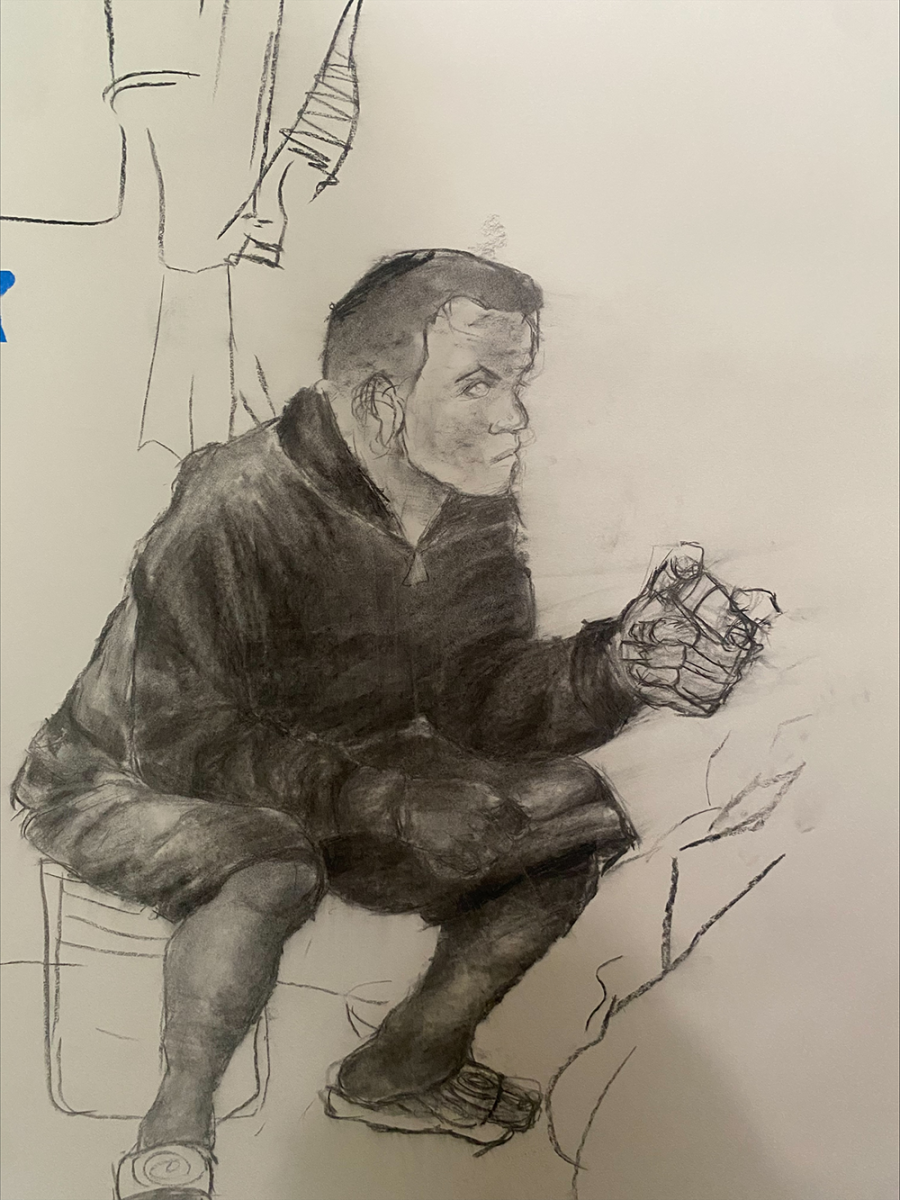
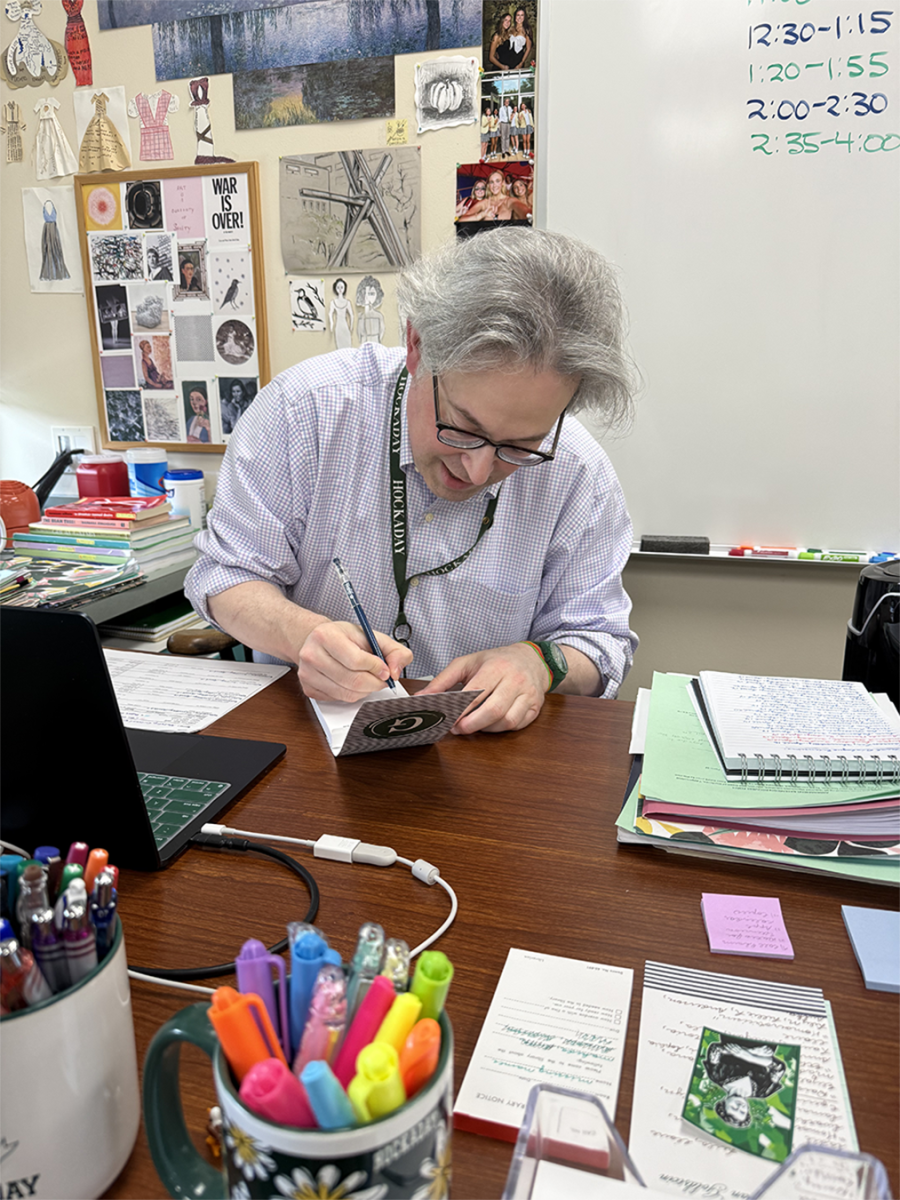







For more than 60 years, Vibrato’s purpose has stayed the same: to memorialize creative literary works and art by students in magazine form.
The earliest edition of Vibrato in Hockaday’s archive is from 1979. Throughout the years, the design has undergone many changes and lots of experimentation.
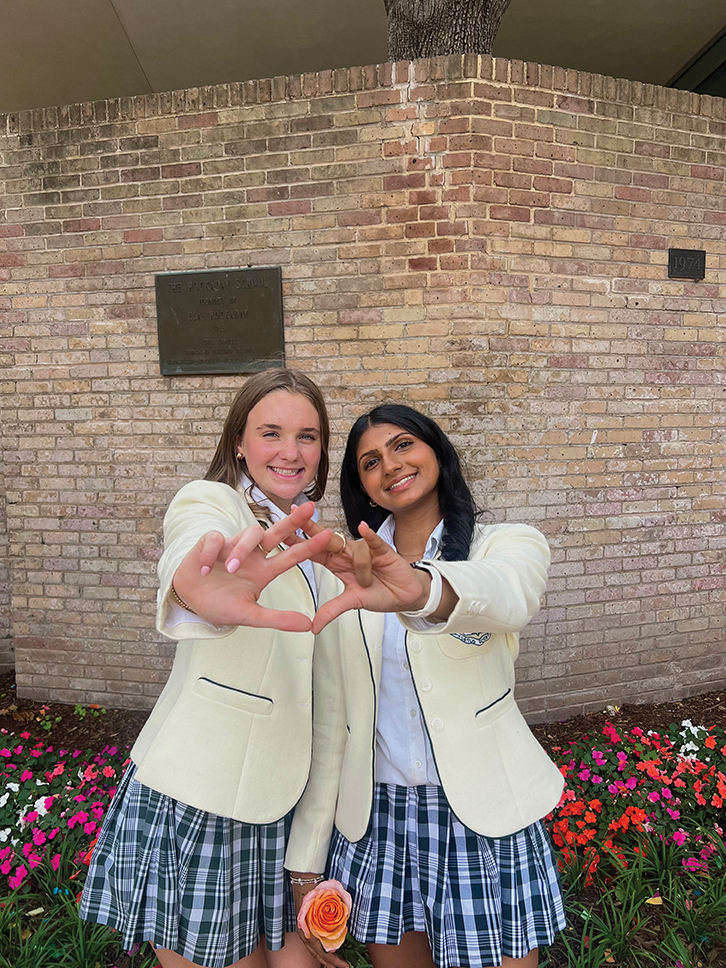
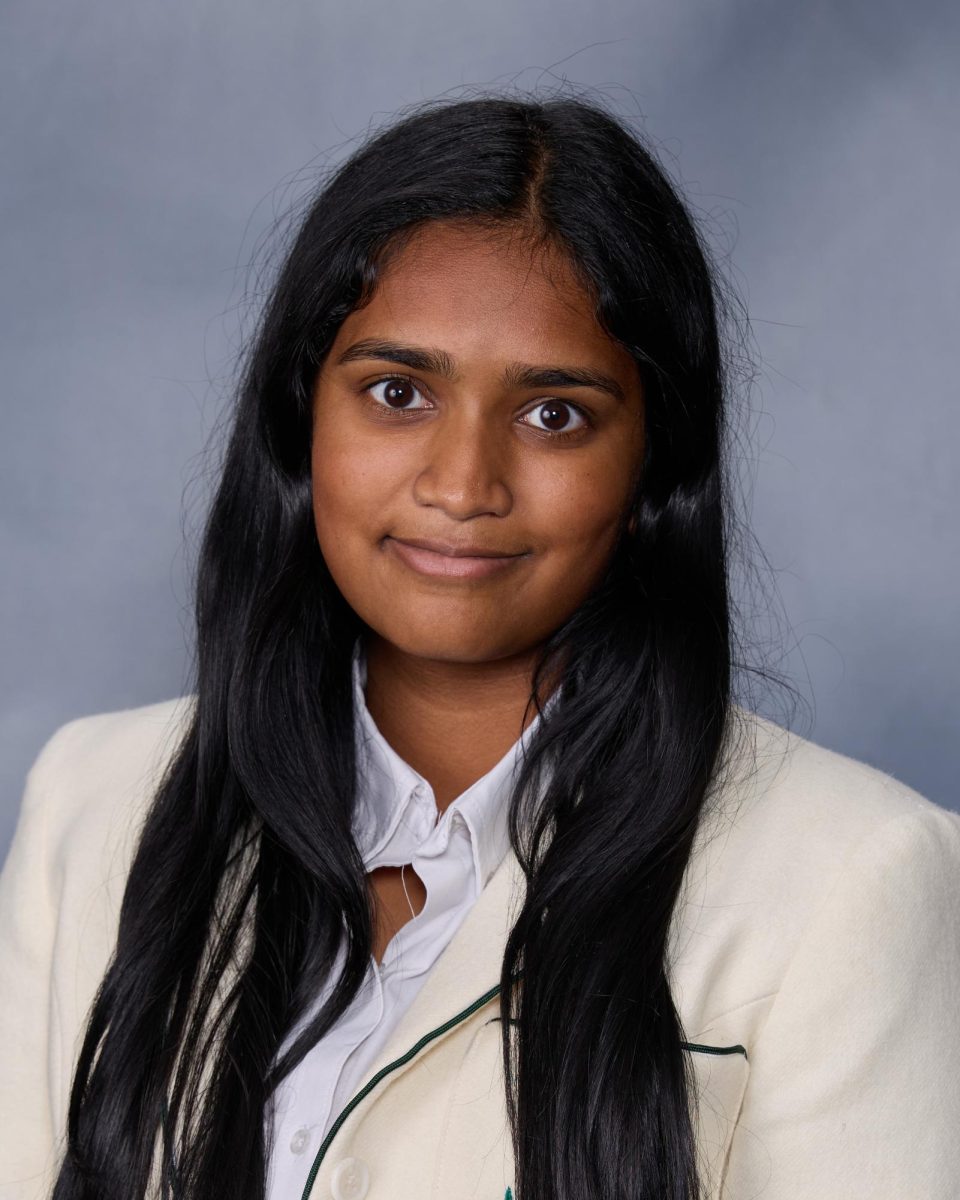
According to senior Sharika Mandyam, one of the four members of the Vibrato class, the earliest editions were in black and white and very simple in design. In later years, some editions included CDs and cassettes so students could listen to original music or works read aloud. In another year, the magazine was produced as tarot cards, and another came with 3D glasses that allowed readers to see different designs in the book.
Mandyam joined Vibrato during her sophomore year.
“A literary magazine is unique, as most schools don’t have one,” Mandyam said. “I also think it’s so incredible to experience the creativity of our students and classmates and be able to publish them.”
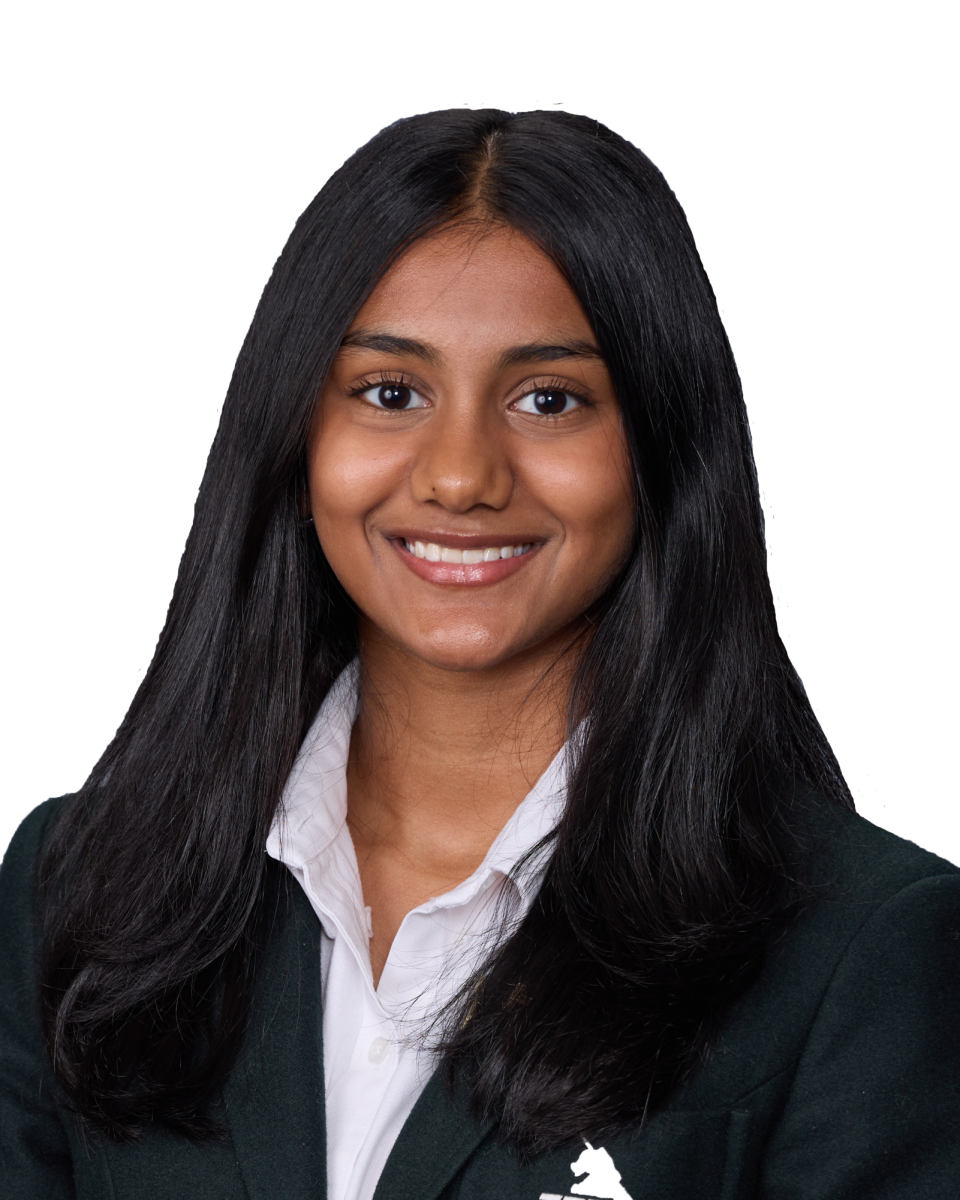
On the other side of the page, junior Saanvi Kumar has been submitting poetry to Vibrato since her freshman year.
“I submit to Vibrato because I love supporting the arts and literature,” Kumar said. “I feel inspired by seeing other people’s works, so I hope that others may also feel inspired by mine.”
Within the magazine, the students who work to showcase these works form a close community.
“[My favorite part of Vibrato] is the community,” Mandyam said. “Ever since I joined, Vibrato has always been a close-knit group, with us bringing food and hanging out outside of class.”
This year, the class is especially tight-knit—it consists only of four seniors, including Mandyam.
Because of this, next year, Vibrato will no longer be a class. There will be a new visual journalism class, which will be part of the Vibrato production process.

Vibrato strives constantly to make artists feel seen: beneath each vibrant page is months’ worth of work.
In a typical Vibrato cycle, the first step the class takes is deciding on a theme.
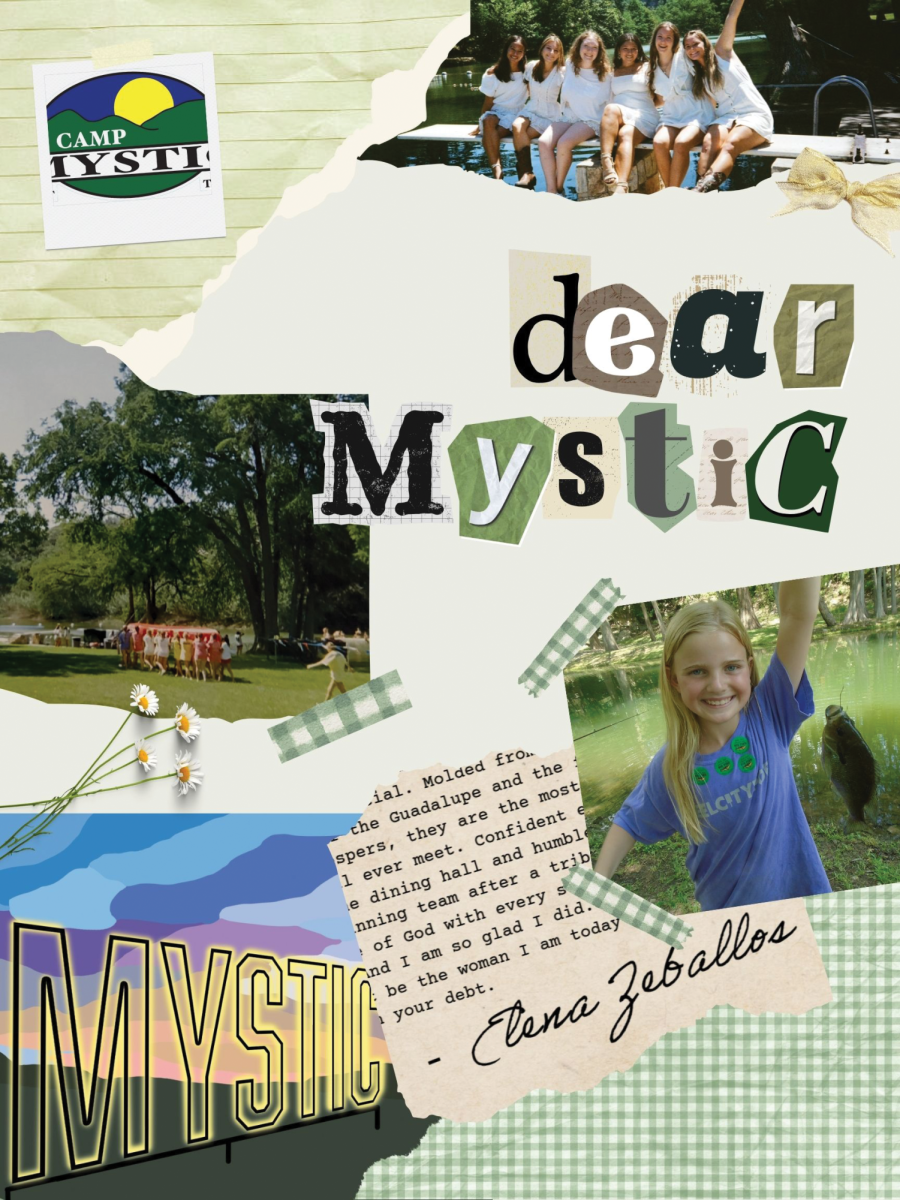
“This theme isn’t necessarily how we select which pieces to publish,” Mandyam said. “It guides us as we design the magazine and perhaps include special elements that reflect the theme, such as covers, dear readers and any accessories.”
The magazine opens for submission by student artists and writers. Submitted works are reviewed anonymously, and written and visual works are paired together.
“Just because a piece is not selected for the magazine does not mean it’s ‘bad,’” Mandyam said. “Pieces may be removed based on how they’d show up on the spread and pair with other works. Unfortunately, sometimes if we can’t pair a literature piece with an art or photography piece, we may need to remove one of the pieces.”
For students whose works are chosen, it can sometimes be nerve-wracking.
“It feels great when someone tells me they read my poems, but at the same time, these are really emotionally intimate glimpses into my mind, and it’s scary knowing that others can judge my work,” Kumar said. “At the end of the day though, I am comfortable with it because I choose to share it. “

After choosing which works to include, members of Vibrato design the magazine using Adobe Creative Cloud tools. Pages go through several rounds of editing to ensure everything looks good when printed. Vibrato staffers aim to finish the final drafts by mid-April in order to print and distribute the issue before senior graduation.
“I love the review and designing process,” Mandyam said. “It’s so cool to see what Hockaday students can create, and when we design spreads, we’re careful to add our own elements, such as cutouts or background colors, without overpowering the piece.”
That is the priority of Vibrato: to preserve the works of students and allow them to shine.
“I think everyone can benefit from the authenticity of Vibrato because it showcases the essence of human emotion and experience, something that can never be replaced,” Kumar said.
Over the years, Vibrato has captured the works of hundreds of students.
“I think Vibrato serves as a voice of student creativity,” Mandyam said. “Vibrato can’t exist without all the amazing students who submit, and I’m truly so grateful to everyone who has spent time submitting to our literary magazine.”