



















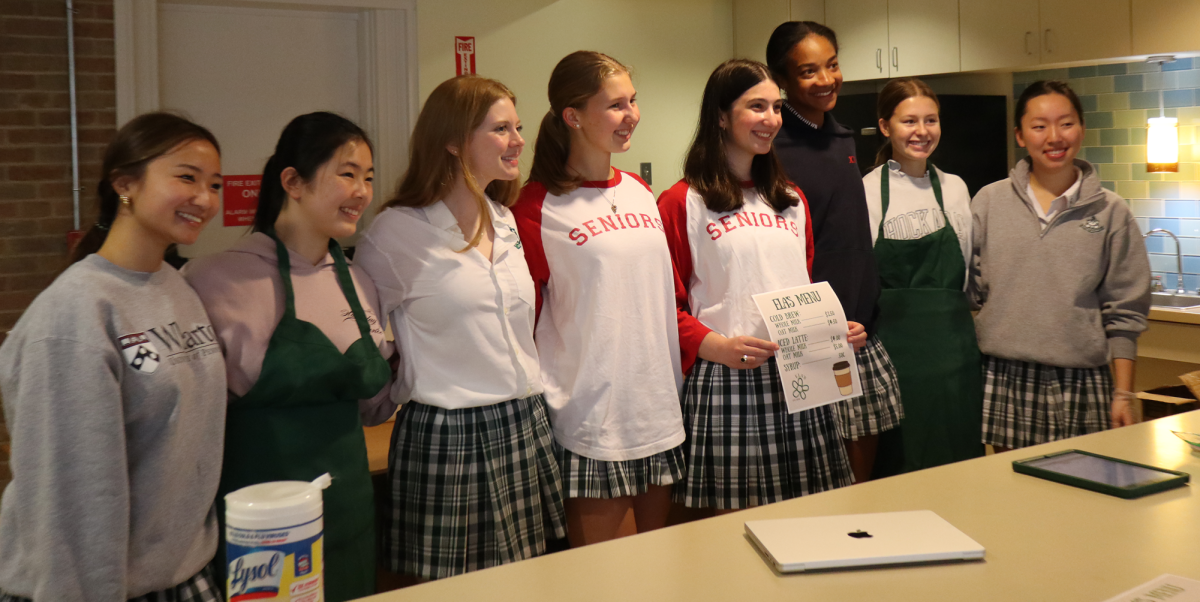


Everyone on campus knows The Fourcast. However, smaller student-run publications such as Emporio and Youth Stemline can often go under the radar. Nonetheless, from empowering podcasts to potent community impact opportunities, these hidden gems are redefining what it means to be young women of individuality.
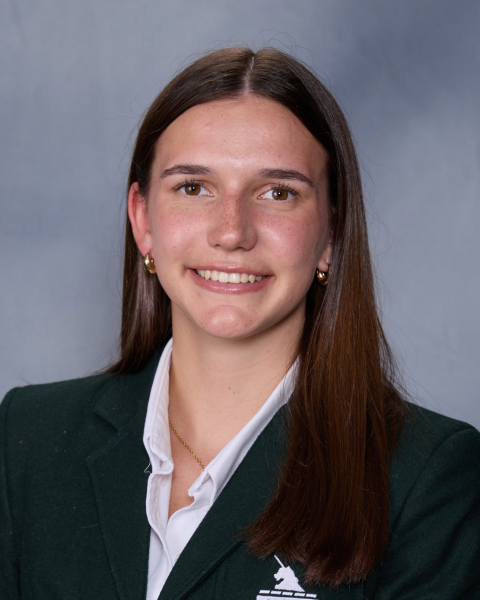
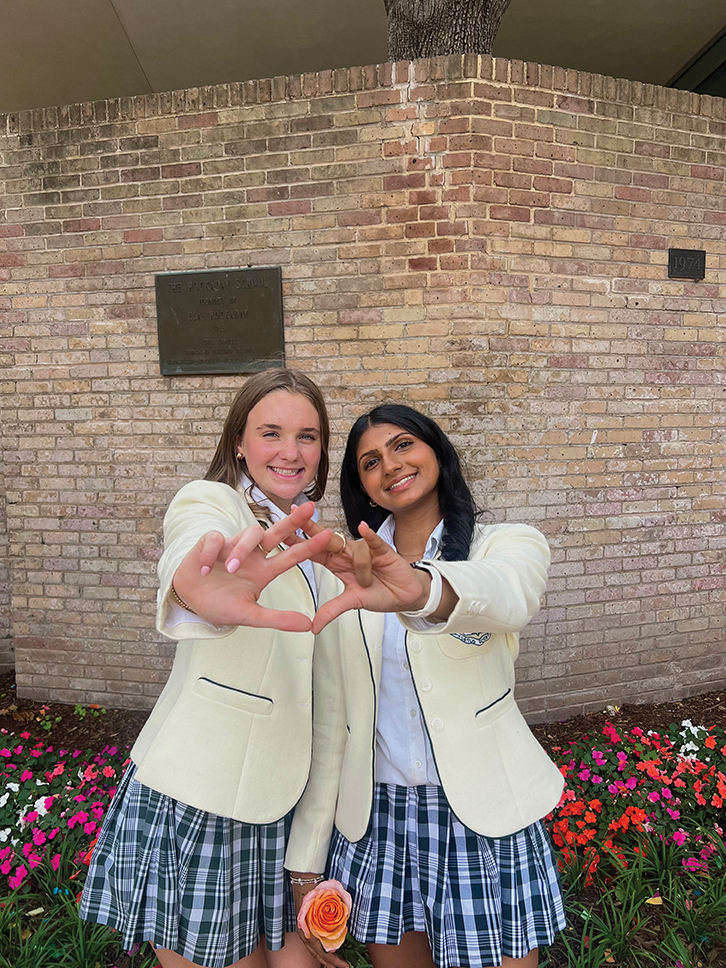
For Emporio Executive Editor Siena Ebert ‘27 her incentive for impact was molded around the relevance of business to the youth, diversifying outreach in order to sway targeted audiences towards the publication.
“Emporio is essentially a student-run organization started here at Hockaday by my sister (Celine Ebert ‘25). Over the years it’s evolved and expanded to include a biannual publication, a podcast, a video series, and programming,” Ebert said.
However, Ebert’s role as Editor-In Chief of Emporio was not about continuing a family tradition but evolving a platform that creates spaces for young women to dominate in a developing world of business.
“I remember when I was little, I would run slime and bath bomb companies, and I would always do it with my sister. My sister inspired me, and when she started this, I knew I immediately wanted to be part of the team,” Ebert said. “She taught me there’s so much more behind sending out emails, and connecting with schools, even though it takes a lot of time of your day, in the end, it’s going make a big difference for the little girls out there who are going to learn these skills, which will stick with them for the rest of their lives.”
At its heart, Emporio’s mission illustrates how small student-run publications are not only capable of making a major difference for students, but beyond borders, to the greater Dallas community.
“We’re all just like like-minded individuals,” Ebert said. “We have such a great passion for spreading financial literacy and awareness. We just really want to see each other succeed, the Hockaday community succeed, and those DISD schools in the broader Hockaday community succeed.”
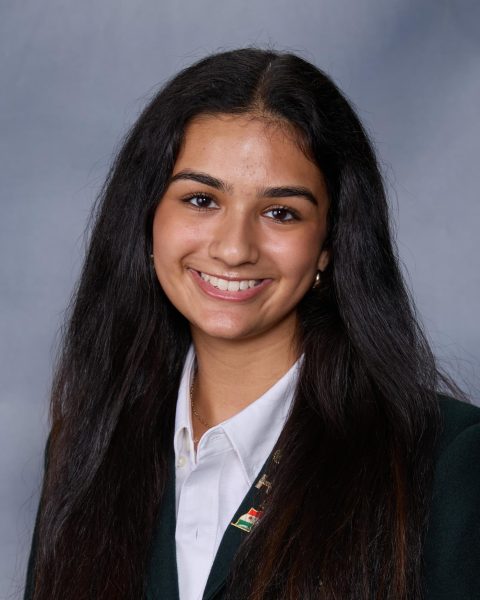
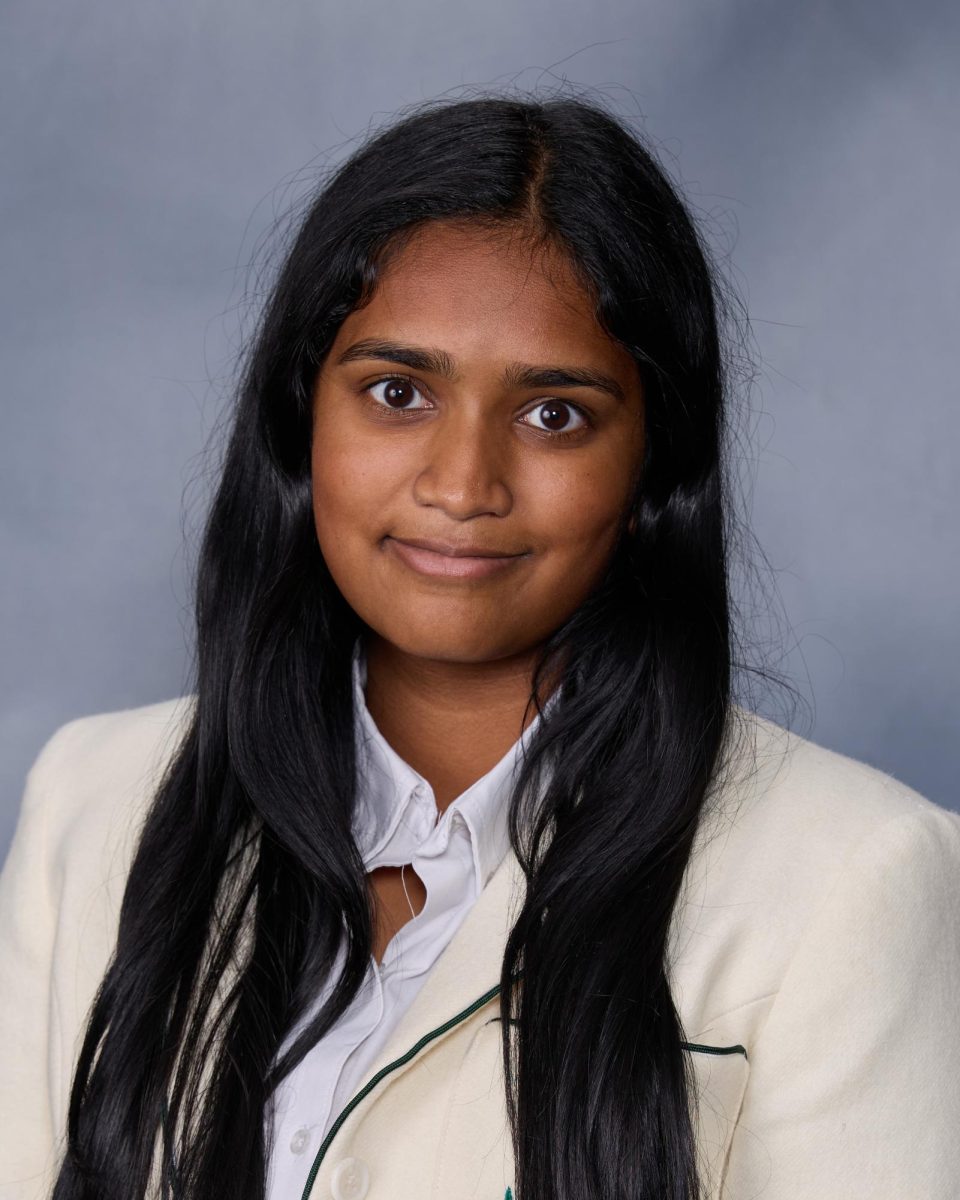
Reaching an audience variety has also been a top priority for Executive Editor Arvali Paliwal ‘28, and her publication Youth Stemline. In recent weeks, the budding publication is capitalizing on the potential to reach younger and broader audiences, with hooking non-traditional approaches.
Paliwal’s endeavors began when she came to a realization that fulfillment in her writing for a traditional publication group did not satisfy her interest.
“The publication was with a group of St. Mark’s guys, mainly focused on politics. There I realized, yes, I am interested in politics, but I don’t really know if I want to keep writing about that,” Paliwal said. “I’d rather write about things that I love, which is science and technology. When I could not really find an outlet to actually make that happen, I was like, why don’t I just create my own?”
Paliwal is learning to adapt her platform to a wide-ranged audience, attempting to garner the same interest of STEM, which she has so cherished herself.
“By confronting the time, we live in, where the reader’s attention is so short, you need to find ways to keep them hooked,” Paliwal said.
While Paliwal stated some of the topics and articles can be complex, Stemline emphasizes hooking the reader through creatively crafted titles and topic sectors.
“One of the recent articles that we published covered C. elegans, testing how they’re essential organisms to experiment scientifically titled, “Would you still love me if I was a worm?” Paliwal said. “Just by making the title like something super science-y and jargon, people are turned on from clicking on the article.”